
For OPEC members in the Middle East and North Africa (MENA), the strategic calculus around incentivizing consumers to adopt alternatives to their core products—particularly fossil fuels—carries profound implications for regional economic stability. The imperative to avoid eroding market dominance in energy markets must be balanced against the growing global shift toward sustainability and technological disruption. If OPEC nations were to implement policies that inadvertently encourage substitution—whether through subsidies for electric vehicles, renewable energy mandates, or price adjustments that weaken hydrocarbon competitiveness—they risk accelerating capital outflows from sovereign budgets. This would undermine efforts to invest in diversification initiatives, leaving countries increasingly reliant on volatile oil revenues rather than fostering resilient, multilateral economic frameworks. The_message here is stark: MENA’s sovereign capital must prioritize strategic retrofitting of hydrocarbon dependence over short-term market concessions that could hollow out state-controlled financial reserves.
The venture capital ecosystem in MENA is similarly positioned at a crossroads. While institutional capital has historically flowed into traditional energy infrastructure, a perceived erosion of fossil fuel market share could deter investor confidence in legacy sectors. Venture capitalists, both regional and international, are increasingly favoring growth markets in digital innovation, green technologies, and infrastructure modernization. If OPEC’s member states fail to align their policies with this global pivot—by not providing incentives that bridge hydrocarbon legacy with low-carbon alternatives—they risk ceding competitive advantage in attracting private-sector capital. This imbalance would constrain VC investment in homegrown startups, forcing MENA’s innovation economy to look increasingly outward, thereby diluting regional wealth creation and stifling homegrown technological sovereignty. The lesson is clear: maintaining capital inflows requires deliberate coupling of traditional strengths with future-forward incentives.
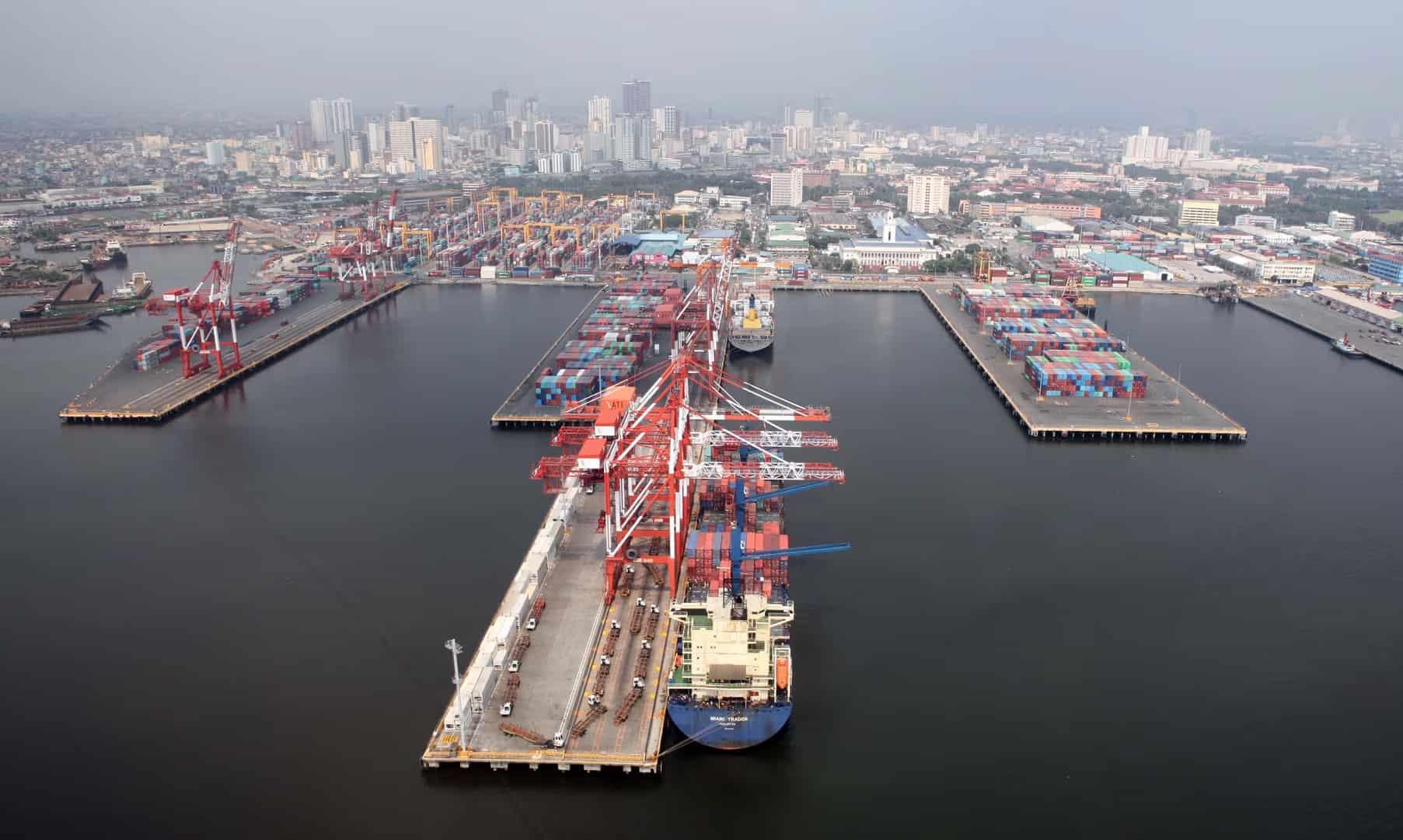
Regional infrastructure development—from logistics hubs to digital grids—must also account for these dynamics. Projects reliant on hydrocarbon investments, such as oil-linked ports or energy-intensive industrial zones, could face stranded asset risks if market conditions shift due to external incentives. Conversely, infrastructure modernization toward renewable energy or smart technologies demands upfront sovereign or private capital that many MENA governments are currently constrained by. This creates a paradox where underinvestment in future-ready infrastructure leads to long-term economic fragmentation, while aggressive incentives to preserve hydrocarbon markets may prove economically unsustainable. The regional response must therefore focus on structuring capital flows to support selective incentives that yield high leverage—such as co-investment models for renewable projects—while safeguarding sovereign reserves. The alternative risks entrenching a fractious region where immature infrastructure, sluggish VC engagement, and dwindling sovereign capital converge to undermine integration into global value chains.