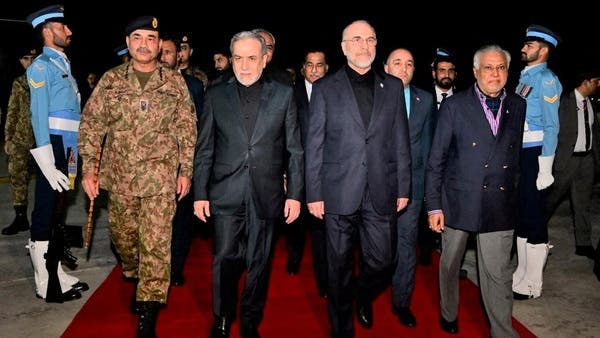

The recent developments across Iran and its diplomatic engagements underscore a critical juncture for the MENA region. Iran’s parliamentary leader, Mohammad Bagher Ghalibaf, articulated that his nation’s delegation presented forward-looking initiatives amid negotiations with Pakistan, yet the United States failed to secure the trust necessary for a fruitful resolution. This outcome not only highlights the fragility of bilateral relations but also reverberates through the broader financial and strategic calculations within the Middle East. The implications of this failure extend far beyond a single summit; they touch on sovereign capital flows, venture capital investments, and the ever-more pressing needs of regional infrastructure.
Sovereign capital continues to be a moving target for Western investors, particularly in light of recent geopolitical shifts reshaping the balance of power. Iran’s ability to maintain a predictable fiscal environment remains vital, as any breakdown reverberates through markets reliant on predictable returns. Meanwhile, the influx of capital into emerging markets will be scrutinized as both competitors and rivals seek to position themselves for long-term dominance. In this context, the challenges faced by the Middle East and North Africa are amplified, with infrastructure development taking precedence on timelines dictated by global investors.
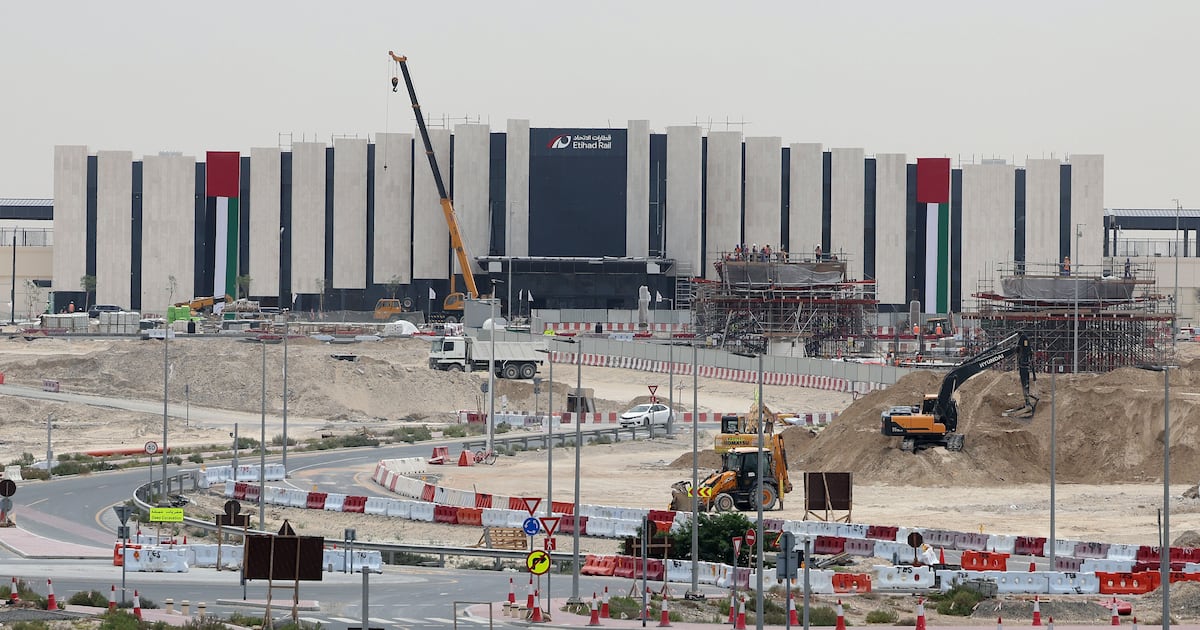
Furthermore, venture capital ecosystems across the region are responding by recalibrating their strategies, seeking opportunities within the evolving market landscape. Infrastructure projects—especially those backed by strategic sovereign partners—will remain priority investments unless a political or diplomatic resolution can prevent a cascade of misaligned interests. The interplay between regional diplomacy and financial strategy is now more interdependent than ever, defining the trajectory of economic growth and investment confidence in a region at a crossroads.