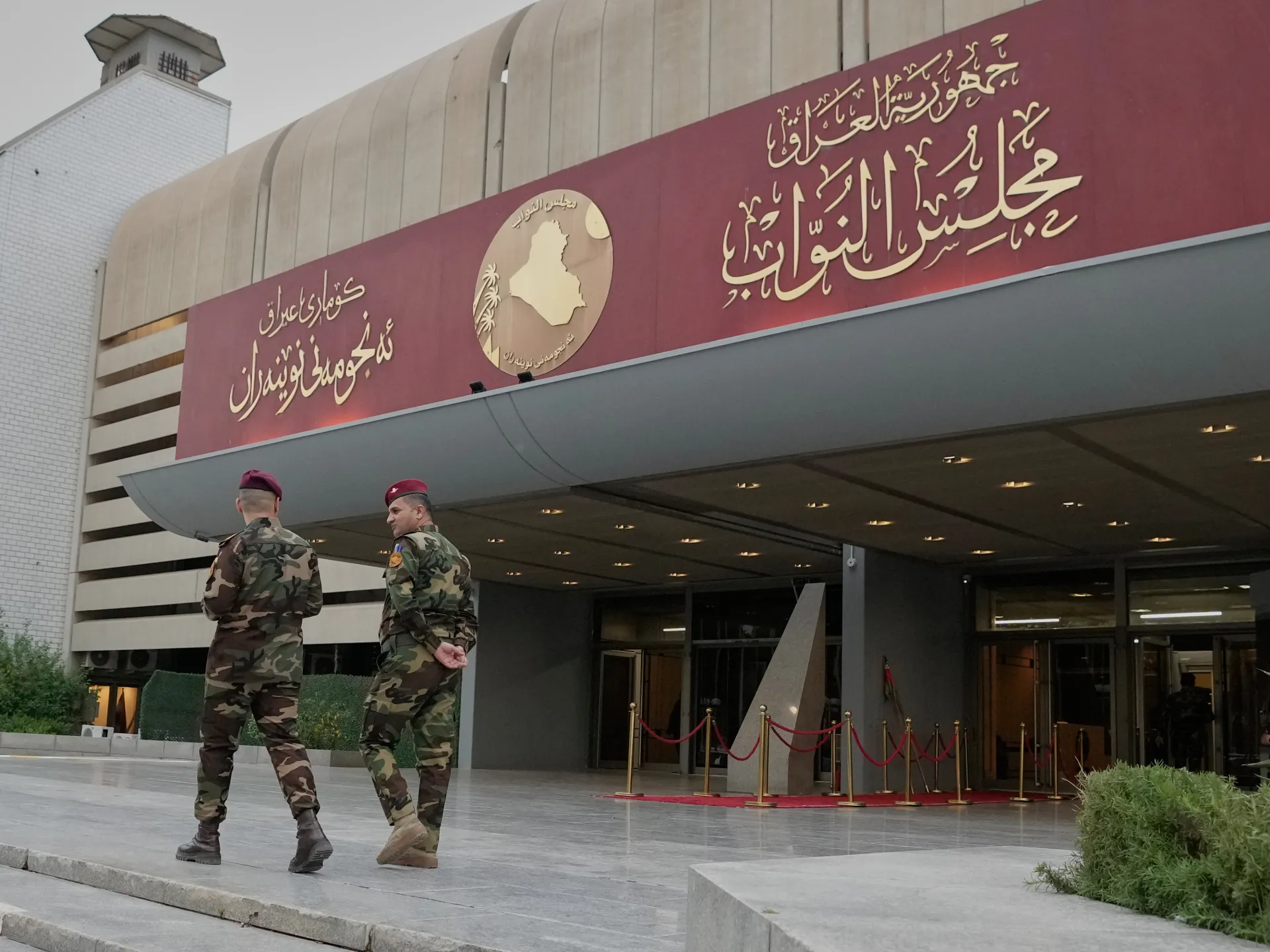

Iraq’s recent presidential election, culminating in the selection of Nizar Amedi following a protracted political stalemate, marks a pivotal moment for the country’s economic trajectory and its integration into regional and global financial systems. Amedi’s victory dissolves a 150-day governance vacuum that had stifled investor confidence, particularly in sectors reliant on stable policy frameworks, from oil extraction to telecommunications. For a nation whose sovereign debt liquidity and foreign investment inflows are inextricably linked to political predictability, the formation of a cohesive government now hinges on Amedi’s ability to broker consensus behind a prime minister—likely a Shia nominee—as the Coordination Framework, led by Iran-aligned entities, pushes its candidate. This dynamic underscores the fragility of Iraq’s sovereign capital markets, where volatility in leadership transitions often triggers credit downgrades and restricts access to international financing, exacerbating fiscal shortfalls tied to oil price volatility.
The election’s business implications extend beyond domestic stability to regional venture capital ecosystems. Iraq’s nascent tech and startup landscape, energized by a young, educated demographic, has struggled to attract capital amid regulatory opacity and security risks. Amedi’s pledge of “Iraq First” could signal a calibrated shift toward domestic value capture, potentially creating an opening for sovereign-backed sovereign wealth funds to co-invest domestically or for foreign VC firms to structure hybrid investments anchored by government guarantees. Furthermore, the Kurdistan Regional Government’s parallel economic initiatives, bolstered by energy revenues and diaspora engagement, may gain momentum if national political gridlock eases, enabling cross-regional capital flows critical for infrastructure and manufacturing hubs.
Infrastructure development, a linchpin for regional economic integration, faces urgent scrutiny. Iraq’s dilapidated power grids, water systems, and transportation networks—crucial bottlenecks for agricultural and industrial output—require sustained public-private partnerships. However, geopolitical tensions with Iran, which enjoys influence over key Iraqi militias, complicate foreign investment in border and logistical corridors. The recent ceasefire in the US-Israel war on Iran temporarily eases immediate security risks, but prolonged uncertainty could deter multinational firms from committing to long-term infrastructure projects. Amedi’s administration must navigate these fractures while championing opportunities to align Iraq’s energy exports with Gulf markets and leverage Iraqi oil wealth to fund domestic modernization, balancing sovereignty against regional dependencies.
Ultimately, Iraq’s political realignment represents a high-stakes test for its ability to mobilize both domestic and external capital in a climate of competing interests. Amedi’s mandate, contingent on forming a unified government within constitutional bounds, could catalyze reforms to attract ESG-aligned sovereign investors and de-risk venture-oriented sectors like fintech and renewable energy. However, entrenched sectarian rivalries and foreign interference risks remain, demanding nuanced diplomacy to avert capital flight and secure commitments for infrastructure resurgence. The outcome will reverberate across the MENA region, influencing everything from Gulf energy strategies to multilateral lending frameworks centered on Iraq’s oil-backed financial resilience.