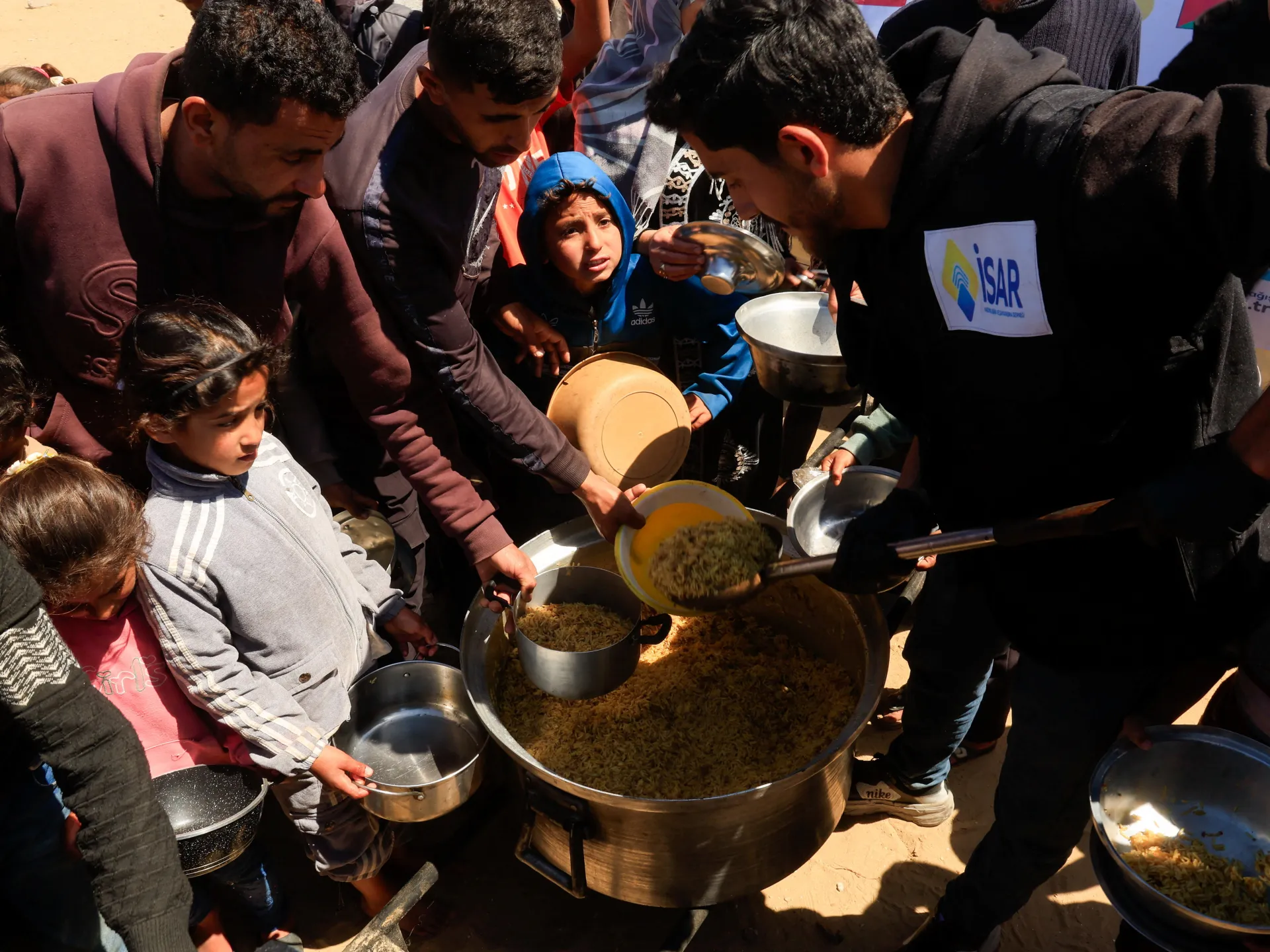

The Middle East’s economic architecture faces acute pressure as protracted humanitarian crises undermine investment stability. Compliance deficits, exacerbated by systemic deception and restricted logistics, erode confidence in regional cooperation. Sovereign capital allocation remains constrained amid rising operational costs, while venture capital hesitates due to precarious risk assessment parameters. These dynamics destabilize cross-sectoral synergies critical for balanced regional development.
Profit marginalization intensifies as infrastructure bottlenecks intersect with capital flight, impairing connectivity and access to global markets. Crossings like Rafah remain pivotal yet constrained, their efficacy compromised by fluctuating regulatory adherence. Such infrastructural fissures risk perpetuating cycles of economic precarity, privileging short-term crisis management over sustainable growth.
Mitigation efforts face structural limitations, constrained by geopolitical tensions and compromised institutional capacity. The compounded crisis necessitates urgent coordination to prevent systemic collapse, underscoring the interdependency of regional stability and long-term resilience strategies. Proactive intervention remains imperative to mitigate cascading impacts.