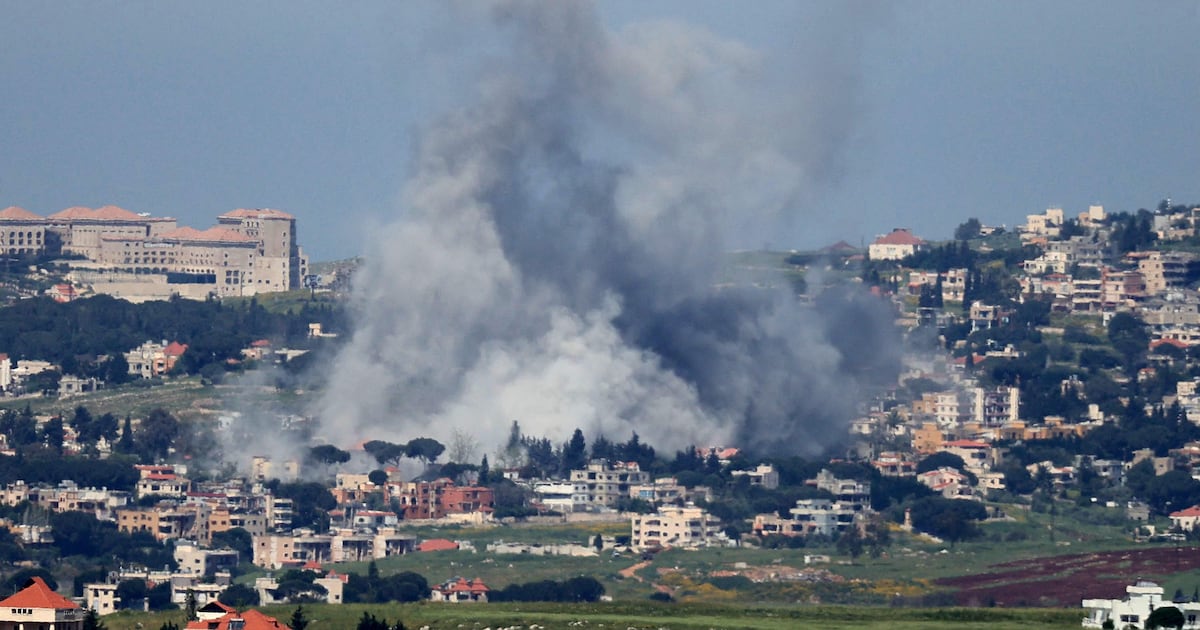

The Middle East and North Africa (MENA) region stands at a critical juncture where the interplay of sovereign capital investments, venture capital flows, and regional infrastructure projects converges to shape its economic trajectory. The recent wave of Israeli military strikes underscores a broader strategic contest in a geopolitical landscape defined by shifting balances of power. These operations, driven not merely by conventional security imperatives but underpinned by significant financial stakes, signal a recalibration of investment patterns and state resources across the subregion. Sovereigns and institutional investors must now account for the direct impact of such confrontations on capital stability, with potential reverberations across sovereign debt markets, infrastructure investments, and the allocation of private capital toward more resilient or strategically advantageous assets.
The surge in venture capital activity is increasingly observable in response to these shifting dynamics. As uncertainty continues to surface from the Israel-Lebanon confrontations, regional entrepreneurs and private equity entities are prioritizing investments that mitigate risk and enhance security posturing. Sovereign capital is being strategically deployed in bolstering defense industries, fortifying infrastructure, and fortifying technological capabilities to ensure operational continuity amid heightened geopolitical volatility. This rerouting of capital away from exposed assets toward fortified and diversified portfolios reflects an institutional adaptation to an environment where war and instability are no longer anomalies but recurring considerations.
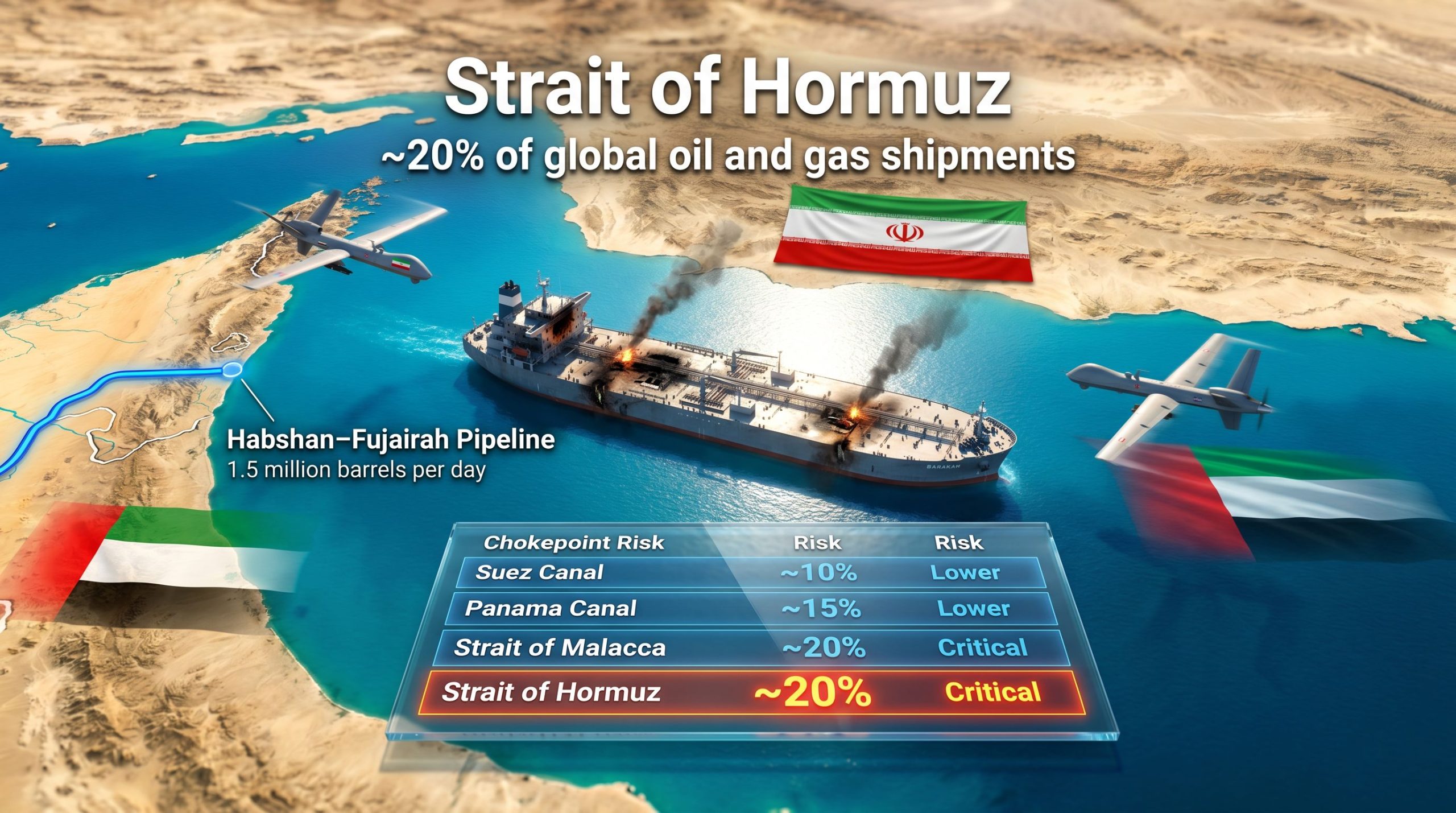
Beyond the boardroom, the infrastructure implications are profound. The repeated strikes and the deployment of advanced weapon systems have exposed vulnerabilities in critical urban centers and logistical corridors. These incidents heighten the urgency for regional infrastructural resilience, with a growing focus on hardening key nodes—public systems, communication networks, and energy grids—that will sustain both civilian life and economic operations under duress. Regional stakeholders must recognize that the battle over control of both physical and digital spaces is defining a new paradigm of competition, and their ability to invest in safeguards will determine their long-term survival and prosperity.
In this context, the convergence of sovereign finance, venture capital, and infrastructural planning constitutes a pivotal moment for the MENA economy. The decisions made in the coming days and months will not only shape immediate military outcomes but also set the stage for a new era of private-sector engagement, technological innovation, and regional cooperation. Understanding this intersection is essential for investors, policymakers, and regional actors alike, as they navigate the complex terrain where capital and courage dictate the future of the Middle East and North Africa.