
Strategic Military Procurement Bolsters Israel’s Military Modernization and Technological Edge
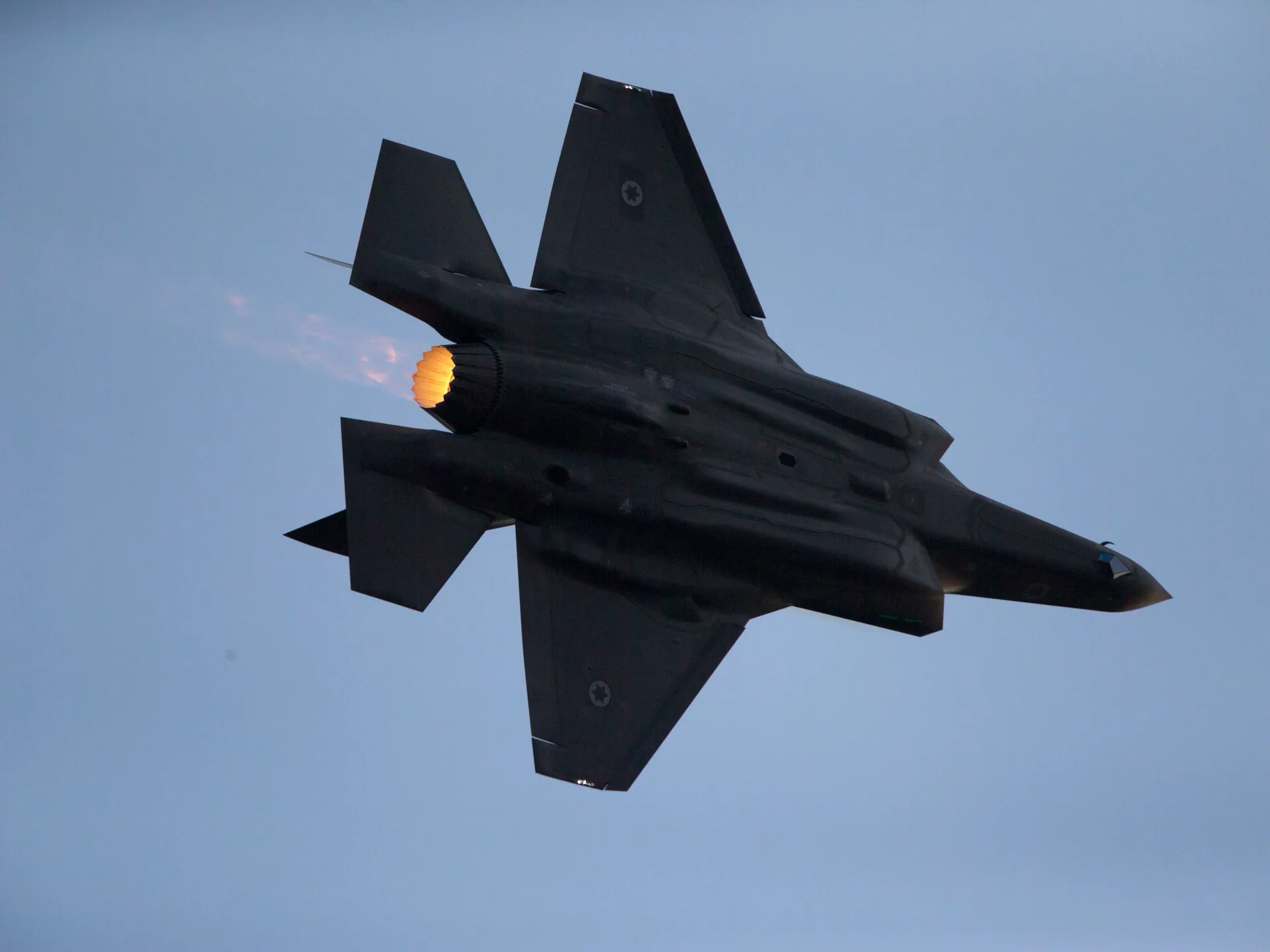
Israel has endorsed a significant deal, amounting to tens of billions of dollars, to procure advanced fighter aircraft from Lockheed Martin and Boeing. The agreement includes the acquisition of two new combat squadrons, with a focus on F-35 and F-15IA configurations. This move is part of a broader $119 billion defense enhancement program, aimed at fortifying Israel’s military preparedness and readiness for the coming decades.
The transaction marks a pivotal investment in sovereign defense capabilities, reflecting the urgency to counteract regional threats. Ministerial approval underscores Israel’s commitment to enhancing air superiority, particularly in light of ongoing conflicts with Iran. The procurement strategy keenly emphasizes superior combat readiness and a robust technological edge, indicative of Israel’s larger ambitions in the Middle East.
The importance of continued U.S.-Israel strategic ties is evident in this decision, with defense experts interpreting the acquisition as a reaffirmation of alliance strength. The U.S. Navy’s presence in Iranian ports, following a February 28, 2023 inception of the U.S.-led counter-insurgency against Iran, has highlighted the vulnerability of Iranian territories to aerial surveillance and attacks. This deal not only addresses immediate defense needs but also prepares for potential long-term strategic engagements in the region.
The Formenter articulates the multifaceted impact of this procurement on the region’s financial and technological landscapes. With increased sovereign military spending, the Middle East and North Africa see a surge in regional venture capital inflows, particularly in defense technology and aerospace industries. The deal sets a precedent for similar national defense spending and technological advancements across the region. Moreover, the enhanced military presence has implications for regional infrastructure stability, likely prompting reflection on the need for advancements in cyber defenses and communication systems.