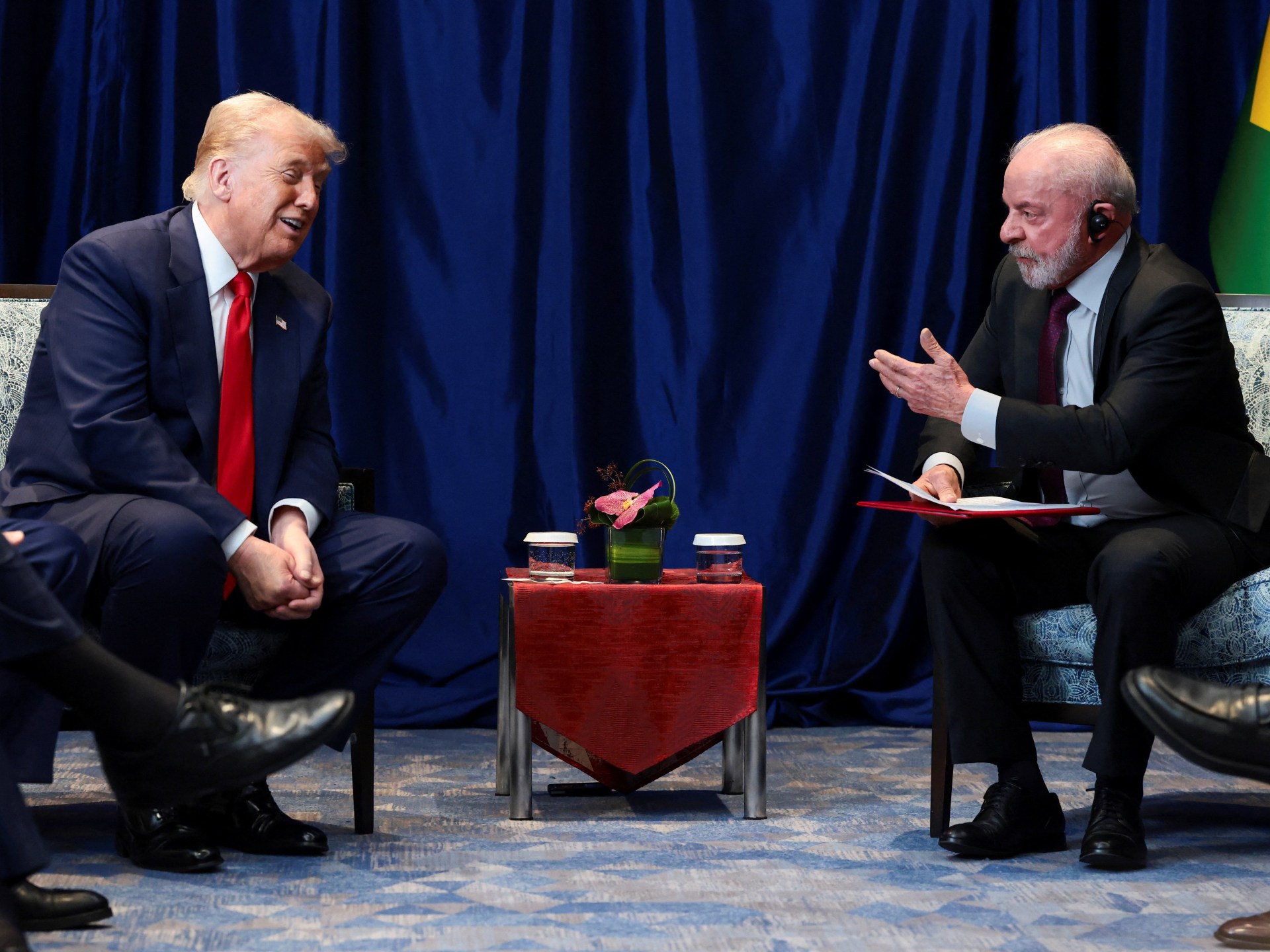

The May 7, 2026 White House summit between Brazilian President Luiz Inácio Lula da Silva and U.S. President Donald Trump carries material implications for Middle East and North Africa (MENA) sovereign capital allocators, even as bilateral talks center on U.S. tariff relief, critical mineral supply chains and digital trade rulemaking. Gulf Cooperation Council (GCC) sovereign wealth funds (SWFs) alone hold an estimated $189 billion in Brazilian agribusiness, mining and financial assets, with exposure to Brazilian beef, coffee and lithium exports that serve as core portfolio hedges amid volatile global commodity cycles. Last year’s 50% U.S. tariffs on Brazilian imports—later partially rolled back to curb domestic grocery price inflation—drove a 12% quarter-over-quarter repricing of Brazilian asset holdings for top MENA SWFs in Q4 2025, making stabilized bilateral ties a priority for regional institutional investors seeking to avoid further LatAm allocation volatility. Brazilian products still face an additional 10% tariff set to expire in July, with pending Section 301 probes raising risks of further levies.
Infrastructure implications for the region are equally acute. Brazil is the world’s top supplier of niobium, a critical input for MENA’s $2.1 trillion pipeline of green hydrogen, EV manufacturing and smart city projects, including Saudi Arabia’s NEOM and the UAE’s Al Dhafra industrial zone. Any escalation of the U.S. Section 301 investigation into Brazilian trade practices, flagged by the U.S. Trade Representative last month, threatens to disrupt niobium supply chains, raising project costs for regional sovereign infrastructure vehicles by up to 8% per independent estimates. Brazil’s recent decision to block the U.S.-backed renewal of the WTO e-commerce tariff moratorium also sets a precedent for MENA digital economy frameworks: regional governments, which attracted $17 billion in venture capital funding to the tech sector in 2025 alone, rely on stable cross-border digital trade rules to scale local startups and retain U.S. institutional VC flows.
MENA food security priorities, backed by $320 billion in sovereign strategic reserves, are directly exposed to U.S.-Brazil trade friction. Brazil supplies 34% of MENA’s wheat imports, 28% of beef and 41% of coffee, with any new U.S. retaliatory tariffs on Brazilian agricultural exports likely to trigger upward pressure on regional food subsidy bills, which already account for 12-18% of GCC sovereign budgets. U.S. allegations that nearly half of Brazilian timber exports are illegally sourced—denied by the Lula administration, which notes deforestation rates have hit historic lows—add further risk to MENA’s $420 billion construction pipeline, which sources 19% of soft timber from Brazil for projects ranging from Qatar’s Lusail to Egypt’s New Administrative Capital. Competing U.S. and Brazilian ethanol tariffs also complicate MENA’s biofuel transition plans, as regional states look to Brazilian ethanol to diversify energy imports amid net-zero commitments.
Venture capital flows and policy certainty are further at risk from Lula’s weakened domestic mandate, which includes last week’s congressional override of his veto on reducing former President Jair Bolsonaro’s prison term and the first Senate rejection of a Supreme Court nominee in over a century. With 62% of late-stage MENA tech startups reliant on U.S. venture capital, any scaling of U.S. protectionist tools such as Section 301 probes to other emerging markets could tighten capital access for regional founders, even as Trump hailed the “very dynamic” talks on Truth Social and signalled additional meetings over coming months. For MENA sovereigns, the meeting underscores the need to diversify trade partnerships and hedge against U.S.-Brazil policy volatility, as regional governments accelerate infrastructure buildouts and tech ecosystem growth amid a fragmented global trade landscape.