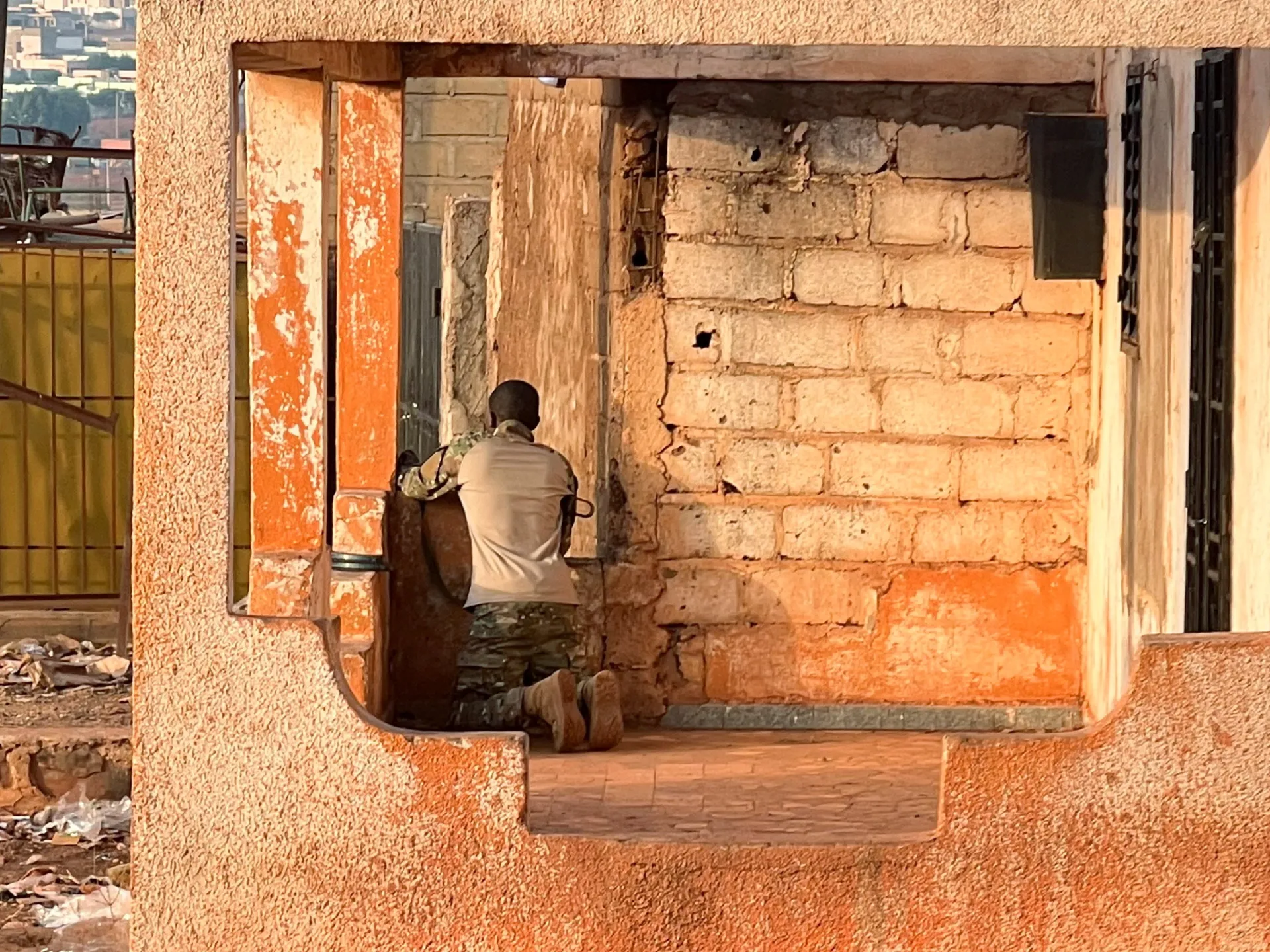

The recent incursion by unidentified armed groups into Mali’s military positions has nothing to do with the geopolitical stability in the region it affects. The attack is reminiscent of the country’s history of internal conflict, yet the region’s ongoing struggle with poverty, underdevelopment and inadequate infrastructure leaves the state vulnerable. Rather than external threats, what these attacks signify is internal quandaries the region may need to face, specifically, immediate attention in fostering rejuvenation of both governance and development of a strong economic foundation.
The Middle East and North Africa (MENA) have had to face a devastating impact as a consequence of global instability. The Malian crisis does not fit neatly into this category, but rather highlights the internal struggles of struggling economies in the region often affected by larger forces like regional politics, the global pandemic and geopolitical tensions. Amidst such developments the economies across the regional face the challenge of implementing policies and strategies that address the structural deficit of the Middle East economies and strive to expand their capacities.
With the world pivoting heavily towards innovation and developing structures that thrive in the 21st century, it is imperative that the MENA region undergoes substantial change. Capital and supplies from international demand—be it in the form of foreign investments in infrastructure projects or technologies for sustainable development, must be monitored meticulously. As Europe continues its phased exit of gas supplies to the Middle East, it settles into an era manifold more straightforward, driven by renewables, which presents a significant opportunity in a region with untapped solar energy. However, achieving an energy transition will rely heavily on the setting of capital for ambitious projects in the EV and green hydrogen space, projects currently hindered by what seems axisless reserve and obligation charged costs. The region’s sovereign wealth funds can trigger momentum towards financing these operations as a bulwark against the global recessions and instability
Investment in technology is another key vein in which the MENA region can ascertain press-investment. Technology ultimately acts as a multi-vector in addressing poverty while creating opportunity for underprivileged demographics. Placed into the equation of inequality, what’s lacking pivots more on socio-economic development, technological disinvestment, and education. Whether from shell companies or megafunds, progress remains difficult to extrapolate. The only systematic approach to overseeing funds in order to foster transitional technology had been lost as more resources are redirected hence the urgency for innovation to aid advancement.
This is where venture capital can serve as the fulcrum for investment opportunities, scaling local education programs, and even business-identity as a cultural cornerstone for the attempt to cement an outgrowth of innovation while supporting technological growth and business development. Initiatives such as digital startups and social enterprises offer compensation in such a lack in experience and the innate cost efficiencies inherent with business model orientation along with opportunities to refute resistance against dialectical perspective.
Ultimately, to ride a high tide in a volatile state like Mali can be attributed to professional decision making during state-run emergencies. Nonetheless, the primary solution to this regional problem will depend on the foundation of trust and an examination of structural factors as much as promoting empowerment and collaboration of acts towards popular governance, protection and justice, this must ultimately lead back to sokar institutions poised to increase participation of citizens in the security architecture.
The legacy of each attack in Mali isn’t the weaponization of weapons or the echelons seized but corresponds to anguish, and the resonating of systems, which cannot be healed without food for reflection, fusion, and alternative interpretation for contemporary societal envoy addressing the region’s vulnerabilities.