
Recent reports detailing the rapid expansion of generative AI capabilities within Saudi Arabia’s sovereign wealth fund, PIF, represent a significant strategic pivot with far-reaching implications for the broader MENA region. While initially focused on digital transformation and diversification, PIF’s demonstrable investment in OpenAI and subsequent development of its own proprietary AI models – reportedly leveraging significant local talent – signals a deliberate move towards becoming a regional leader in this nascent technology. This isn’t merely a technological play; it’s a calculated effort to bolster Saudi Arabia’s economic resilience and attract foreign direct investment, particularly within sectors ripe for automation and innovation, such as logistics, finance, and even tourism. The immediate business impact will be felt across the Kingdom as companies scramble to integrate AI solutions, potentially displacing lower-skilled labor while simultaneously creating demand for specialized AI engineers and data scientists – a challenge requiring proactive workforce development initiatives.
The implications extend significantly beyond Saudi Arabia’s borders. The PIF’s aggressive AI strategy is likely to catalyze a surge in venture capital activity throughout the MENA region. We anticipate increased interest from global and regional funds seeking to capitalize on the burgeoning AI ecosystem, particularly in countries like the UAE, Egypt, and Morocco, which have already demonstrated a commitment to technological advancement. However, this influx of capital will necessitate a strengthening of regional infrastructure – reliable internet connectivity, robust data centers, and a skilled talent pool – to support the demands of AI development and deployment. Furthermore, regulatory frameworks must evolve to address data privacy, cybersecurity, and ethical considerations, a process that will require coordinated regional collaboration to avoid fragmentation and maintain investor confidence.
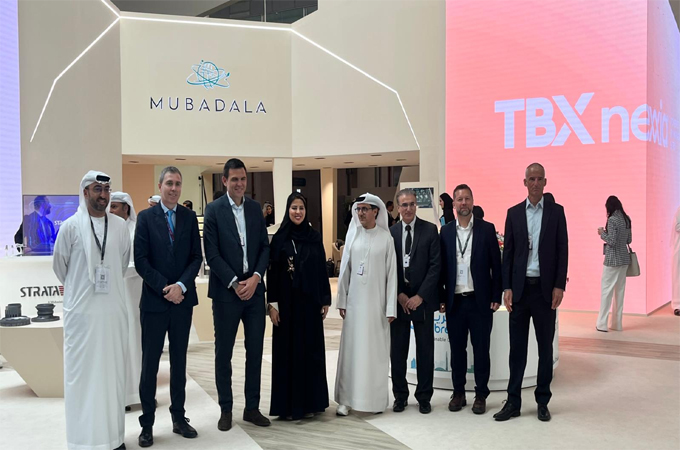
Sovereign capital, particularly from funds like Mubadala in the UAE and ADQ in Abu Dhabi, will undoubtedly mirror PIF’s approach, albeit with a potentially more cautious and phased rollout. These entities recognize the transformative potential of AI but prioritize stability and long-term returns. The competition between these sovereign wealth funds to establish regional AI dominance will drive innovation and investment, but also carries the risk of resource misallocation and a focus on prestige over genuine economic value. Crucially, the success of these initiatives hinges on fostering a collaborative environment between governments, private sector entities, and academic institutions – a delicate balance that requires astute leadership and a clear articulation of national AI strategies.
Ultimately, PIF’s AI ambitions represent a watershed moment for the MENA region. It’s a strategic gamble with the potential to reshape the economic landscape, but one that demands careful management and a long-term vision. The next 18-24 months will be critical in determining whether this investment translates into sustainable growth, or if it becomes a cautionary tale of over-ambition and misplaced priorities. Monitoring the development of regional AI infrastructure, the flow of venture capital, and the evolution of regulatory frameworks will be paramount for investors and policymakers alike as the region navigates this transformative technological shift.