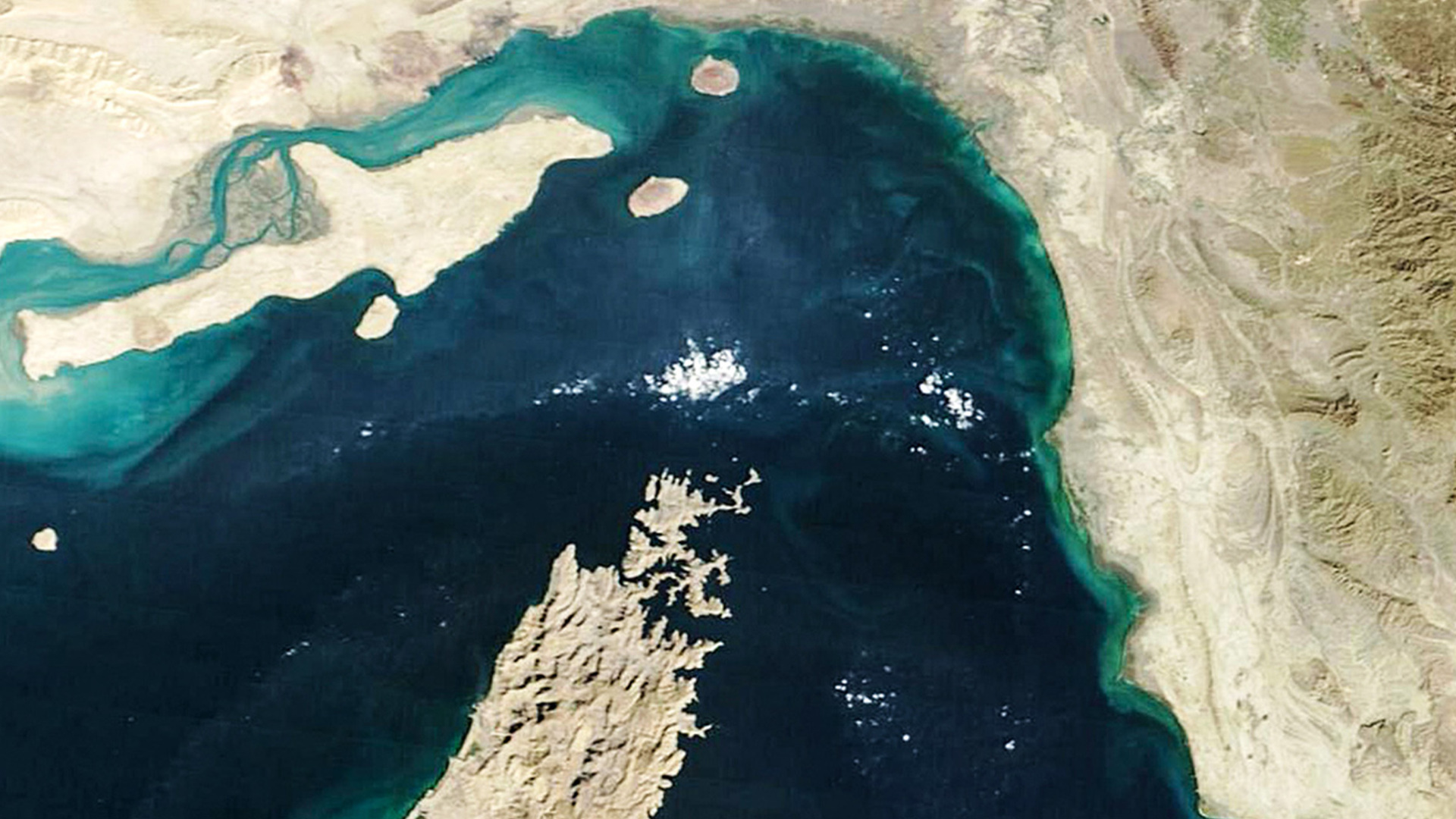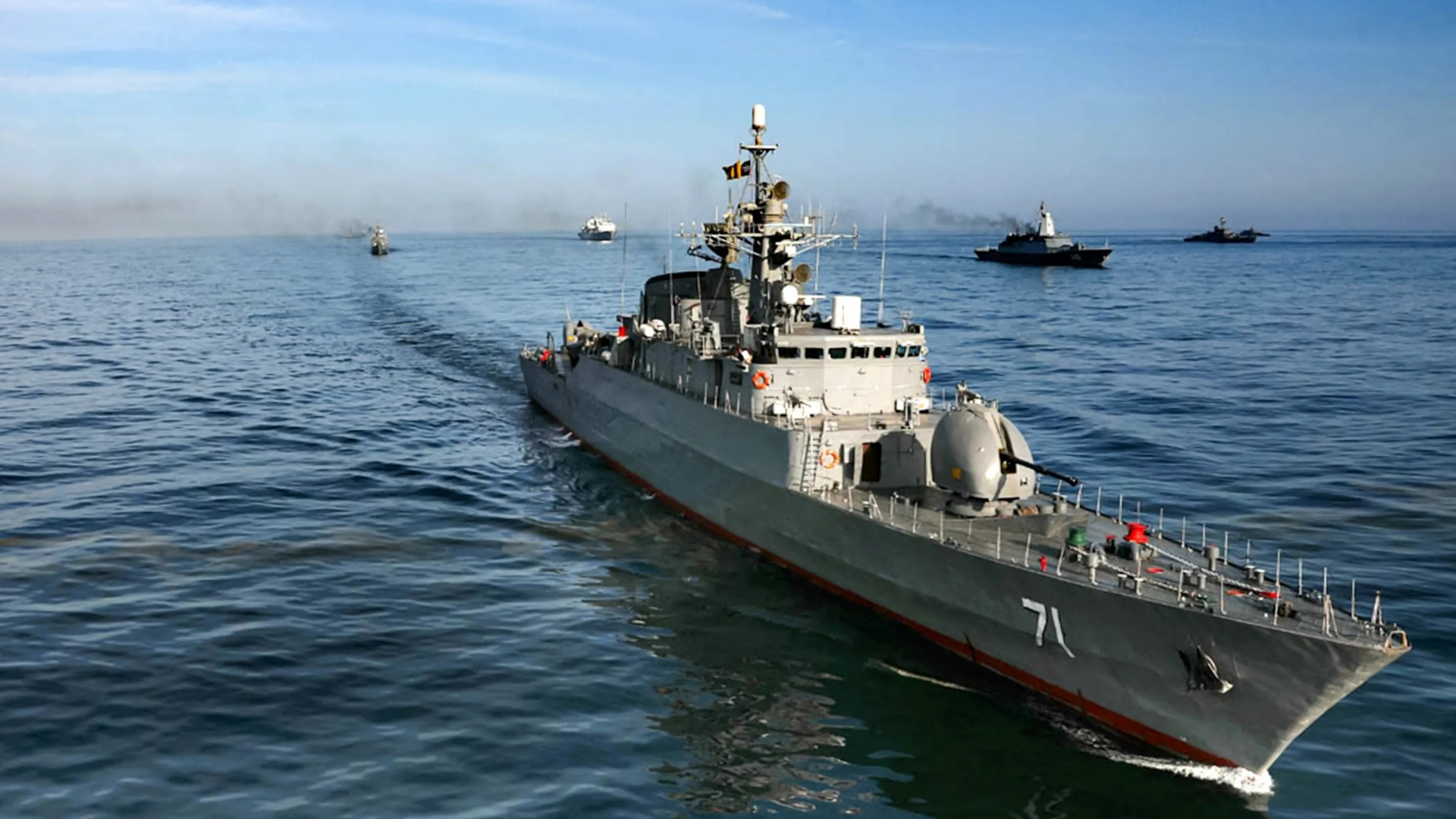

The confluence of escalating territorial disputes and armed conflicts across key global shipping lanes is delivering a systemic shock to MENA economies, forcing a fundamental repricing of sovereign fiscal stability and institutional investment strategies anchored to decades-old assumptions of open, rules-based maritime trade. Threats to the Strait of Hormuz, Red Sea and Black Sea corridors – which together handle 40% of global seaborne hydrocarbon flows and 30% of Asian-European container traffic – are no longer peripheral geopolitical risks but material drivers of balance sheet exposure for Gulf hydrocarbon exporters and North African transit states alike. Egypt’s Suez Canal Authority, a critical foreign exchange earner for Cairo, has reported a 42% year-on-year decline in transit revenue since early 2026 amid Red Sea rerouting, while Gulf sovereigns face upward pressure on fiscal breakeven oil prices as Hormuz closure risks add $8-$12 per barrel to crude export logistics costs.
Gulf sovereign wealth funds are responding with aggressive reallocations of dry powder, pivoting from legacy passive infrastructure stakes to vertically integrated supply chain resilience assets. Saudi Arabia’s Public Investment Fund (PIF) has accelerated $14bn in previously announced commitments to NEOM’s Oxagon floating port and Jeddah Islamic Port, adding bespoke AI-driven maritime surveillance systems and onshore rail bypass corridors to mitigate Red Sea transit risks. The UAE’s ADQ and Qatar Investment Authority have similarly shifted focus from North Atlantic port equity to strategic stakes in East African, South Asian and Mediterranean alternative transshipment hubs, as well as maritime insurtech and autonomous vessel startups, in a bid to decouple sovereign wealth returns from traditional chokepoint vulnerabilities. These allocations form part of a broader $1.2tn regional infrastructure spend on non-oil logistics sectors, a core pillar of Gulf economic diversification agendas.
Venture capital flows across the region are undergoing a parallel shift, with logistics and supply chain tech now accounting for 38% of all early-stage deal activity in Q1 2026, up from 12% in 2023, per regional data provider MAGNiTT. Growth equity firms and corporate venture arms are prioritizing startups addressing maritime documentation inefficiencies, autonomous shipping solutions and trade finance platforms that bypass legacy international maritime law frameworks, which have proven unable to address non-state actor threats and great power territorial disputes. UAE-based supply chain platform Fletes and Egypt’s Shipa have each closed $200m+ Series C rounds in recent months, backed by SWF-linked venture vehicles, as institutional investors seek to hedge against prolonged shipping cost inflation that is eroding margins for MENA’s export-oriented SMEs and manufacturing sectors.
Longer-term infrastructure planning across the region is being recalibrated to prioritize redundancy over efficiency, with Oman’s Duqm Port and Egypt’s Suez Canal Economic Zone (SCZone) repositioning to capture diverted trade from disrupted traditional lanes. However, institutional analysts warn that fragmented cross-border port standards and chronic underinvestment in regional maritime law enforcement capacity could blunt these gains, leaving MENA exposed to persistent supply chain volatility that will filter into consumer price indices and complicate monetary policy normalization across the region. The erosion of established maritime governance norms, once a distant threat to regional stability, is now a defining driver of capital allocation across MENA’s public and private sectors.