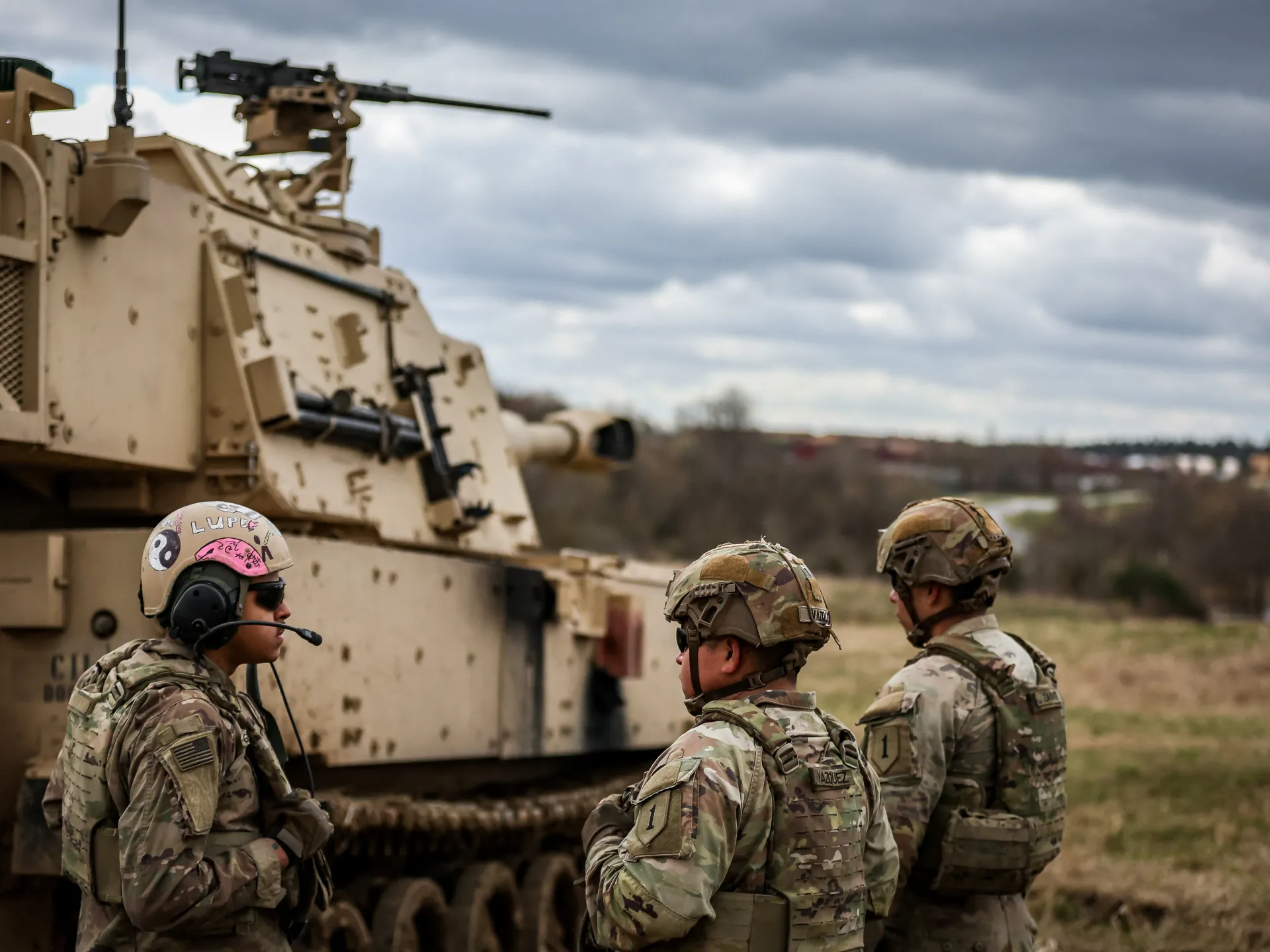

The United States’ announced plan to withdraw approximately 5,000 troops from Germany over the next six to twelve months represents a significant recalibration of transatlantic security dynamics with profound implications for the Middle East and North Africa (MENA) region. This strategic shift, precipitated by escalating geopolitical tensions surrounding the Iran conflict and a discernible divergence in US-European priorities, signals a potential weakening of the conventional security architecture in Europe and a nascent re-evaluation of the US’s commitment to its traditional allies. The business impact will be substantial, potentially influencing investment flows, regional power balances, and the trajectory of infrastructure development.
Sovereign capital markets in the MENA region will be closely monitoring the ramifications of this US decision. Reduced US military presence in Europe could create opportunities for regional powers to expand their security influence, particularly in areas where traditional Western security guarantees may be perceived as diminishing. This could translate to increased investment in regional defense capabilities and a potential realignment of alliances. Furthermore, the shift in US strategic focus away from Europe towards potentially more volatile regions like the Indo-Pacific could influence investment decisions in the MENA region, favoring projects with stronger regional or multilateral ties. The stability of existing energy infrastructure and the potential for new energy partnerships could also be impacted by these evolving geopolitical dynamics, affecting sovereign wealth funds and regional economic growth.
The venture capital landscape in the MENA region may experience both opportunities and challenges. While a reduced emphasis on traditional Western security concerns might open doors for investments in sectors deemed less directly linked to European defense, such as technology, renewable energy, and private security ventures focused on regional stability. However, the broader geopolitical uncertainty could also dampen investor sentiment and lead to increased risk aversion. The implications for regional infrastructure projects, particularly those with significant US involvement, are also noteworthy. A reduction in US military presence could indirectly affect the financing and prioritization of such projects, potentially accelerating the need for regional actors to take greater ownership of their own infrastructure development.
The long-term implications of the US troop withdrawal extend beyond immediate business and financial repercussions. It underscores a broader trend of shifting power dynamics and a potential disentangling of US and European security commitments. The renewed emphasis on European self-reliance, as advocated by Germany and echoed by NATO, could spur greater investment in regional security initiatives and accelerate the development of a more robust European defense posture. This, in turn, could foster greater regional integration and cooperation, potentially reshaping the geopolitical landscape of the MENA region and creating new avenues for economic and political engagement. The evolving security architecture will necessitate a proactive and adaptable approach from regional stakeholders to navigate the changing global order.