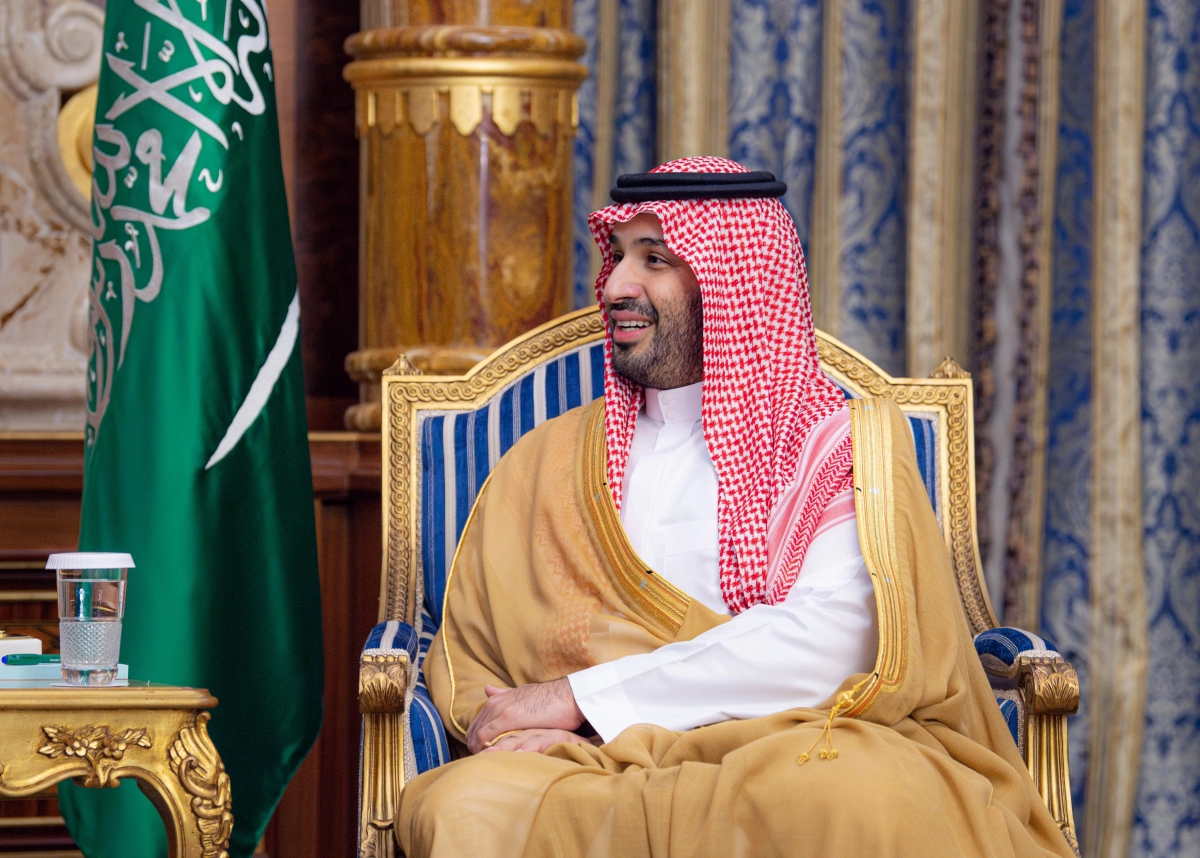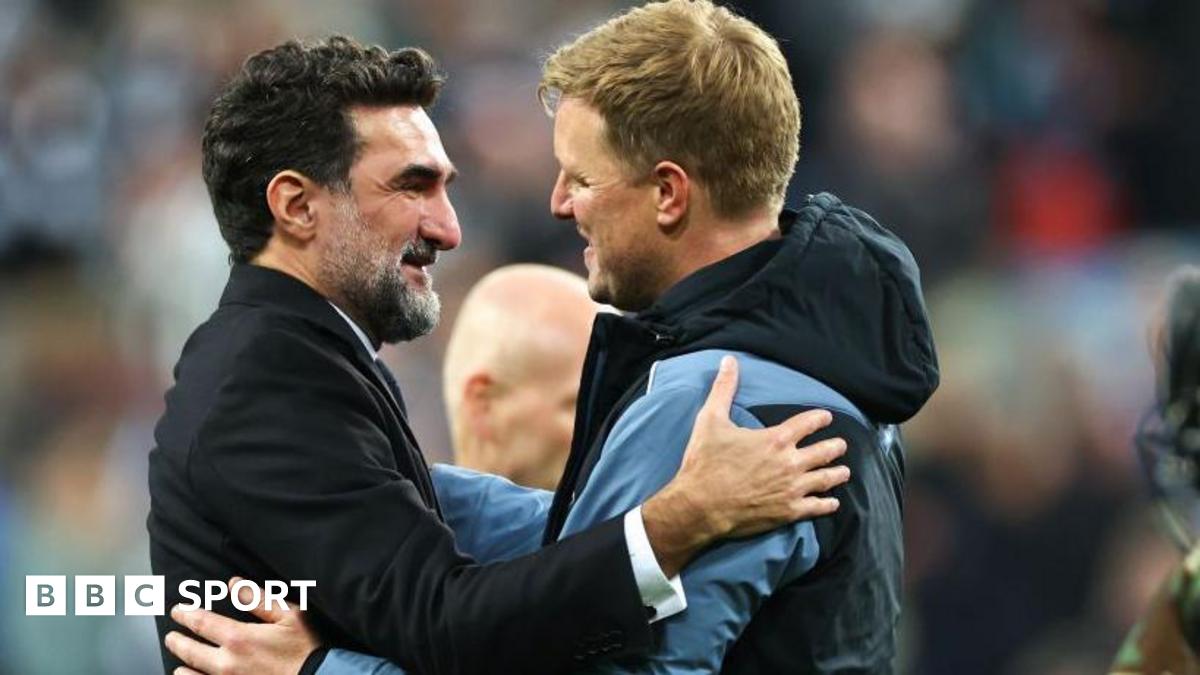

Saudi Arabia’s Public Investment Fund (PIF) continues to assert its strategic dominance in global sports through its flourishing investment in Newcastle United, a move emblematic of its broader ambition to leverage sovereign wealth for geopolitical and economic influence. Despite the Premier League club’s current 14th-place standing, the PIF’s enduring commitment to long-term growth—evidenced by its retention of an 80% stake since 2021—underscores its intolerance for short-term volatility. This institutional patience aligns with the fund’s global portfolio strategy, which prioritizes high-profile assets to amplify Saudi Arabia’s soft power, even amid its controversial disengagement from LIV Golf. The club’s deliberations over stadium expansion and a new state-of-the-art training facility highlight a calculated understanding that infrastructure development is integral to both competitiveness and revenue diversification, positioning Newcastle as a proving ground for capital-intensive sports modernization that could inform regional peers in the Middle East and North Africa (MENA).
Newcastle’s infrastructure ambitions—ranging from modernizing St James’ Park to assessing a potential new ground—reflect a broader trend among sovereign-backed investors to redefine regional sports ecosystems through capital-heavy bets. For the PIF, such projects serve dual purposes: they elevate Saudi Arabia’s profile as a progressive, player-centric football market while providing scalable blueprints for MENA nations seeking to diversify beyond extractive industries. The potential for a sector-specific cash surge, mirroring the PIF’s investments in tech and renewable energy, could catalyze similar strategies in the Gulf, where sovereign wealth funds grapple with balancing risk and returns in volatile sectors. Notably, the club’s leadership has framed these initiatives as part of a “rational,” data-driven transformation, a narrative echoing institutional investors’ growing emphasis on analytics and governance in MENA markets increasingly scrutinized for governance lapses.
Beneath the surface, Newcastle’s strategic recalibration reveals tensions inherent in sovereign capital’s global sportsplay. The PIF’s simultaneous withdrawal from LIV Golf—a decision framed as a response to regulatory uncertainty—while doubling down on Premier League assets, illustrates the delicate balancing act of navigating ESG scrutiny and maintaining geopolitical momentum. For the MENA region, this dichotomy holds critical lessons: the PIF’s ability to simultaneously fund lavish infrastructure projects and confront shareholder advocacy for immediate performance gains could serve as a roadmap for other state-backed entities aiming to harmonize economic sovereignty with grassroots competitiveness. However, the club’s current struggles in the standings caution against overreliance on capital infusion without parallel investments in talent and tactico-technical innovation, a balance regional investors must master to avoid the pitfalls of inflated valuations and trophy droughts.
As Newcastle United weighs its stadium’s future and navigates boardroom discussions on operational overhaul, the PIF’s unrelenting focus on systemic transformation over immediate gratification highlights a divergent philosophy from many traditional European ownership models. This approach could reshape investor expectations in the MENA region, where wealthy private entities and sovereign wealth funds alike grapple with replicating European club dynasties in local leagues. The club’s push for a long-term vision—articulated through architectural modernization and recruitment analytics—parallels Saudi Arabia’s broader economic narrative of pivoting toward high-skill industries and global brand equity. Yet, the absence of rapid results underscores a universal truth: even with unlimited capital, sporting success remains an art as much as a science, a challenge MENA investors will inevitably confront as they scale their global ambitions into the arena of world football.