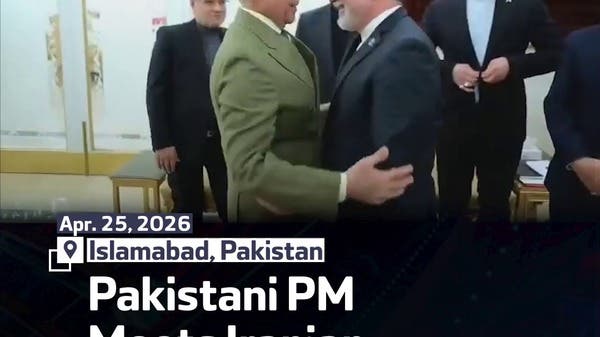

In a rare diplomatic overture that could reshape the fiscal landscape of the Gulf‑to‑Indus corridor, Pakistan’s prime minister hosted Iran’s foreign minister in Islamabad this week, signalling a concerted push to revive cross‑border trade, energy pipelines and digital corridors. Both governments pledged to fast‑track the revival of the Iran‑Pakistan gas pipeline and to streamline customs procedures for containerised cargo traversing the Chabahar‑Gwadar axis. For sovereign investors, the prospect of a stable, over‑land energy conduit reduces reliance on maritime routes vulnerable to geopolitical shocks, thereby unlocking a new tranche of sovereign‑backed financing for infrastructure projects estimated at $15‑20 billion.
Regional development banks and multilateral lenders have already indicated readiness to underwrite the pipeline’s expansion, contingent on a credible legal framework that mitigates sanction‑related exposure. A smoother flow of natural gas into Pakistan’s power sector would alleviate chronic electricity shortages, improve industrial productivity, and create a more attractive environment for venture capital (VC) funds targeting clean‑tech and energy‑storage startups in both countries. Early‑stage investors are likely to reposition capital toward subsidiaries that can exploit lower‑cost gas inputs, accelerating the rollout of hybrid renewable‑gas micro‑grids in remote provinces.
The meeting also touched on the integration of digital infrastructure, with both sides exploring a joint sovereign‑funded blockchain hub in Quetta‑Kerman to streamline trade documentation and to host fintech incubators. By aligning regulatory sandboxes and providing tax incentives for VC‑backed fintech ventures, the two governments aim to nurture a pipeline of home‑grown digital enterprises capable of scaling across the wider MENA region. Such initiatives dovetail with broader Gulf sovereign wealth strategies seeking diversification beyond hydrocarbons into technology‑enabled services.
For regional investors, the diplomatic thaw represents more than a political gesture; it is a catalyst for re‑routing capital flows toward tangible, revenue‑generating assets. Should the pipeline and digital hub materialise on schedule, the combined effect could generate upwards of $2 billion in annual fiscal returns for both Islamabad and Tehran, while furnishing a stable platform for private‑capital participation in the Middle East’s emerging infrastructure ecosystem.