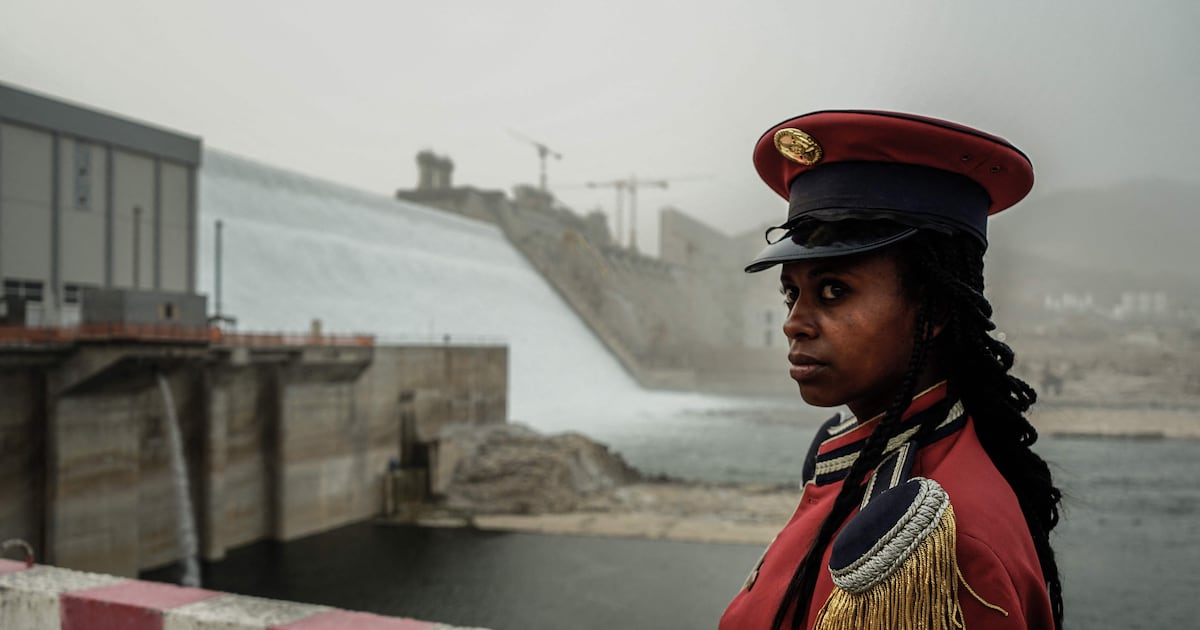

Egypt’s assertive diplomatic and strategic maneuvering in the Horn of Africa, particularly concerning the Grand Ethiopian Renaissance Dam (GERD), presents a significant nexus of geopolitical and economic implications for the Middle East and North Africa (MENA) region. Beyond the immediate water dispute with Ethiopia, Cairo’s actions reflect a broader ambition to curtail perceived Israeli influence and establish a more dominant regional posture, impacting both sovereign capital flows and infrastructure development.
The GERD dispute has profound sovereign capital ramifications across the region. Egypt, heavily reliant on the Nile River, views the dam as an existential threat, necessitating diplomatic engagement and strategic alliances. This has triggered a realignment of regional power dynamics, with Egypt actively seeking support from African nations, potentially influencing future investment patterns and trade agreements. The protracted negotiation stalemate has dampened investor confidence in regional water security, potentially diverting capital away from other development projects. Conversely, the focus on infrastructure – such as upgrades to ports in Eritrea and Djibouti – reflects a strategic effort to circumvent potential disruptions to Nile navigation and secure alternative trade routes. These investments, while bolstering Egypt’s connectivity, represent a reallocation of resources with wider economic consequences for the region.
Ethiopia’s dam project, while intended for domestic development, has inadvertently shifted venture capital and infrastructure investment patterns. The uncertainty surrounding the dam’s operation has created a risk premium, making downstream projects more vulnerable to capital flight. Simultaneously, Egypt’s strategic focus on port infrastructure is attracting investment in areas like logistics and maritime transport, potentially revitalizing trade corridors beyond the Nile. The broader regional context also sees Egypt leveraging its growing military capabilities to provide training and security expertise to African nations, representing a new avenue for economic influence and bolstering defense-related industries. This strategic deployment of capital, often intertwined with security cooperation, presents a departure from traditional MENA investment models and suggests a long-term shift in regional power dynamics.
The infrastructure implications of Cairo’s initiatives are substantial. Egypt’s investments in port upgrades in Eritrea and Djibouti are crucial for mitigating potential disruptions to Nile-based trade and securing access to the Red Sea, a vital artery for regional and global commerce. Furthermore, the pursuit of a binding Nile Basin water cooperation charter signals a desire for institutionalized infrastructure planning and resource management across the basin. However, the lack of consensus on the GERD remains a significant impediment. The heightened geopolitical tensions, coupled with the potential for conflict between Ethiopia and Eritrea (a risk Egypt is actively trying to manage), further complicate regional infrastructure development. The evolving security landscape necessitates strategic investments in regional stability, impacting the allocation of resources and the prioritization of infrastructure projects within the broader MENA context.