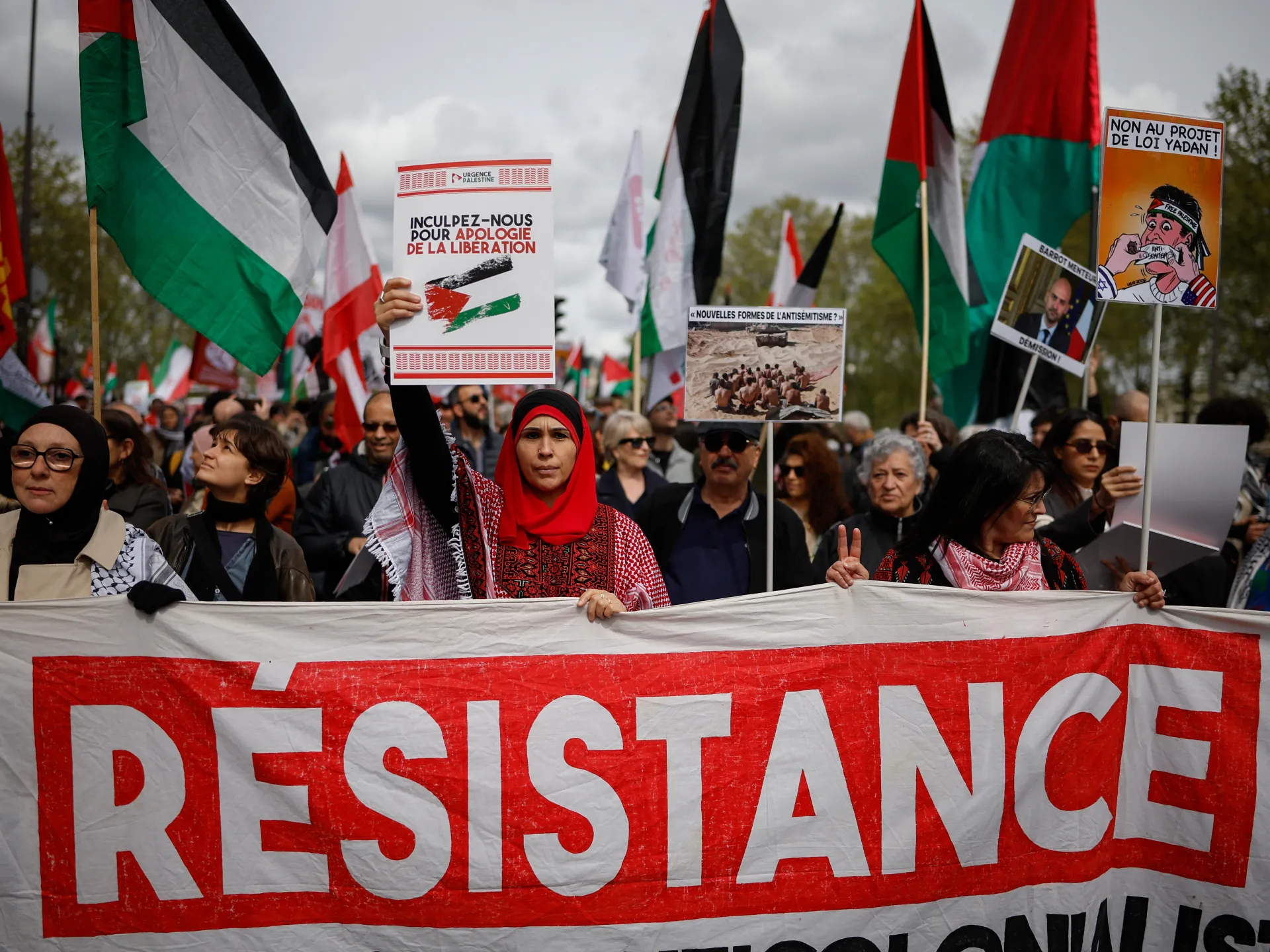

The recent protests in Paris, though focused on a proposed law concerning anti-Semitism, serve as a microcosm of the evolving geopolitical and socio-political landscape in the MENA region. While the specifics of the proposed legislation are being debated, the underlying anxieties regarding free speech and the expression of differing viewpoints resonate with broader concerns about regional stability and the potential for escalating tensions. The swift mobilization of opposition, evidenced by the surpassing of 660,000 signatures on a petition, underscores the significant cultural and political sensitivities at play.
Beyond the immediate political ramifications, this development highlights the increasing influence of sovereign capital and venture capital within the region. The mobilization of funds, whether through individual donations or institutional investments, demonstrates a growing awareness of the importance of safeguarding fundamental freedoms, even when operating within restrictive legal frameworks. This dynamic is further amplified by the increasing volume of venture capital flowing into media and technology sectors, creating platforms for diverse voices and perspectives. The ability of these sectors to foster open dialogue, even in the face of potential legislative constraints, is crucial for maintaining a vibrant and informed public discourse.
The broader implications extend directly to regional infrastructure and economic development. The debate surrounding free speech and potential restrictions on activism could have indirect consequences for the digital infrastructure that underpins much of the region’s progress. Increased scrutiny of online platforms and content moderation, while potentially intended to address concerns, could stifle innovation and limit the free flow of information – a critical element for attracting foreign investment and fostering a competitive business environment. Furthermore, the potential for social unrest, even if contained, necessitates robust cybersecurity and infrastructure resilience measures to mitigate disruptions to critical services.
Looking ahead, the interplay between these factors – sovereign capital backing digital initiatives, venture capital fueling innovation in media, and the geopolitical sensitivities highlighted by these protests – will continue to shape the future of the MENA region. Navigating these complexities requires a nuanced understanding of the evolving regulatory environment, the power of digital platforms, and the critical importance of fostering inclusive and open societies. Failure to do so risks undermining the region’s long-term economic and political stability, potentially hindering the progress towards sustainable development and regional integration.