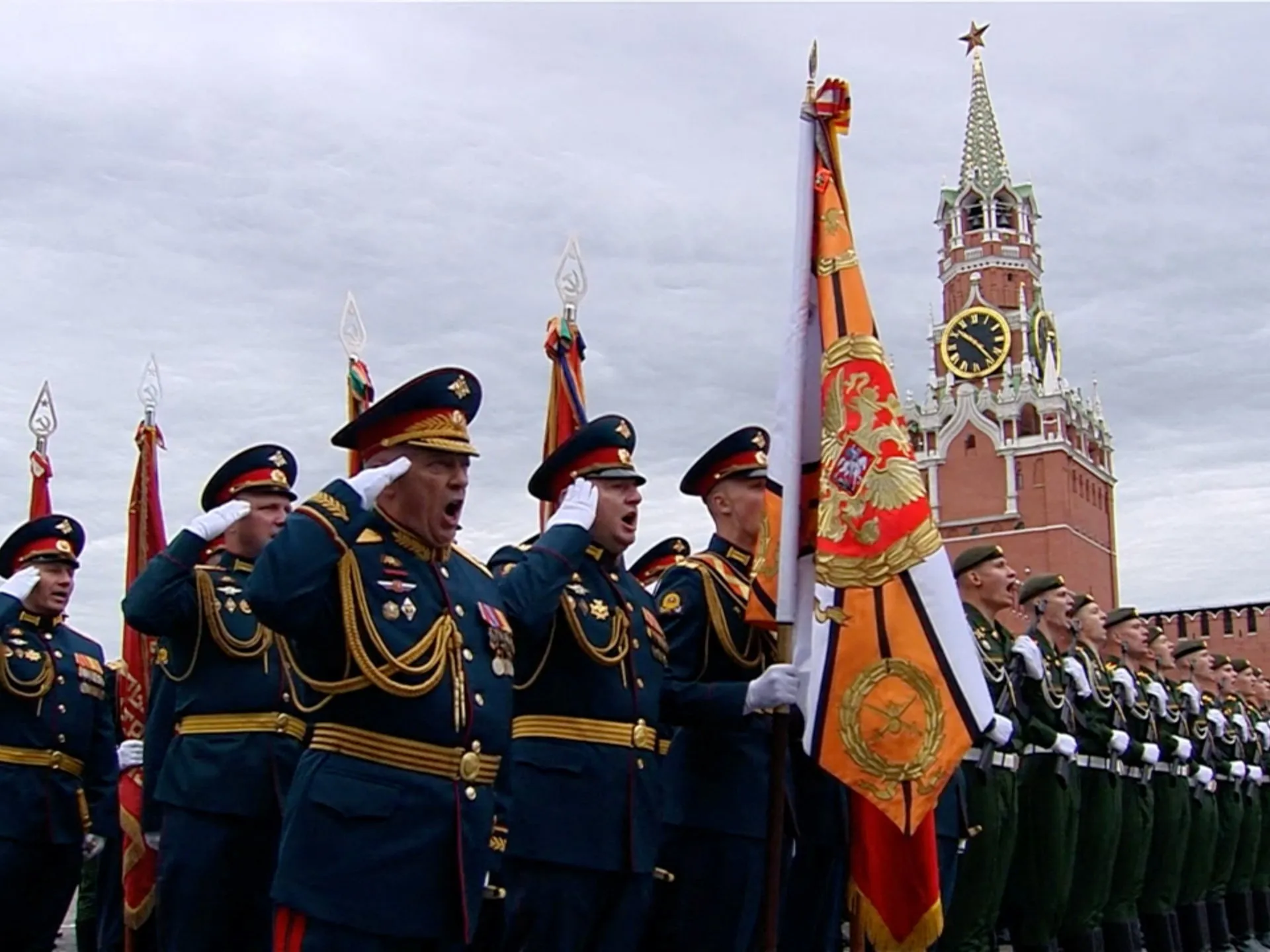

The scaled-back nature of Russia’s Victory Day parade, driven by security concerns in the context of its war in Ukraine, signals a strategic recalibration of geopolitical priorities with direct implications for the MENA region’s sovereign capital and business ecosystems. While the event itself is a domestic Russian affair, its broader repercussions are likely to reverberate across energy markets, trade corridors, and investment flows in the region. Sovereign capital in MENA nations, particularly those with significant Russian economic ties or exposure to energy dependencies, may face heightened volatility as geopolitical risk premiums adjust. Companies in sectors such as oil and gas, logistics, and infrastructure financing could experience tighter credit spreads or shifting regulatory risks, depending on how Russia’s energy export volumes or trade agreements are impacted. The absence of military displays, including tanks and missiles, may also reflect a broader aversion to overt militarism that could influence MENA policymakers’ approaches to regional security partnerships and defense spending.
Venture capital dynamics in the MENA region are poised to respond to the heightened geopolitical uncertainty. Investors may redirect focus toward sectors offering resilience against cross-border shocks, such as digital infrastructure, cybersecurity, and alternative energy solutions. The ripple effects of a potential shift in global trade alliances—should Russia’s isolation deepen—could spur MENA startups to pivot toward diversified markets, including the Gulf, Europe, or Asia-Pacific. Sovereign wealth funds in the region, tasked with optimizing returns amid macroeconomic instability, may accelerate investments in technology-driven sectors that decouple from traditional energy or defense-linked revenue streams. This environment could also prompt a reassessment of risk appetites in frontier markets, with VC funds adopting more segmented portfolios to mitigate exposure to politically volatile regions.
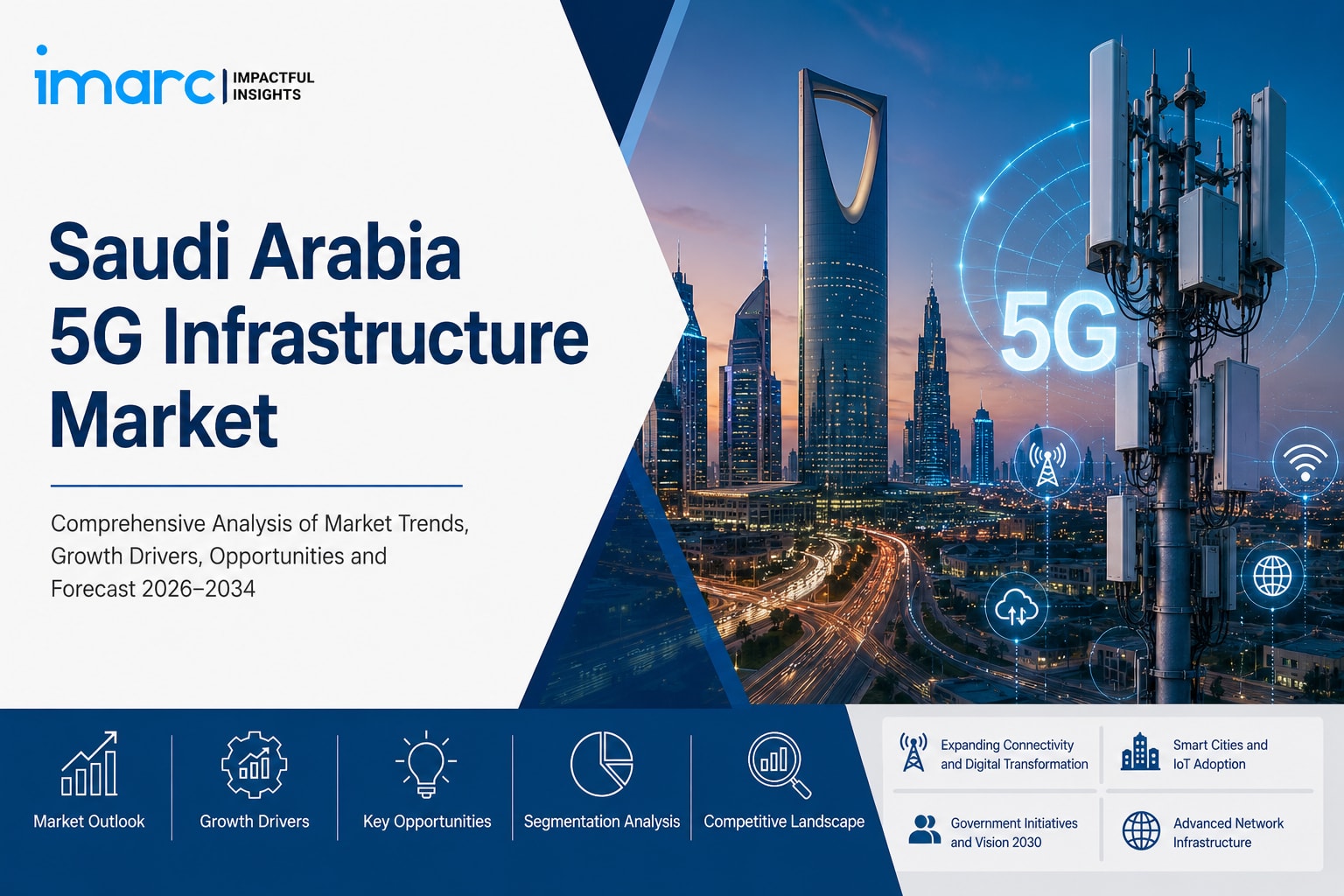
The infrastructure implications for MENA are multifaceted, hinging on both immediate security investments and long-term digital and economic transformations. The threat of disruptions—whether from Ukraine’s drone capabilities or potential regional spillovers—may accelerate investments in hardened critical infrastructure, including data centers, transportation networks, and border security systems. Meanwhile, the broader narrative of global de-risking could catalyze regional initiatives to localize tech ecosystems, reducing reliance on foreign suppliers. This might manifest in increased public-private partnerships for 5G rollouts, AI-driven logistics, or renewable energy projects, positioning MENA as a hub for innovation amid global uncertainty. However, the effectiveness of such investments will depend on the stability of sovereign fiscal frameworks, which could be strained by defense-related expenditures or energy price fluctuations tied to Russia’s strategic recalibration.