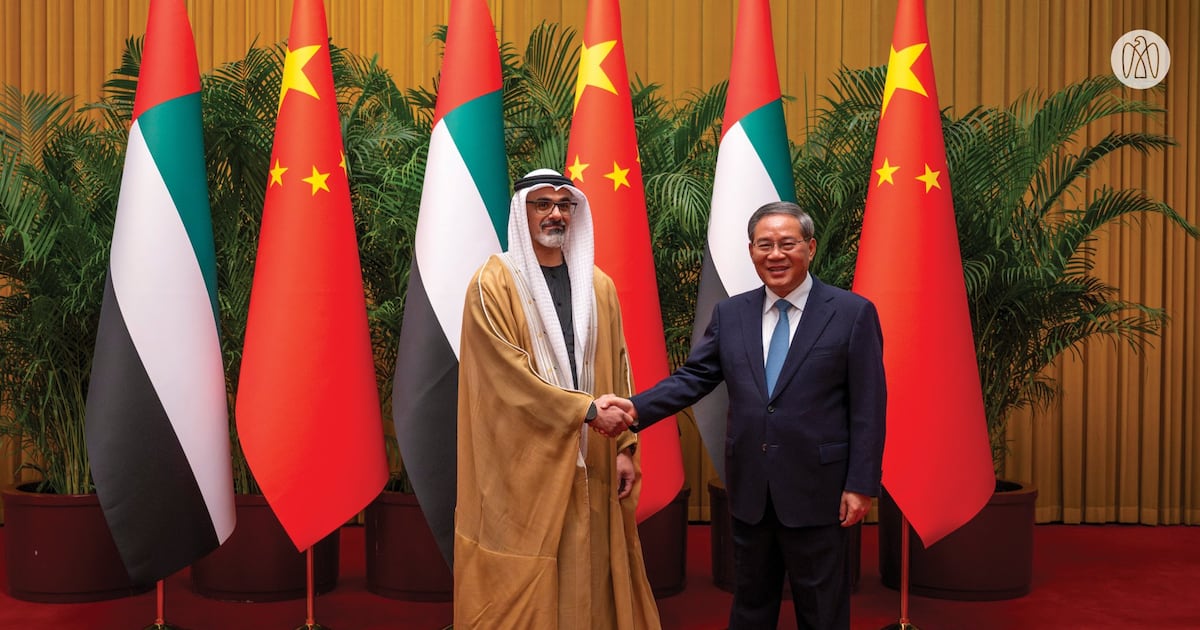

Sheikh Khaled bin Mohamed Al Qasimi’s recent delegation to Beijing underscores a strategic pivot by the United Arab Emirates to deepen financial and technological linkages with China, signalling a new wave of sovereign‑capital inflows into the MENA region. The visit, which included high‑level meetings with the People’s Bank of China, the China‑UAE Investment Promotion Agency and leading state‑owned enterprises, culminated in a series of memoranda of understanding (MoUs) aimed at channeling Chinese venture capital into Emirati fintech, renewable‑energy, and smart‑city projects. Analysts assess that the agreements could unlock upwards of $2 billion in co‑financing, a figure that would substantially augment the UAE’s sovereign wealth portfolio and diversify its asset base away from traditional hydrocarbon exposure.
Beyond the immediate capital injection, the trip is poised to reshape the region’s venture‑capital ecosystem. By leveraging the China‑UAE Innovation Fund, which the Sheikh chaired during the talks, Emirati start‑ups in artificial intelligence, blockchain and health‑tech are expected to gain preferential access to Chinese seed and series‑A investors. This cross‑border capital flow is likely to accelerate the maturation of home‑grown technology clusters in Abu Dhabi’s Masdar City and Dubai’s Dubai Internet City, positioning them as regional hubs that can compete with established Asian ecosystems. The alignment of Chinese “Belt‑and‑Road” infrastructure financing with Gulf sovereign funds also opens pathways for joint ventures in logistics, 5G rollout, and green‑hydrogen production.
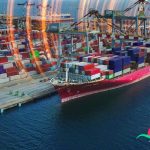
From an infrastructure perspective, the MoUs include commitments to co‑develop a high‑capacity maritime corridor linking the Port of Khalifa bin Zayed with China’s Yangshan Deep‑Water Port, as well as a pilot smart‑grid project in the Al‑Dhafra region powered by Chinese battery technology. These initiatives are expected to bolster the Gulf’s logistics throughput by an estimated 15 percent over the next five years, while reducing reliance on European energy imports. The synergistic blend of Chinese engineering expertise and Gulf sovereign financing is set to create a replicable model for large‑scale, capital‑intensive projects across the MENA corridor.
Overall, Sheikh Khaled’s diplomatic outreach signals a calculated infusion of foreign sovereign capital into the Middle East’s burgeoning tech and infrastructure sectors. By courting Chinese venture capital and state‑backed financing, the UAE is not only expanding its own investment horizon but also laying the groundwork for a more integrated, innovation‑driven regional economy. The long‑term impact will hinge on the execution of these agreements, yet the trajectory points toward a decisive shift in the balance of financing sources that could redefine the MENA investment landscape for the next decade.