
The proposed 1,000 MW nuclear power plant in Rarieda, Siaya County, represents a pivotal, high-stakes move for Kenya’s energy transition, with profound implications for sovereign capital allocation, regional infrastructure development, and broader business dynamics across East Africa. While the project aims to diversify Kenya’s energy mix beyond its traditional reliance on hydro, geothermal, and solar, its complexity underscores the critical need for stringent environmental safeguards, robust regulatory frameworks, and strategic partnerships. The $3.8 billion investment, backed by the Nuclear Power and Energy Agency (NuPEA) and local academic institutions, signals a growing appetite for nuclear energy in the region, yet it also highlights the delicate balance between economic ambition and environmental stewardship in a climate of heightened public scrutiny. As Kenya targets 6,638 MW of nuclear capacity by 2037 and 20,000 MW by 2040, the project’s success hinges on addressing risks such as radioactive waste management, community displacement, and the long-term sustainability of its operations.
The project’s financial architecture reveals the interplay between sovereign capital and venture capital in the MENA region. With the Kenyan government leveraging private sector funding to offset the KSh 500 billion ($3.8 billion) construction costs, the initiative reflects a broader trend of state-led infrastructure projects seeking to attract institutional investors amid limited domestic capital. However, the plant’s high-risk profile—exacerbated by opposition over environmental concerns and logistical challenges—poses a barrier to securing private equity, which typically favors projects with lower regulatory and operational uncertainties. This tension underscores the necessity for transparent stakeholder engagement, particularly with the Lake Region Economic Bloc (LREB) and local leaders, to build trust and ensure equitable benefits. The involvement of academic institutions like Jaramogi Oginga Odinga University of Science and Technology also highlights the potential for knowledge transfer, though the project’s long-term viability will depend on aligning with global nuclear safety standards and securing sustainable financing mechanisms.
Regionally, the plant’s development carries significant infrastructure and geopolitical ramifications. Its proximity to Lake Victoria necessitates careful planning to mitigate ecological risks, while the relocation from Kilifi due to public opposition underscores the importance of community buy-in for large-scale projects. The initiative aligns with Kenya’s Vision 2030 and the East African Community’s broader goals of energy security, but its success could set a precedent for nuclear adoption in neighboring countries like Uganda and Tanzania, where energy shortages and industrial growth demands persist. However, the project’s environmental and social challenges also raise questions about the feasibility of such investments in a region where resource scarcity and climate vulnerability remain pressing concerns. For the MENA region, which is increasingly exploring nuclear energy as a complement to renewables, Kenya’s experience offers a cautionary tale: without rigorous environmental impact assessments and inclusive governance, even well-intentioned projects risk exacerbating local inequities and undermining regional cooperation.
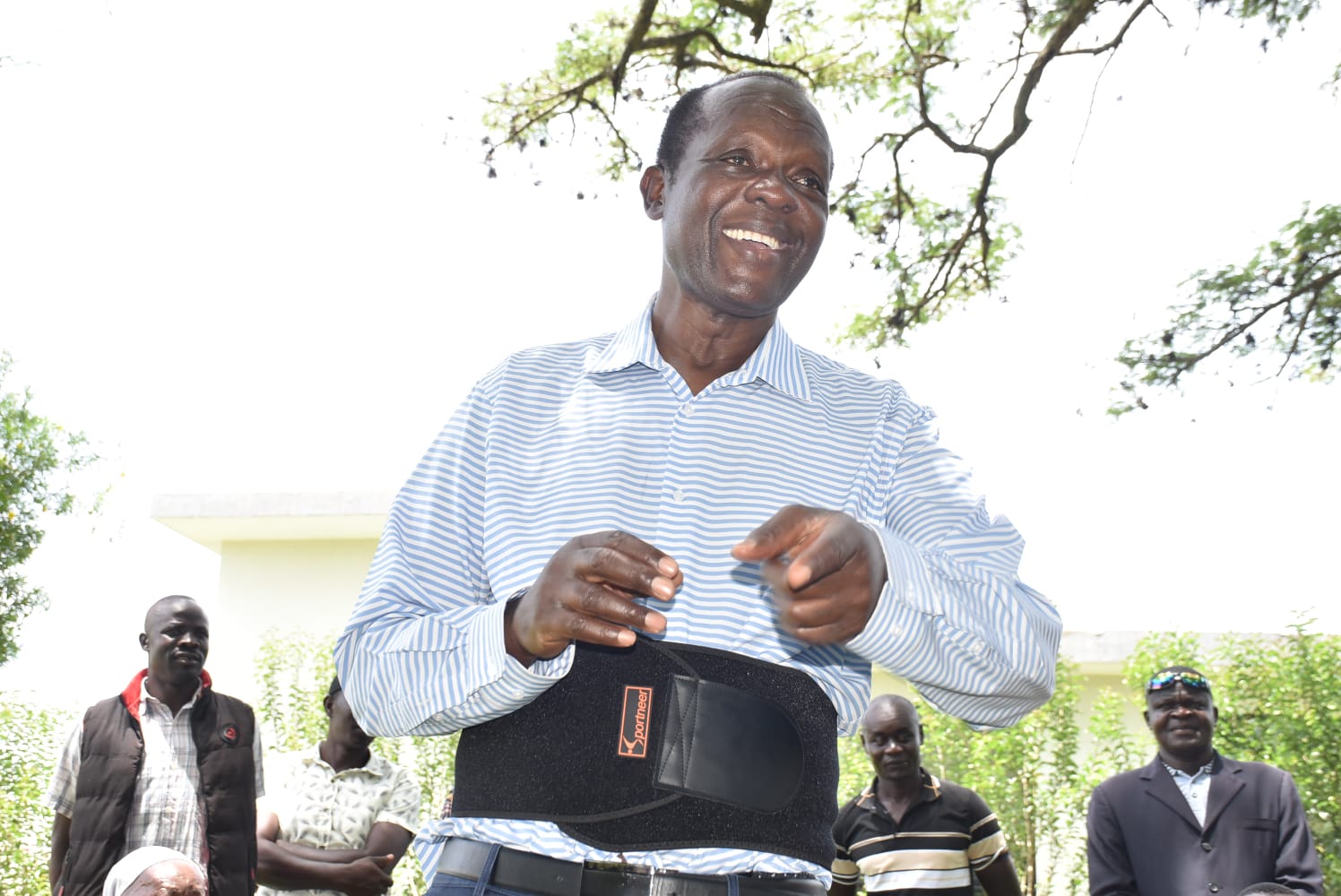
Ultimately, the Siaya nuclear project epitomizes the dual-edged nature of energy transition in the MENA region. While it promises to enhance Kenya’s energy independence and industrial competitiveness, its execution must navigate a complex web of economic, environmental, and social imperatives. The call for an expanded environmental impact assessment by Tuju and Orengo is not merely bureaucratic but a strategic imperative, ensuring that the project does not become a liability in a region already grappling with climate change and energy insecurity. For MENA’s policymakers and investors, the lesson is clear: nuclear energy’s potential must be harnessed through frameworks that prioritize sustainability, equity, and regional collaboration, or risk entrenching the very vulnerabilities these initiatives aim to resolve.