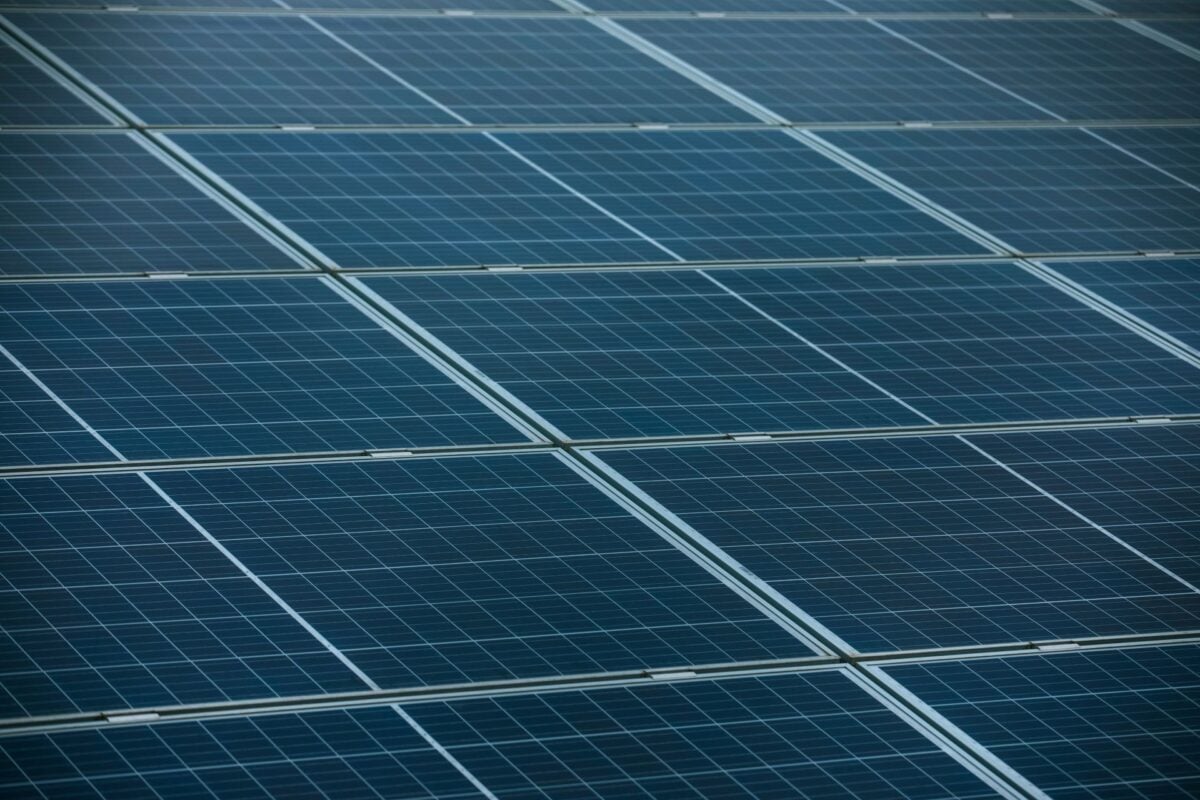

Solex’s recentmemorandum of understanding with the Gujarat state government to construct a 5 GW solar‑cell plant and a 10 GW battery energy storage system (BESS) marks one of the largest single‑site renewable manufacturing commitments in the region. The scale of the venture signals a strategic shift from project‑level development to full‑stack industrial capacity, positioning Gujarat as a potential export hub for solar modules and storage solutions that could meet the accelerating demand across the Middle East and North Africa (MENA). For MENA sovereign investors, the deal offers a tangible foothold in a high‑growth manufacturing ecosystem that aligns with regional decarbonisation roadmaps and the broader ambition to reduce reliance on imported clean‑energy technologies.
The involvement of Gujarat’s sovereign‐backed financing mechanisms—leveraging state‑owned capital, strategic subsidies, and tax incentives—creates a low‑risk, high‑certainty environment for large‑scale investors. This model mirrors the approach taken by Gulf sovereign wealth funds, which are increasingly allocating capital to de‑risked renewable infrastructure through joint‑venture structures and guarantee‑backed debt. The deal therefore serves as a template for sovereign capital to co‑invest in downstream projects, such as grid‑scale storage and transmission upgrades, that are critical for MENA’s intermittent solar and wind portfolios.
From a venture‑capital perspective, the MoU catalyses a new pipeline of investment opportunities across the technology stack, from advanced cell‑manufacturing equipment to intelligent BESS management platforms. MENA‑based VC firms, traditionally focused on early‑stage fintech and agritech, are likely to pivot toward deep‑tech cleantech funds that can participate in the economies of scale and intellectual‑property transfer associated with a 5 GW/10 GW facility. This shift could unlock capital from regional funds such as the Saudi Venture Capital Fund and the UAE’s Mubadala, fostering a more diversified financing ecosystem for renewable manufacturing.
The ripple effects on regional infrastructure are equally profound. A Gujarat‑based solar‑cell and BESS cluster will stimulate demand for ancillary services—raw material processing, logistics, water‑intensive cooling, and grid integration—creating a catalyst for related industrial parks and smart‑grid development. For MENA countries, replicating this model could accelerate the build‑out of dedicated renewable manufacturing zones, reduce import dependence, and lower the cost of capital for downstream storage and transmission projects, thereby enhancing the region’s overall energy security and economic diversification trajectory.