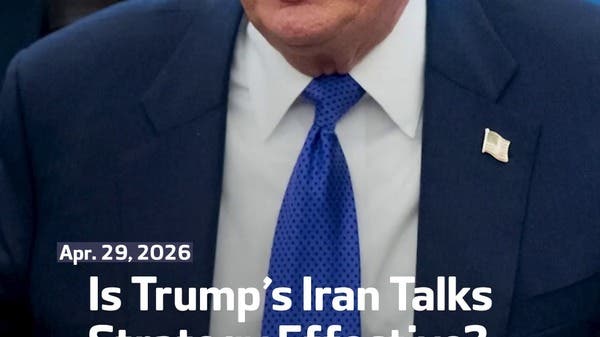

Trump’s renewed overtures to Tehran, framed as “maximum pressure” turned diplomatic engagement, are reshaping the investment calculus across the Middle East and North Africa. By signaling a potential de‑escalation of sanctions, the administration has injected a modest but consequential uplift in sovereign risk premia for Iran, prompting a tentative re‑allocation of regional sovereign wealth fund (SWF) portfolios toward Iranian infrastructure bonds and energy projects. The prospective easing of U.S. secondary sanctions on the Tehran Stock Exchange could also unlock a pipeline of cross‑border financing, enabling Saudi and Emirati SWFs to diversify away from over‑exposed oil‑centric assets and to tap Iran’s under‑utilised logistics network.
Venture capital firms with a foothold in the Gulf are closely monitoring the diplomatic signal, as any reduction in transaction costs and legal uncertainty would expand the addressable market for fintech, clean‑energy, and agritech startups in Iran’s $2 trillion economy. Early‑stage funds such as BECO Capital and Wadi Makkah are already structuring “sanction‑compliant” vehicles to capture a nascent pipeline of Iranian unicorns, while global limited partners are revisiting allocation caps to the region in light of the potential upside. The spill‑over effect could also revive stalled joint‑venture pipelines between Iranian research institutes and Israeli‑UAE tech incubators, amplifying the region’s overall innovation quotient.
On the macro‑infrastructure front, the prospect of a diplomatic thaw is prompting a re‑evaluation of multilateral financing structures. The World Bank and Asian Infrastructure Investment Bank have signalled readiness to co‑finance cross‑border rail, gas‑pipeline, and port projects linking Iran’s Central Persian Gulf corridor with the Gulf Cooperation Council (GCC) logistics hub network. Such projects would not only unlock trade routes that bypass the Strait of Hormuz but also provide a tangible revenue base for Iran’s struggling fiscal position, reducing its reliance on hydrocarbon exports and stabilising its balance‑of‑payments outlook.
Nevertheless, the business case remains contingent on concrete policy outcomes. Until the United States translates diplomatic rhetoric into a definitive sanctions waiver, sovereign investors and venture capitalists will maintain a cautious “wait‑and‑see” stance, calibrating exposure through contingent‑convertible instruments and political‑risk insurance. The ultimate impact on regional capital flows will hinge on the durability of any breakthrough, the clarity of the regulatory environment, and the ability of Iranian authorities to implement structural reforms that meet the expectations of international financiers.