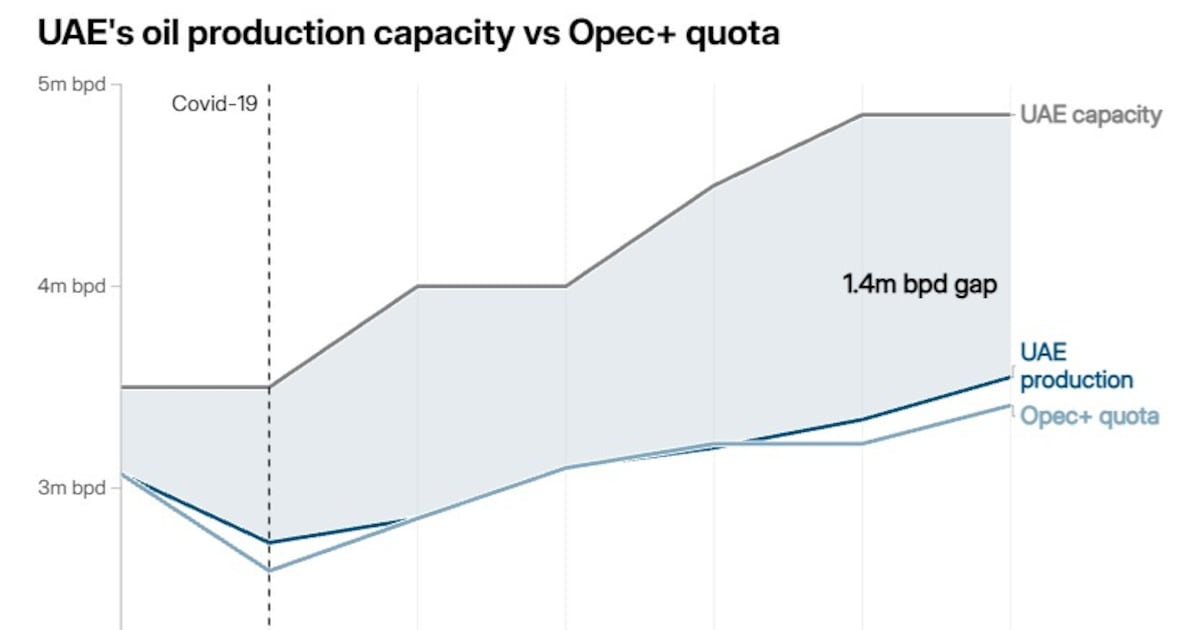

The fracture between Abu Dhabi and Riyadh is no longer a diplomatic sidebar but a structural fault line recalibrating capital allocation and alliance architecture across the Middle East and North Africa. The UAE’s formal departure from OPEC+ transcends output policy; it signals sovereign wealth assertiveness designed to monetize volume flexibility while higher-value decarbonization and technology portfolios absorb incremental capital. For Gulf sovereign balance sheets, the divergence reframes risk: Saudi Arabia leverages scale through legacy hydrocarbon cash flows and debt-funded giga-projects, whereas Abu Dhabi is pivoting to a modular, liquidity-first model that protects AUM from political drag. The net effect is a fragmentation of regional energy pricing benchmarks and investment mandates that will force multinationals and sovereign investors to underwrite two competing operational blueprints rather than one integrated Gulf strategy.
Venture and growth capital are already bifurcating along these fault lines. Abu Dhabi’s ecosystem—anchored by Mubadala and ADQ—has entrenched itself in deep-tech, fintech, and logistics platforms that serve as extra-regional connectors into Europe, South Asia and Africa, prioritizing minority stakes with high free float and rapid exit visibility. Riyadh counters with scale-first deployment through the Public Investment Fund, channeling hundreds of billions into domestic champions and moonshot tourism and mobility assets that lock in regional optionality at the cost of granular governance. The consequence is a two-tier venture market: Dubai and Abu Dhabi hubs attracting seed-to-Series B liquidity for cross-border platform plays, while Riyadh draws late-stage and sovereign co-investment targeting continental infrastructure monopolies from ports to data corridors. This separation compresses deal flow for GCC startups and raises the bar for unit economics, as founders must navigate dual regulatory and sponsorship regimes.
Infrastructure strategy now reflects sovereign competitive postures more than collective security doctrine. From the Red Sea to the Gulf of Aden, dual logistics and port networks—Saudi Arabia’s land-bridge and NEOM-integrated corridor versus UAE’s maritime-centric free zones and African port holdings—are competing to intermediate Eurasian trade, creating redundant yet strategically resilient pathways. The Houthi campaign has accelerated this bifurcation, hardening supply-chain insurance premia and directing capex toward missile defense, digital freight clearance, and overland redundancy. For North African gateways and Red Sea littoral states, the schism presents a rare arbitrage: MENA sovereigns and pan-African funds can extract concessions by offering parallel access to both capital pools, but sustained fragmentation risks inflating project finance costs and diluting collective security dividends. In this new equilibrium, capital discipline supersedes political cohesion, and the region’s stability will be priced by liquidity premiums rather than declaratory alliances.