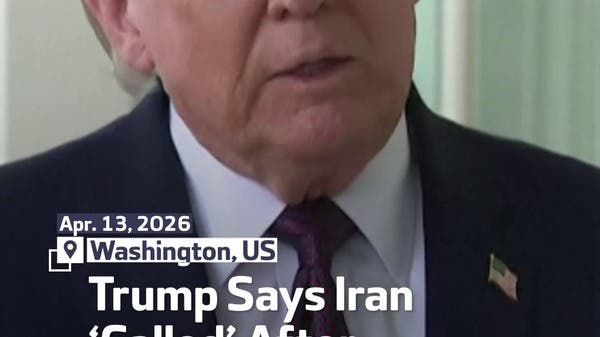

Recent reports indicating direct communication between the United States and Iran, following the breakdown of recent diplomatic talks, carry significant implications for the Middle East and North Africa economic landscape. While the specifics of these communications remain opaque, their mere existence suggests a persistent, albeit indirect, channel for managing regional volatility. For sovereign wealth funds across the region, this development introduces a renewed layer of complexity in investment strategies, particularly concerning exposure to countries with close ties to Iran or those heavily impacted by regional conflicts. The potential for shifts in geopolitical stability, even without overt conflict, can trigger substantial capital reallocations and influence long-term investment horizons within the MENA region.
The business impact extends beyond financial markets to critical regional infrastructure projects. The uncertainty stemming from these diplomatic maneuvers could potentially disrupt ongoing or planned investments in energy, transportation, and telecommunications. Companies operating within or seeking to invest in countries with significant Iranian influence face heightened due diligence requirements and increased risk assessments. Furthermore, the possibility of renewed tensions could impede cross-border trade and investment flows, hindering the economic diversification agendas pursued by several MENA nations. The long-term implications for infrastructure development, a cornerstone of regional economic growth, hinge on the evolving dynamics of US-Iran relations and their ripple effects on regional stability.
Venture capital activity in the MENA region, already navigating a challenging global economic environment, will likely be influenced by this renewed diplomatic engagement. Increased geopolitical uncertainty can dampen investor sentiment, leading to a slowdown in funding rounds, particularly for ventures operating in sectors sensitive to regional instability. Conversely, opportunities may emerge in areas focused on resilience, cybersecurity, and alternative energy – sectors seen as vital for mitigating risks associated with heightened geopolitical tensions. The ability of MENA-based startups to attract international investment will be contingent on perceived stability and the clarity of future policy directions emanating from both Washington and Tehran. Sovereign capital, a major driver of VC investment in the region, may adopt a more cautious approach, prioritizing risk mitigation and strategic alignment.
Ultimately, the evolving relationship between the US and Iran underscores the interconnectedness of geopolitical stability and regional economic prosperity in the MENA region. While direct talks may have faltered, the potential for future communication necessitates a proactive approach from regional stakeholders. This includes robust risk management strategies for sovereign wealth funds, a heightened focus on infrastructure resilience, and a nuanced perspective from venture capital investors. The ability of MENA nations to navigate this complex geopolitical environment will significantly influence their economic trajectory and their capacity to realize their long-term development aspirations. The situation warrants careful monitoring and strategic adjustments across all sectors of the regional economy.