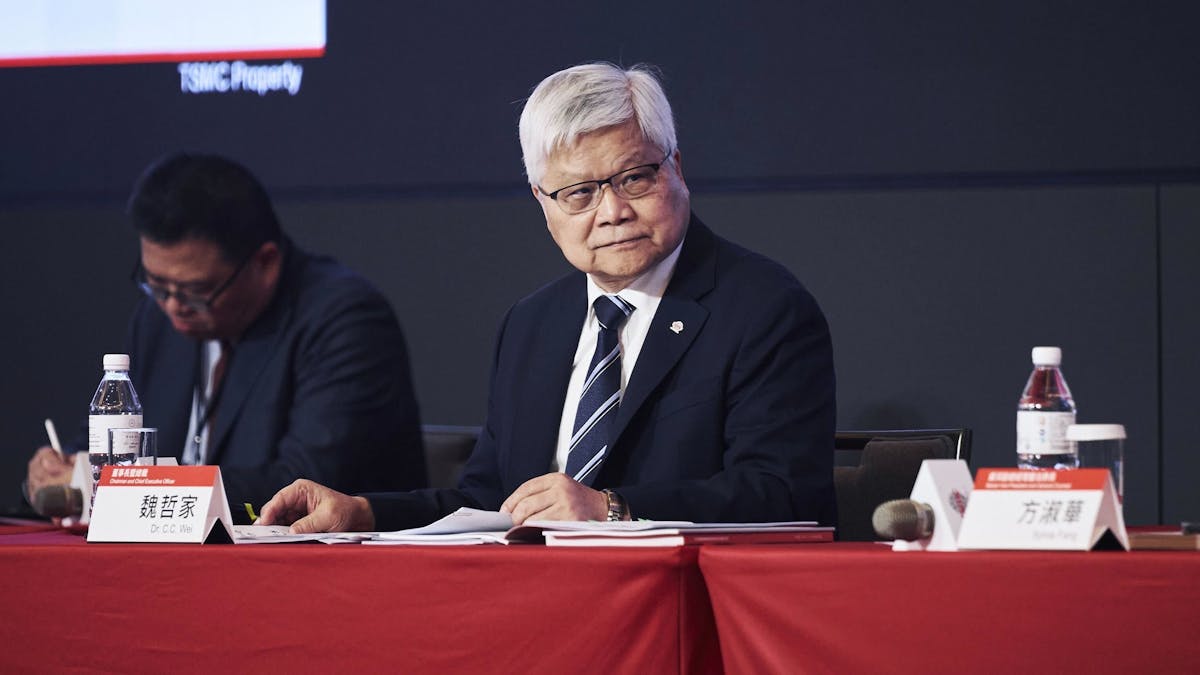

The robustQ1 earnings of Taiwan Semiconductor Manufacturing Co., with a 40.6% revenue surge and a full‑year growth outlook exceeding 30%, underscore a pivotal inflection point for the artificial intelligence supply chain. For the Middle East and North Africa (MENA), this development reverberates far beyond the Taiwan Strait, illuminating the region’s strategic alignment with sovereign capital as it seeks to embed itself within the global semiconductor ecosystem. Governments in Saudi Arabia and the United Arab Emirates are accelerating investment pipelines that channel billions of dollars from sovereign wealth funds—Mubadala, PIF, and ADQ—into advanced wafer‑fab capabilities and AI‑focused infrastructure, thereby mitigating supply‑chain vulnerabilities and securing preferential access to next‑generation logic chips.
Venture capital inflows into MENA’s AI and deep‑tech startups are accelerating in tandem with sovereign‑driven incentives, as regional funds increasingly prioritize entities that can anchor localized data centers, AI‑compute clusters, and high‑bandwidth connectivity. The surge in demand for AI‑enabled services—ranging from autonomous logistics to predictive finance—has spurred sovereign‑capital‑backed initiatives such as Saudi Arabia’s “AI National Strategy” and the UAE’s “Dubai AI Lab,” which collectively position the bloc as a magnet for international venture partners seeking high‑growth, high‑margin opportunities within a geo‑strategically curated environment.
Infrastructure rollouts are now synchronized with capital deployment, as sovereign entities coordinate the construction of AI‑ready data centers, 5G‑enhanced edge computing nodes, and dedicated semiconductor fabs. These projects are not merely additive; they are engineered to create synergies between sovereign‑owned cloud platforms and regional venture ecosystems, thereby reducing latency, enhancing data sovereignty, and fostering a virtuous cycle of technology transfer that accelerates the commercialization of AI‑driven products across the Middle East and North Africa.
Consequently, the ripple effect of TSMC’s earnings momentum amplifies a broader narrative: MENA’s deliberate orchestration of sovereign capital, venture funding, and infrastructure investment is reshaping the region into an emergent hub for AI‑centric semiconductor and data‑services value chains. This convergence promises not only to elevate the competitive positioning of regional economies but also to attract a new cohort of multinational corporations seeking to anchor their AI pipelines in a jurisdiction that uniquely blends policy foresight with capital intensity.