
The ongoing instability stemming from the recent escalation between the United States and Iran presents a significant and multifaceted challenge to the broader geopolitical and economic landscape of the Middle East and North Africa. While direct military conflict has been averted, the deep-seated mistrust and fractured diplomatic channels are creating ripple effects with potentially devastating consequences for regional stability and investment flows. The imposition of a blockade on Iranian ports, following the collapse of negotiations, underscores the severity of the situation and highlights the fragility of any potential de-escalation.
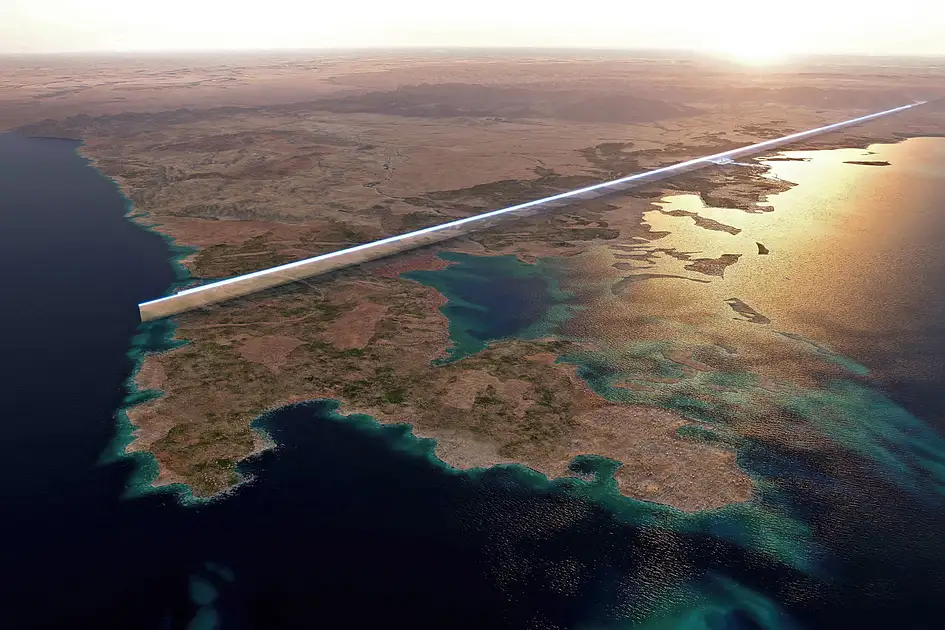
From a sovereign capital perspective, the heightened risk premium associated with the conflict is already impacting investment decisions across the region. Traditional sources of sovereign wealth, particularly those reliant on oil revenues, are exhibiting increased volatility. Simultaneously, there’s a demonstrable shift towards diversification strategies, with nations like Saudi Arabia and the UAE accelerating their efforts to attract foreign direct investment into sectors beyond hydrocarbons. This includes a renewed focus on technology and infrastructure, driven by the need to mitigate geopolitical risk and foster economic resilience. Venture capital firms are closely monitoring the situation, with a notable increase in investment in cybersecurity, critical infrastructure, and alternative energy – sectors deemed less vulnerable to direct conflict and more aligned with long-term strategic goals.
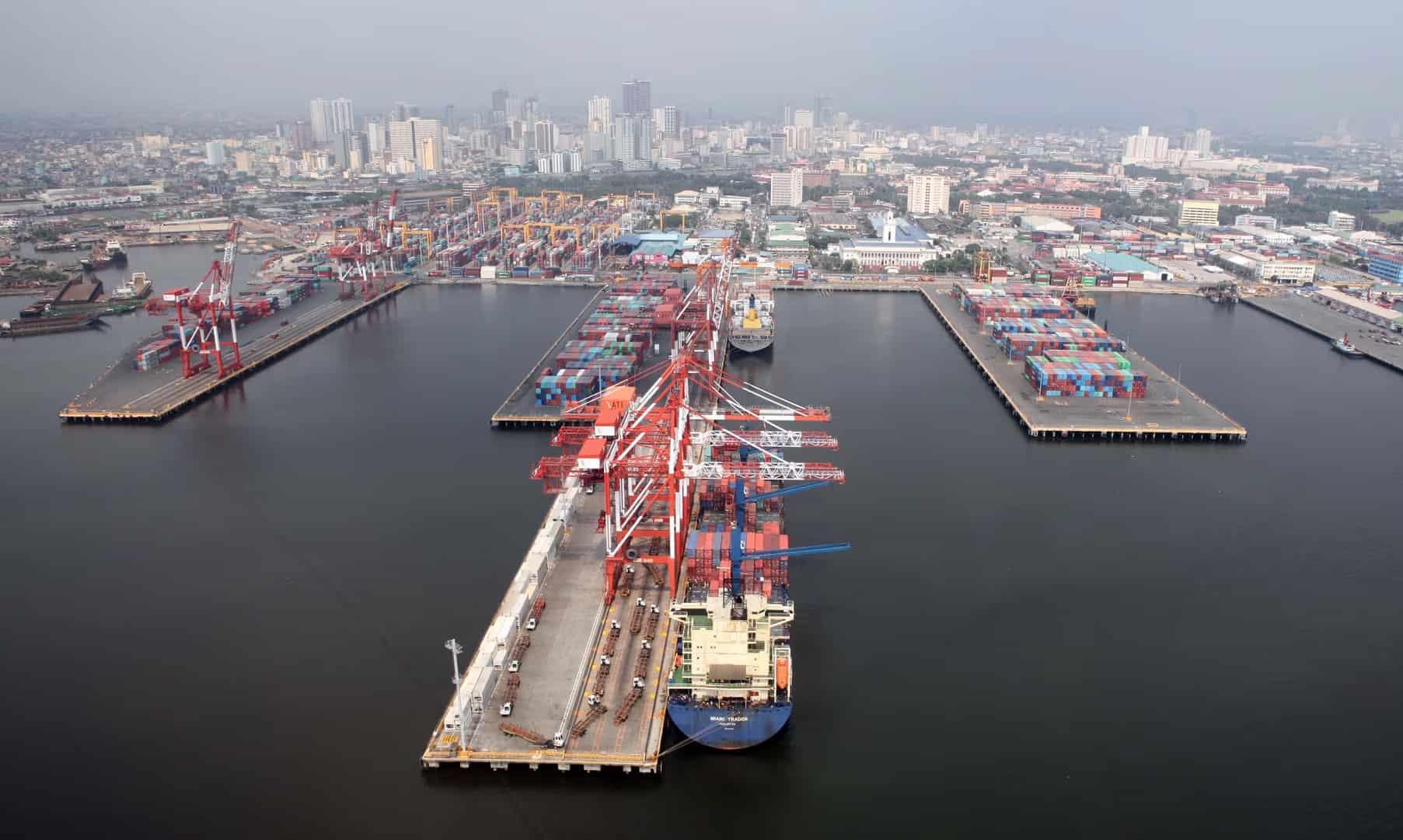
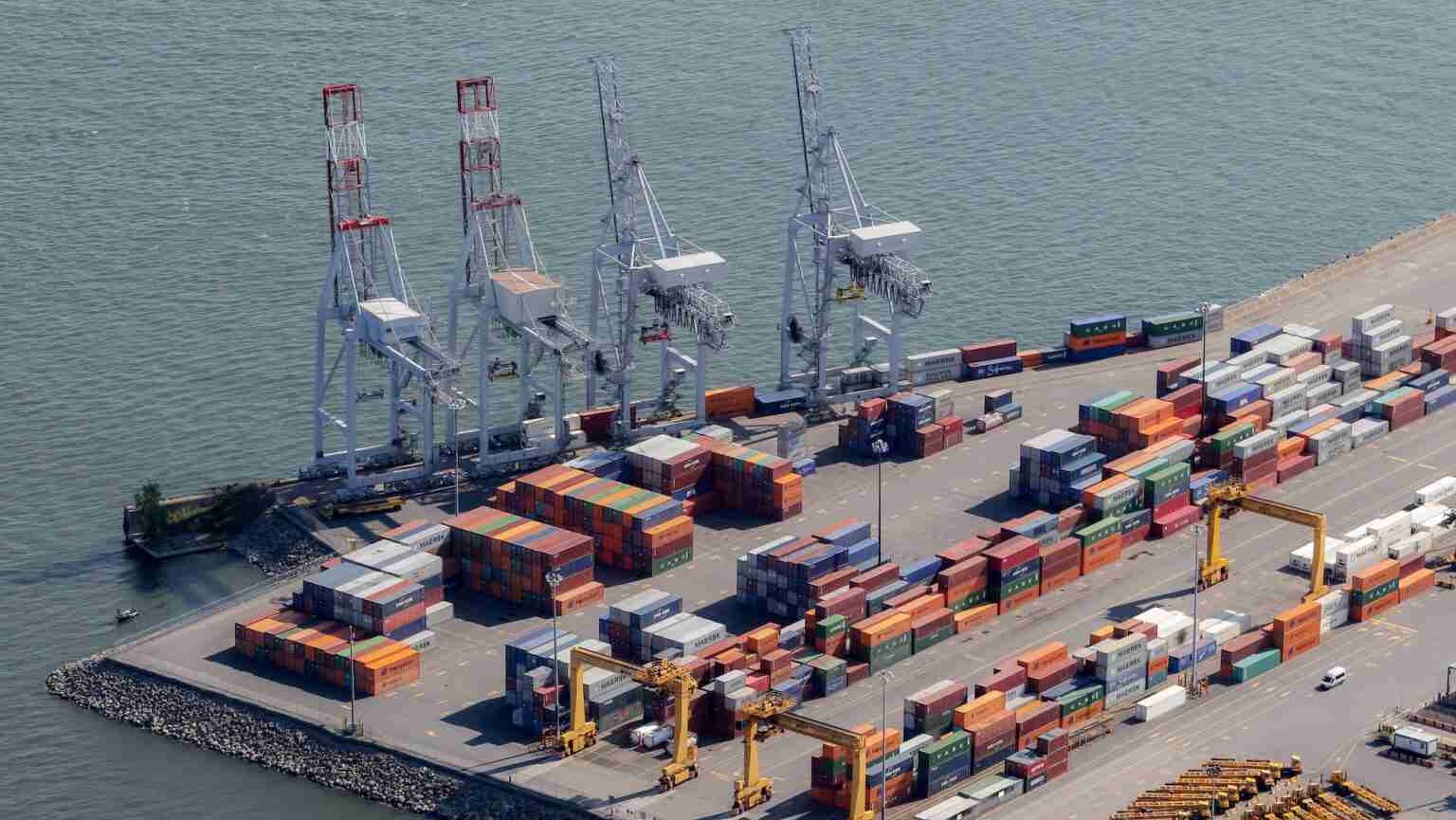
The infrastructural implications are equally profound. The conflict has exposed vulnerabilities in regional logistics networks and energy supply chains. Disruptions to maritime trade routes, particularly those vital for Iranian exports, are already impacting global commodity prices and creating inflationary pressures. Furthermore, the need for enhanced border security and the potential for further military action necessitate significant upgrades to transportation and communication infrastructure. However, this presents a critical opportunity for nations with advanced technological capabilities – both within the region and internationally – to provide solutions, driving demand for digital infrastructure, satellite communications, and secure data networks. The potential for increased investment in renewable energy sources, spurred by geopolitical uncertainty and a desire for energy independence, is also accelerating, requiring substantial upgrades to grid infrastructure and energy storage capacity.
Ultimately, the protracted uncertainty surrounding US-Iran relations is acting as a significant drag on the region’s economic prospects. The potential for escalation, coupled with the ongoing instability, is deterring both domestic and foreign investment. Regional sovereign wealth funds are re-evaluating their portfolios, prioritizing risk mitigation and seeking opportunities in sectors less exposed to geopolitical volatility. Successful navigation of this period will hinge on the ability of regional leaders to foster dialogue, promote economic diversification, and leverage technological innovation to build more resilient and sustainable economies – a challenge demanding a coordinated and strategic approach across the MENA landscape.