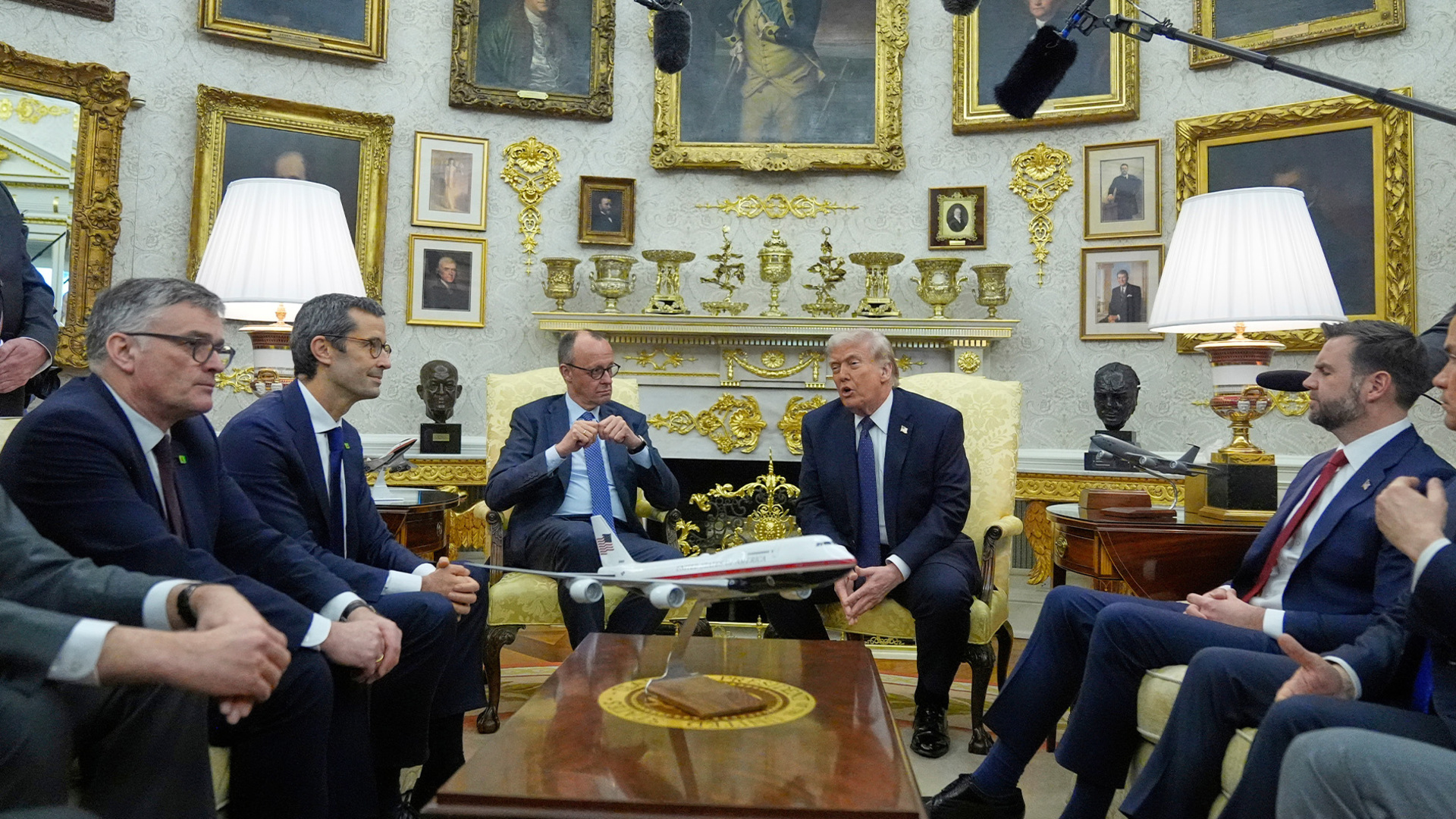

The reported tensions between the United States and Germany, stemming from President Trump’s threat to withdraw troops from German bases following Chancellor Merz’s criticism of Iranian policy, present a complex geopolitical and economic challenge for the Middle East and North Africa (MENA) region. While the immediate focus is on transatlantic relations, the potential ramifications for regional security, sovereign wealth fund (SWF) investment strategies, and the burgeoning venture capital (VC) ecosystem within the MENA region warrant careful consideration.
A significant US troop withdrawal from Germany would likely trigger a reassessment of US military posture in Europe and, crucially, the Middle East. This could lead to increased pressure on regional allies, particularly Saudi Arabia and the UAE, to assume greater responsibility for security commitments. We anticipate a heightened focus on bolstering indigenous defense industries, potentially accelerating existing trends of increased military spending and procurement within the Gulf Cooperation Council (GCC). Furthermore, the uncertainty surrounding US commitment could spur greater regional cooperation, albeit potentially along existing fault lines, as nations seek to mitigate perceived security gaps. Sovereign wealth funds, particularly those with mandates focused on strategic investments, will likely scrutinize the evolving geopolitical landscape and adjust their asset allocation accordingly, potentially favoring assets perceived as less vulnerable to US foreign policy shifts.
The impact on the MENA venture capital landscape is more nuanced. While a more volatile geopolitical environment generally discourages risk-taking, the potential for increased regional defense spending could create opportunities for VC firms specializing in cybersecurity, artificial intelligence, and related technologies. However, the broader economic uncertainty stemming from transatlantic tensions could dampen overall investor sentiment and slow the pace of deal-making. We expect a flight to quality within the VC space, with investors prioritizing established, profitable companies over early-stage ventures. The role of regional SWFs in providing anchor capital for VC funds will become increasingly critical in navigating this period of uncertainty.
Finally, the infrastructure implications are considerable. A US troop withdrawal necessitates a logistical overhaul, potentially impacting existing agreements regarding military bases and supply chains within the region. This could create opportunities for regional infrastructure development, particularly in areas related to logistics and transportation, but also raises concerns about the potential for increased military presence by other global powers. The long-term impact will depend on the ultimate resolution of the US-German dispute and the subsequent adjustments to US foreign policy in the MENA region. We are closely monitoring developments and advising clients to adopt a cautious, scenario-planning approach to investment and strategic decision-making.