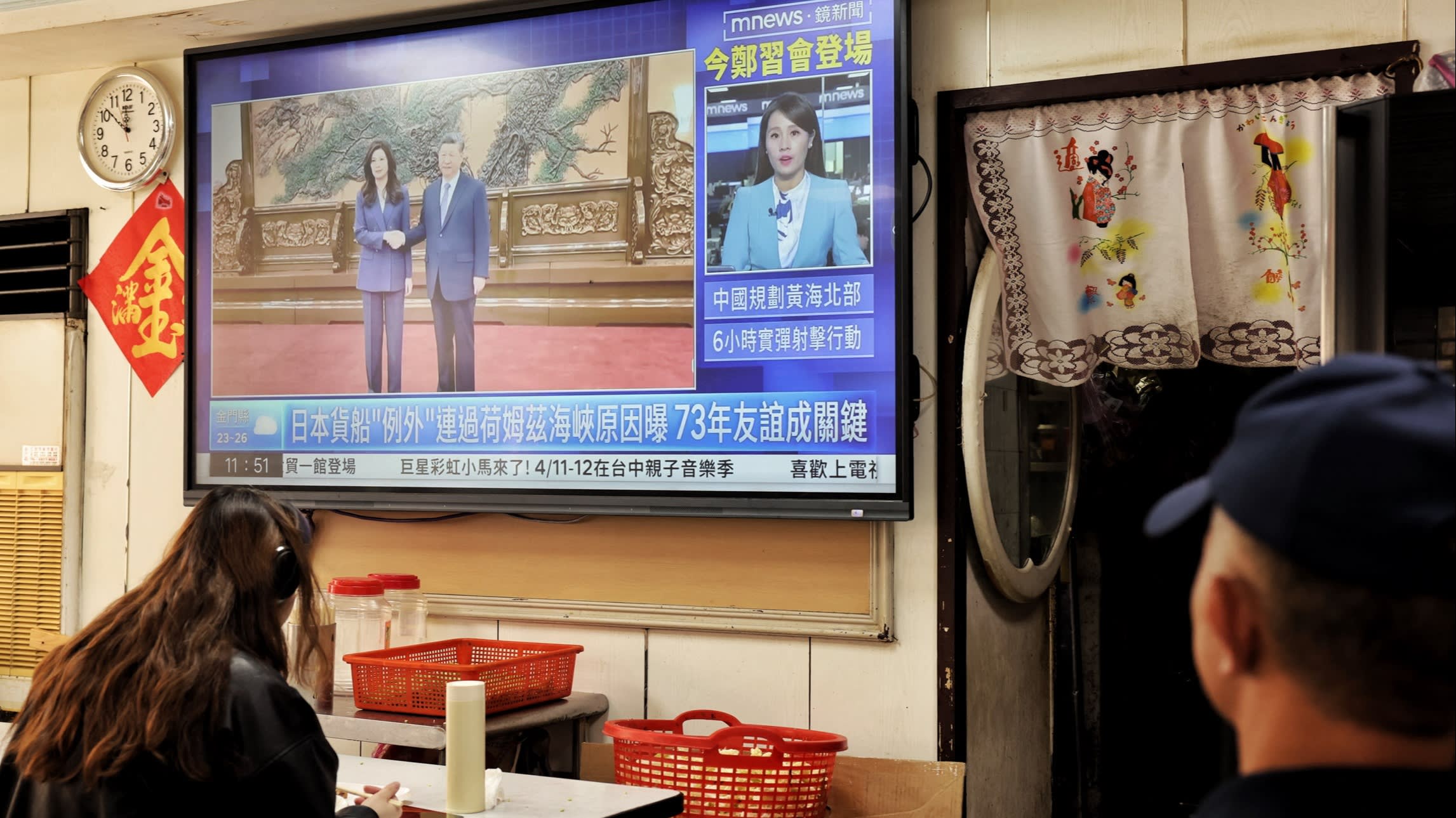

The recent meeting between the Middle East and North Africa (MNA) regional stakeholders and China’s President, marking a diplomatic engagement not seen in over a decade, signals a strategic recalibration in international relations. While the gathering itself is politically symbolic, its commercial repercussions extend far beyond ceremonial exchanges. For the MNA region, this resurgence of Sino-Arab engagement carries significant implications for sovereign capital flows, particularly as China continues to position itself as a major infrastructure lender and investor in areas where Western financial institutions have shown declining interest. The prospect of increased Chinese state-backed financing for energy and telecommunications projects could catalyze a shift in regional capital allocation, compelling local sovereigns to reassess their portfolio diversification strategies amid geopolitical volatility. However, such alignment may also attract scrutiny from Western partners, who remain cautious about long-term dependencies on non-Western state capital.
Venture capital dynamics in the MNA are poised to feel the ripple effects of this diplomatic overture. China’s growing emphasis on technology-driven investments, particularly in fintech, artificial intelligence, and green energy, aligns with several MNA economies seeking to transition from hydrocarbon reliance. This convergence could attract Chinese venture firms to the region, potentially reshaping local startup ecosystems. However, the influx of state-backed investment may crowd out domestic venture capital firms, which have traditionally served as critical accelerators for early-stage innovation. Moreover, the regulatory frameworks governing foreign capital in sectors like data privacy and digital infrastructure remain underdeveloped in many MNA jurisdictions, posing operational risks for both local and foreign investors. The region must therefore navigate a delicate balance between attracting foreign capital and preserving entrepreneurial agility.
On infrastructure, the meeting underscores an urgent need for MNA states to modernize regional networks to accommodate emerging economic partnerships. China’s historical investments in high-speed rail, port development, and digital connectivity frameworks present a blueprint for infrastructure planning in the region. Yet, the sustainability and scalability of such projects remain contentious, particularly in countries lacking cohesive national investment strategies. The region’s infrastructure demand—spurred by demographic growth, urbanization, and the need for digital transformation—requires a dual approach: public-private partnerships that leverage multilateral capital without compromising sovereign control over strategic assets. This necessitates a reevaluation of local regulatory architectures to ensure long-term viability and minimize debt overhangs. The time for incremental progress has passed; systemic, forward-looking infrastructure investment is now imperative to retain sovereignty over economic destiny.