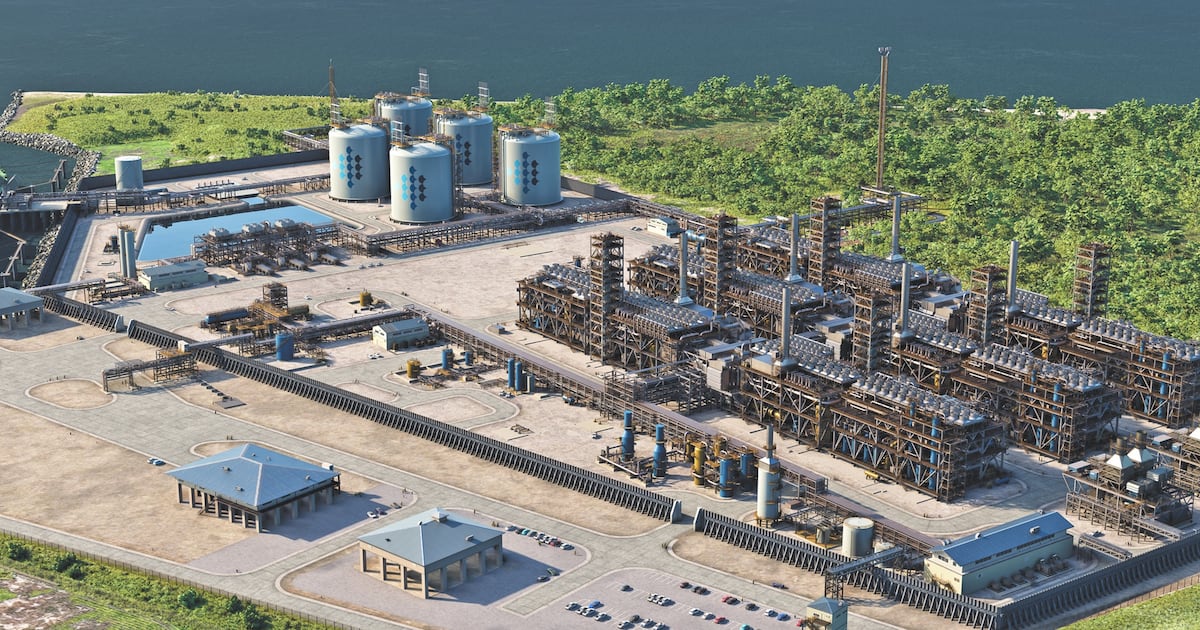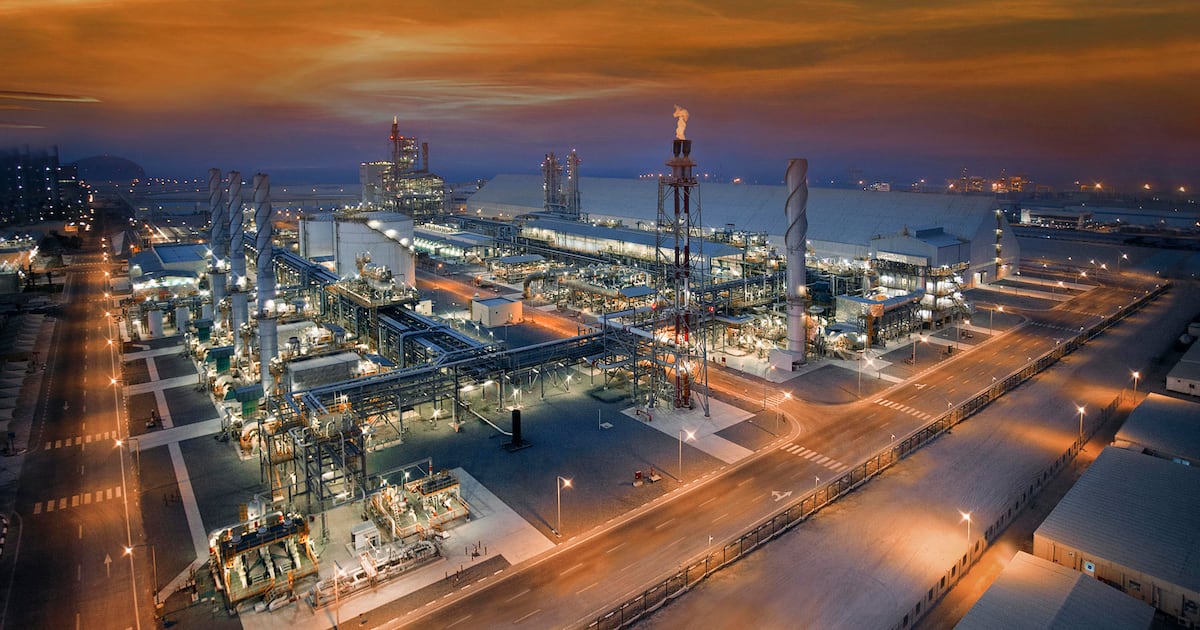

The $10 billion first phase of Abu Dhabi‑based Taziz’s integrated chemicals hub is proceeding on schedule despite the fallout from the Iran‑U.S.-Israel conflict, with the 1 mtpa ammonia plant now in its final construction stage. The flagship complex, a joint venture between ADNOC and ADQ, couples three flagship downstream units—ammonia, methanol (1.8 mtpa) and a PVC complex (1.9 mtpa)—with a dedicated port, terminal and a centralized utilities plant co‑owned by ADNOC and TAQA. Completion is slated for 2028, at which point the site will deliver 4.7 mtpa of chemicals, markedly expanding the UAE’s domestic feedstock base and mitigating reliance on imported PVC, which currently totals 150‑200 ktpa.
From a sovereign capital perspective, the project underscores the UAE’s strategy of deploying state‑backed financing to secure high‑value, export‑oriented value chains. Taziz’s methanol venture with Proman secured a $2 billion loan syndication from a consortium of regional, European and Asian banks, signalling strong confidence in the bankability of large‑scale petro‑chemical assets even amid geopolitical turbulence. Parallel offtake and feedstock contracts valued at $28.5 billion—with partners such as Mitsubishi, Sanmar, Tricon, Vinmar and Emirates Global Aluminium—lock in long‑term revenue streams and provide a hedge against market volatility, reinforcing the UAE’s ambition to become a net exporter of transition fuels like ammonia and methanol to energy‑intensive markets in Asia.
The infrastructure outlay extends beyond the process plants. The new port and utility hub will create a logistical backbone that can service a broader industrial ecosystem in Al‑Ruwais and beyond, attracting downstream manufacturers and enabling circular‑economy initiatives. By supplying caustic soda to EGA and securing gas feedstock from ADNOC Gas, Taziz is weaving together the nation’s energy, aluminium and construction sectors, fostering a domestic supply chain that reduces import exposure and enhances resilience.
For venture capital and private‑equity investors eyeing the MENA transition, Taziz’s model offers a template for scaling capital‑intensive, export‑driven projects with sovereign backing. The successful closing of multi‑billion‑dollar financing and the breadth of international offtake agreements demonstrate that large‑scale chemical and renewable‑energy assets can achieve commercial viability in the region. As Taziz pledges further portfolio expansion, the project is likely to catalyse additional private capital inflows, spur ancillary industrial parks, and cement the Gulf’s role as a strategic hub for global chemicals and clean‑energy feedstocks.