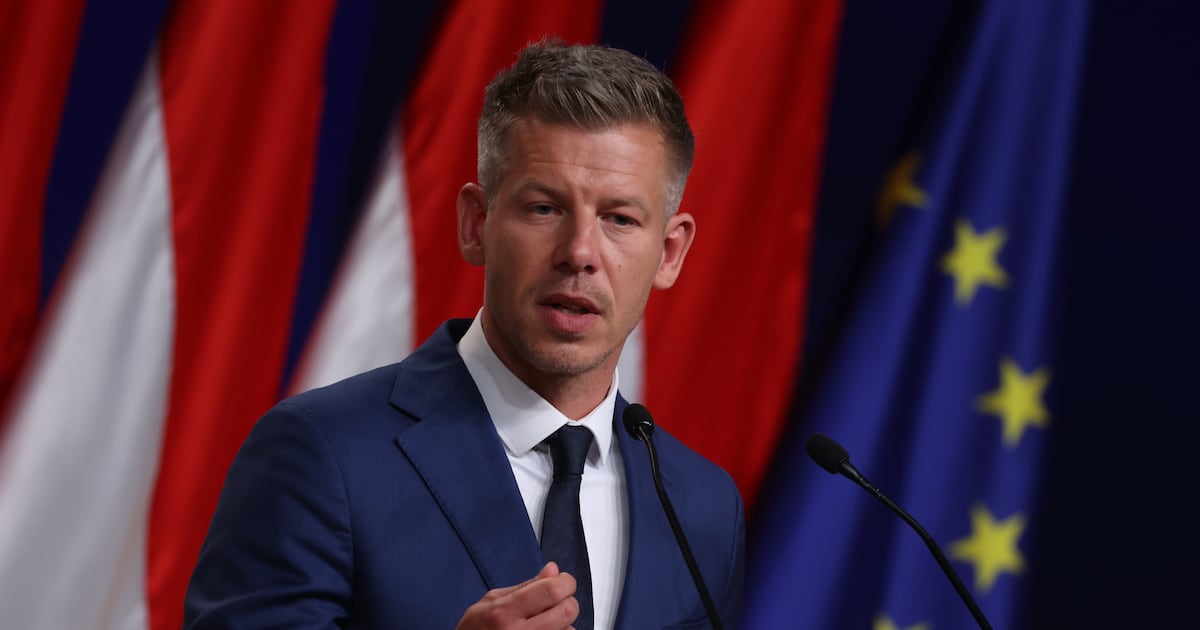

The incoming Hungarian government’s commitment to maintaining strong ties with Israel could have significant implications for the Middle East and North Africa region, particularly in the context of regional infrastructure and sovereign capital flows.
British Prime Minister Rishi Sunak and other Western leaders have long been critical of Hungary’s close ties with Russia and its severe economic sanctions on Ukraine. However, the incoming government’s focus on pragmatic relations with Israel could help Hungary shift its stance on regional and global issues, potentially leading to improved ties with the United States and Western Europe.
The US, Germany, Italy, and France have always been reluctant to impose sanctions against Israel, unlike the case with Ukraine. Hungary under Magyar may choose to align itself with more western-oriented nations. The shift could lead to an impact on sovereign capital inflows into Hungary from the EU, the US and the UK. It could also significantly influence possible countries in MENA pursuing regional cooperation initiatives with Hungary.
The Russia-Hungary relationship has been under the spotlight following the latter’s long-lasting suspension of Ukraine’s €90 billion ($105 billion) IMF aid, opposed by major European states. Budapest has already shown a willingness to return to more balanced relations with Brussels, and bilateral ties with Moscow are likely to ease under the new administration.