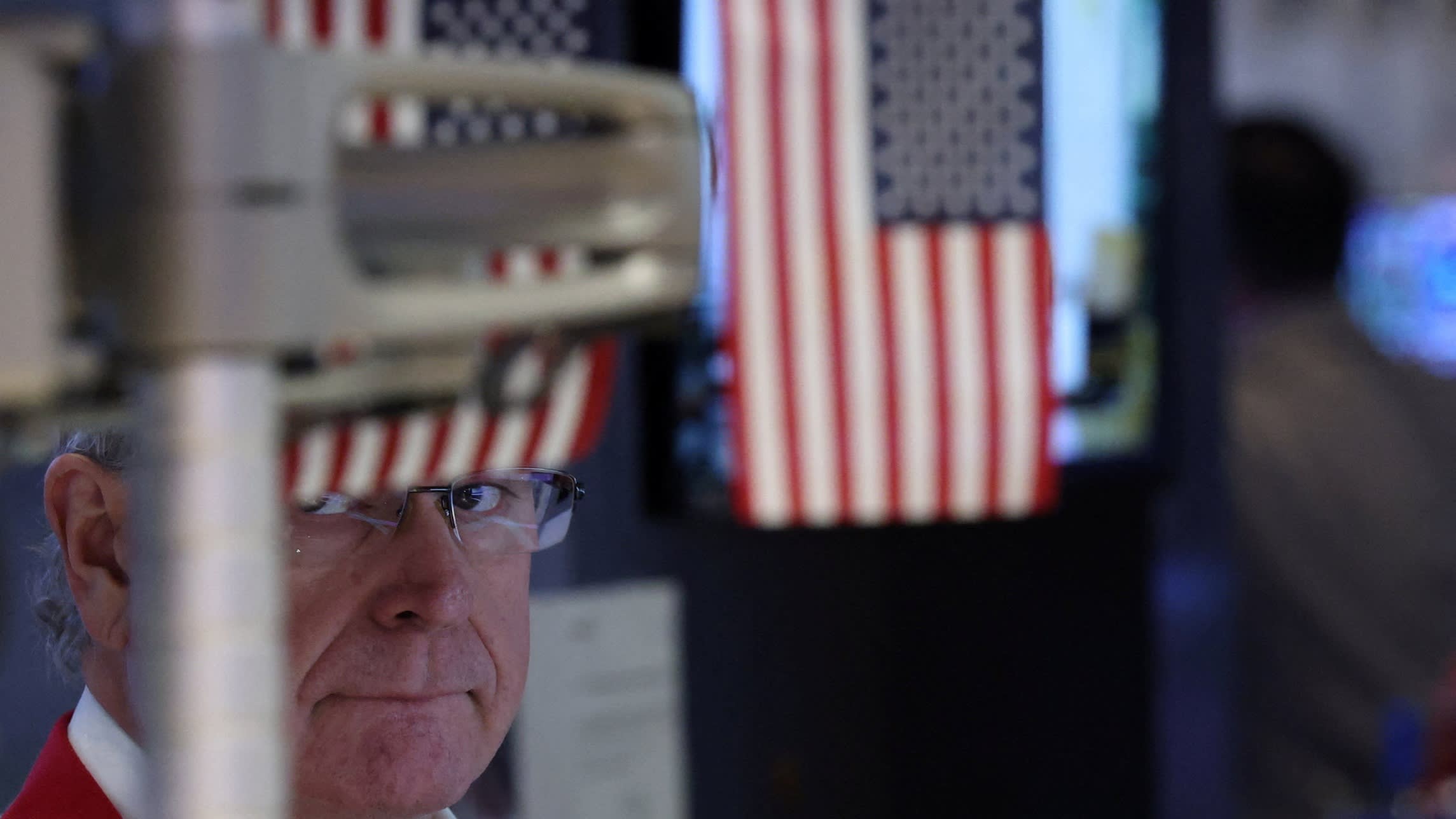

Following Nvidia’s categorical denial of any bid to acquire Dell Technologies, shares of Dell and Hewlett‑Packard surged downward, erasing roughly $14 billion in market value across the two American IT giants. The swift market correction underscores the fragility of the hardware sector’s valuation premium, which many sovereign wealth funds and regional venture capital houses have been courting as part of a broader push to diversify away from oil‑dependent assets. For Gulf‑based sovereign investors—particularly Saudi Arabia’s Public Investment Fund (PIF) and Abu Dhabi’s Mubadala—this episode serves as a reminder that reliance on speculative tech consolidations may jeopardise long‑term portfolio stability.
In the MENA context, the ripple effects are already evident. The PIF, which recently announced a $5 billion allocation to cloud‑infrastructure and AI‑enabled data centres, now faces heightened scrutiny over its exposure to western hardware manufacturers whose revenue streams are increasingly tied to Nvidia‑driven ecosystems. Likewise, regional VC firms such as BECO Capital and Wadi Makkah Ventures, which have been seeding early‑stage startups that depend on Dell and HP hardware for product development, must reassess runway assumptions and potentially accelerate migration toward locally sourced or open‑source hardware solutions.
The episode also spotlights a strategic inflection point for Middle‑East digital infrastructure planning. Governments across the Gulf Cooperation Council are investing billions in sovereign data‑centre capacity to support Vision 2030‑type digital transformation agendas. A sudden de‑valuation of key hardware suppliers could pressure procurement budgets, prompting a shift toward diversified supply chains that incorporate Asian OEMs and emerging regional manufacturers. Consequently, sovereign capital may be redirected to bolster home‑grown semiconductor initiatives, like the Saudi‑UAE joint chip design programme, to mitigate dependence on volatile Western tech conglomerates.
Overall, Nvidia’s denial reverberates far beyond the US stock exchange floor, compelling MENA sovereign investors, venture capitalists, and policymakers to recalibrate risk models and accelerate the development of a more resilient, locally anchored technology ecosystem. The next wave of capital allocation will likely favour projects that embed supply‑chain redundancy and align with the region’s ambition to command a larger share of the global digital value chain.