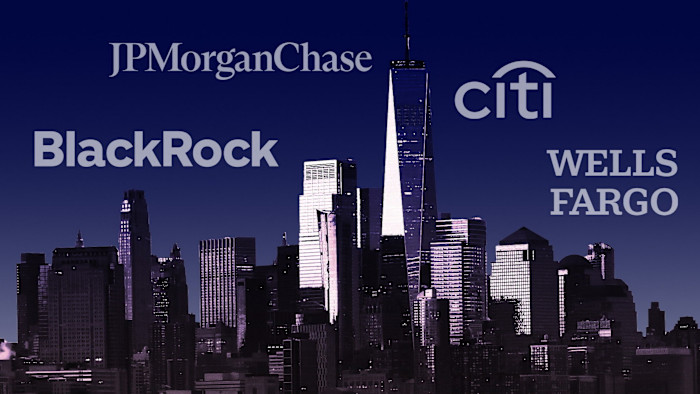

TheQ1 earnings season on Wall Street is delivering a bifurcated narrative: while JPMorgan Chase, Citigroup and Wells Fargo are projected to post record trading revenues driven by a rebound in macro‑risk appetite, BlackRock’s $130 bn inflow shortfall underscores how volatile equity and currency swings can swiftly erode asset‑manager balance sheets and re‑price exposure to non‑bank credit intermediaries.
Institutional investors are sharpening scrutiny of banks’ indirect credit risk through private‑credit funds and collateralised loan obligations, a segment that has seen pronounced redemption pressures in recent weeks. The implications extend beyond the United States, as sovereign wealth vehicles in the Gulf Cooperation Council and North Africa are recalibrating allocations toward high‑yield credit strategies that can sustain sovereign fiscal targets amid regional conflict.
Venture capital and sovereign‑backed innovation hubs across the Middle East and North Africa are leveraging this capital reallocation to accelerate infrastructure projects—ranging from renewable‑energy grids to digital‑finance platforms—that are increasingly intertwined with global capital markets. The heightened focus on credit quality and market resilience is prompting regulators and investors alike to demand clearer transparency on cross‑border asset‑manager linkages and the sovereign‑capital exposure of emerging‑market lenders.
Consequently, the forthcoming disclosures from Goldman Sachs, JPMorgan and Citigroup will be examined not only for their contribution to the highest US banking revenues in a decade, but also for the signals they provide on how Middle Eastern and North African sovereign and venture capital ecosystems will channel capital into infrastructure that can weather market turbulence while supporting the region’s long‑term economic diversification agenda.