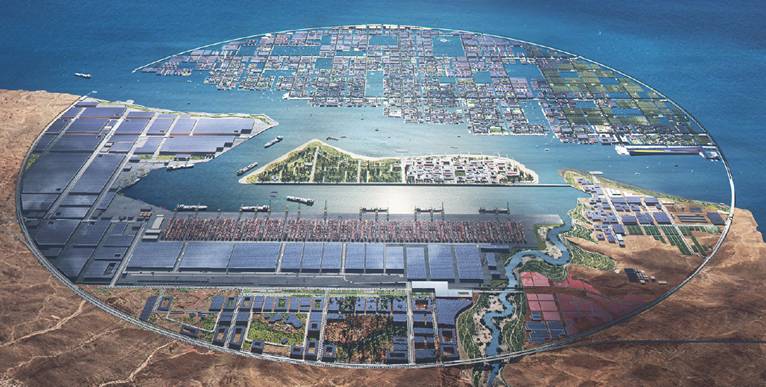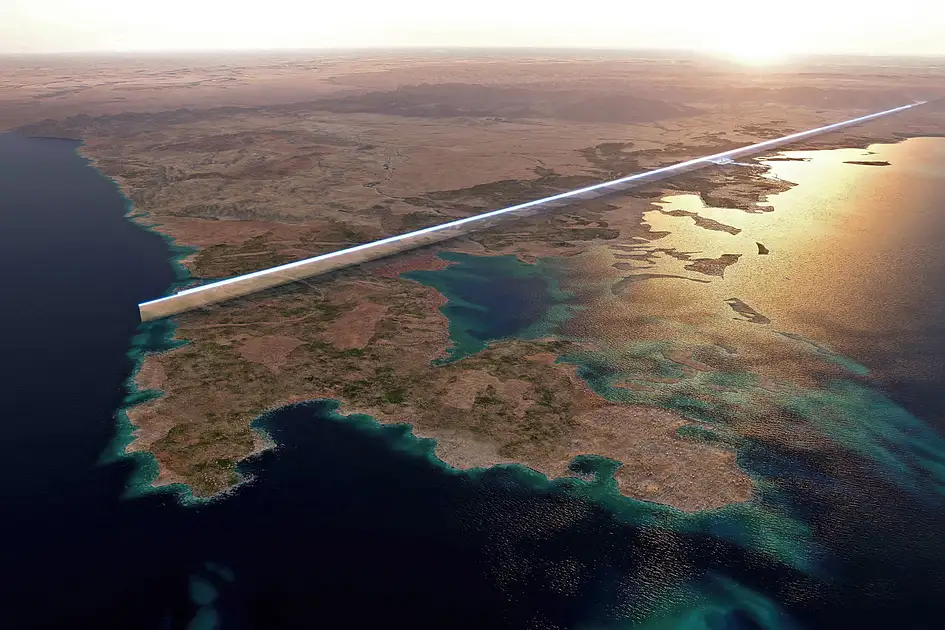

SaudiArabia’s Public Investment Fund governor Yasir Al‑Rumayyan confirmed that no Neom‑related development has been scrapped, but acknowledged that several projects, notably The Line, are experiencing schedule slippage. The admissions, delivered in a televised interview, underscore the tension between aggressive sovereign ambition and the practical constraints of execution.
The ripple effects extend to the private and venture capital ecosystems, where delayed milestones recalibrate investment theses and raise the cost of capital for technology‑focused firms targeting the kingdom’s megaprojects. Institutional investors are now pricing in higher risk premia for deals linked to Neom, prompting a shift toward more mature, cash‑flow‑generating assets within the sovereign’s portfolio.
From an infrastructure standpoint, the postponement of flagship components of Vision 2030 reverberates across the Gulf, influencing regional benchmarking of mega‑projects and prompting neighboring states to reassess their own timelines and financing structures. The sovereign’s reallocation of funds toward core energy and defense sectors may also accelerate the deployment of secondary infrastructure—such as port upgrades and logistics corridors—necessary to sustain trade flows amid heightened geopolitical volatility.
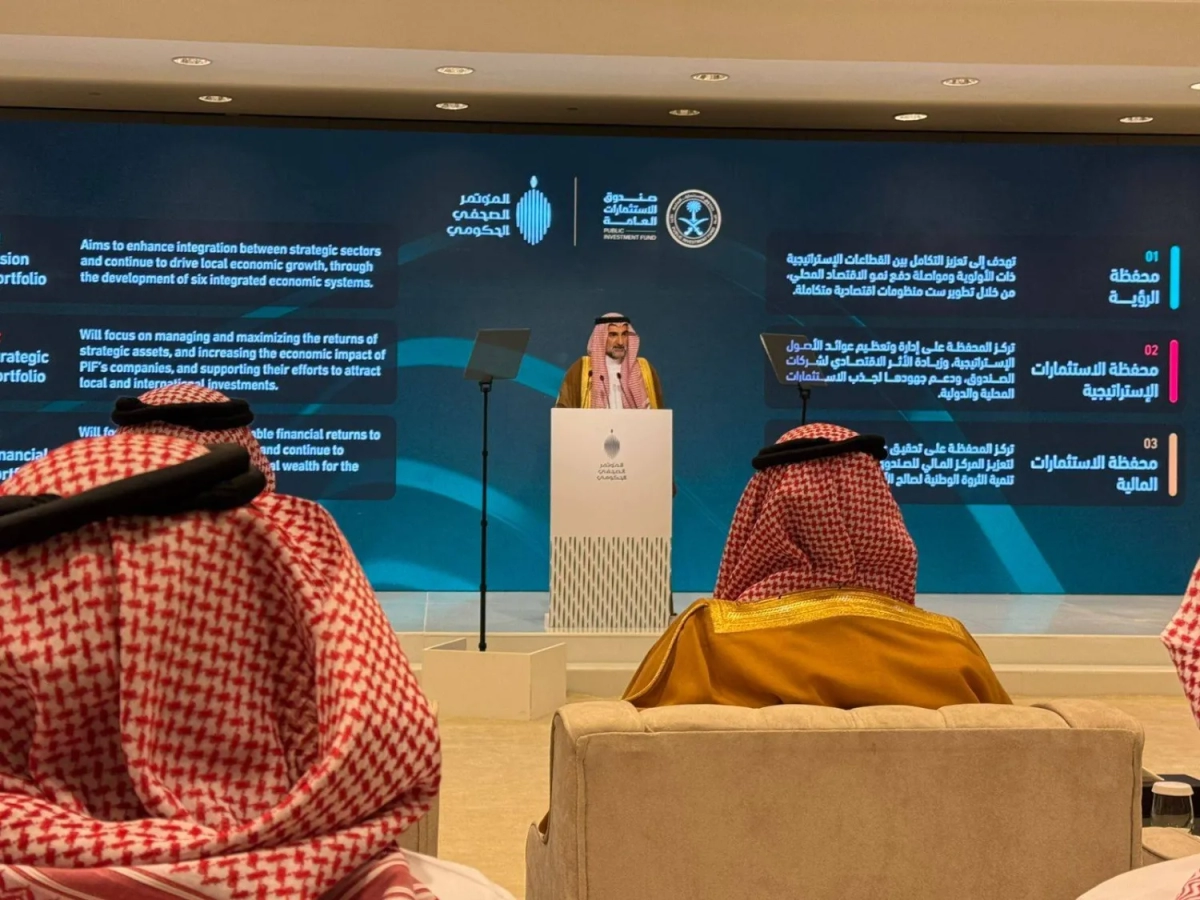
Looking ahead, the PIF’s 2026‑2030 strategy, which reorganises assets into three dedicated return‑focused buckets, will likely prioritise investments that deliver near‑term cash yields while preserving strategic exposure to disruptive sectors. This recalibration reflects a broader recognition that sovereign capital must balance long‑term visionary projects with the imperative of maintaining fiscal resilience in a world where security shocks can reshape budgetary allocations overnight.