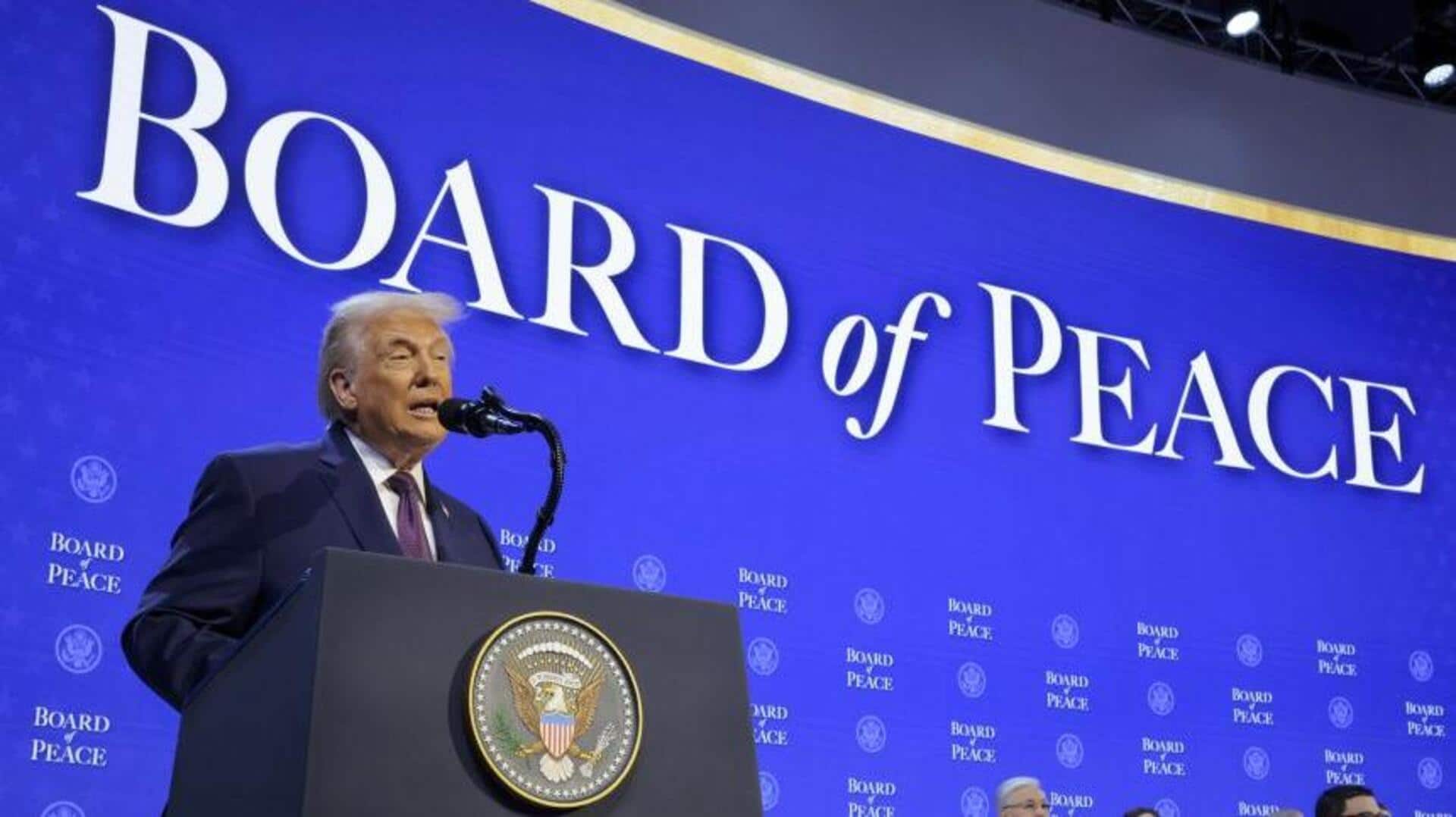

The emergence of DP World as a potential infrastructure partner in Gaza’s reconstruction signals a significant alignment between Gulf state-owned enterprises and U.S.-led geopolitical stabilization efforts in the region. The reported discussions with the Trump administration’s “Board of Peace” point to an ambitious strategy that could integrate logistics management, port development, and free-trade zone creation into Gaza’s post-conflict economy. For DP World, whose global operations hinge on strategic chokepoints and port terminals, participation would not only extend its footprint into politically sensitive markets but also solidify the UAE’s role as a diplomatic and economic bridge between Washington and regional stakeholders. This convergence of sovereign capital and infrastructure expertise could unlock billions in project financing, provided the security environment stabilizes sufficiently to attract multilateral guarantees and long-term investor confidence.
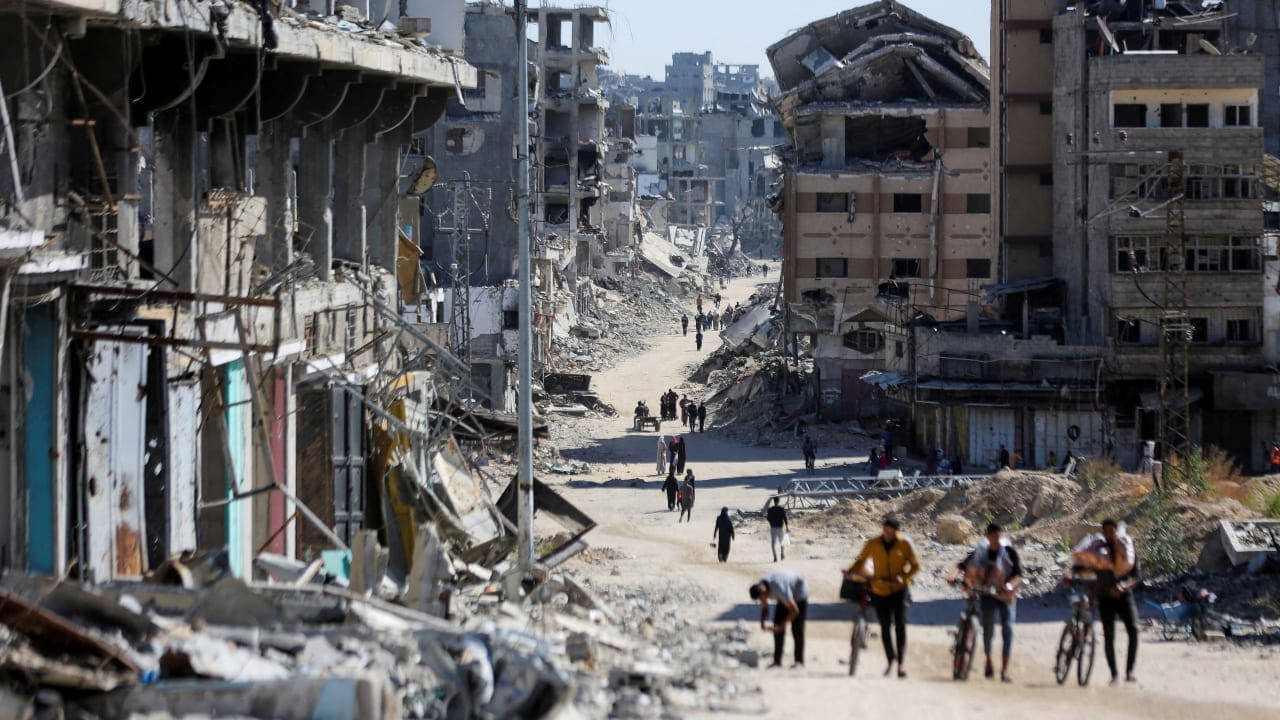
Within the broader venture and infrastructure investment landscape, Gaza’s estimated $70 billion reconstruction bill represents one of the most complex capital allocation challenges in decades. Should DP World’s proposals materialize, they could catalyze a new class of sovereign-backed infrastructure vehicles targeting conflict-affected zones, blending humanitarian aid logistics with commercial port and supply-chain capabilities. The inclusion of a new port or expanded warehousing in Gaza or on Egypt’s Mediterranean coast could attract Middle Eastern institutional investors and development finance institutions eager to anchor long-term sovereign partnership structures. However, such large-scale capital deployment would still hinge on validation from global development banks and regional capital regulators, especially given ongoing security and governance uncertainties across the territory.
For the MENA region, DP World’s involvement would mark a strategic extension of the UAE’s state-owned industrial and logistics model into post-conflict reconstruction—mirroring projects in Djibouti, Turkey, and the Horn of Africa. This also underscores a shift in regional development finance toward assets with dual commercial and geopolitical utility, where sovereign entities leverage infrastructure to foster political stabilization and influence. Yet, with no immediate confirmation from DP World or the White House, the scale and timeline of any exercise remain speculative. Should momentum materialize, such a partnership could define a new synthesis between capital markets, sovereign actors, and reconstruction finance—reshaping investment flows and development strategies across the Levant for years to come.