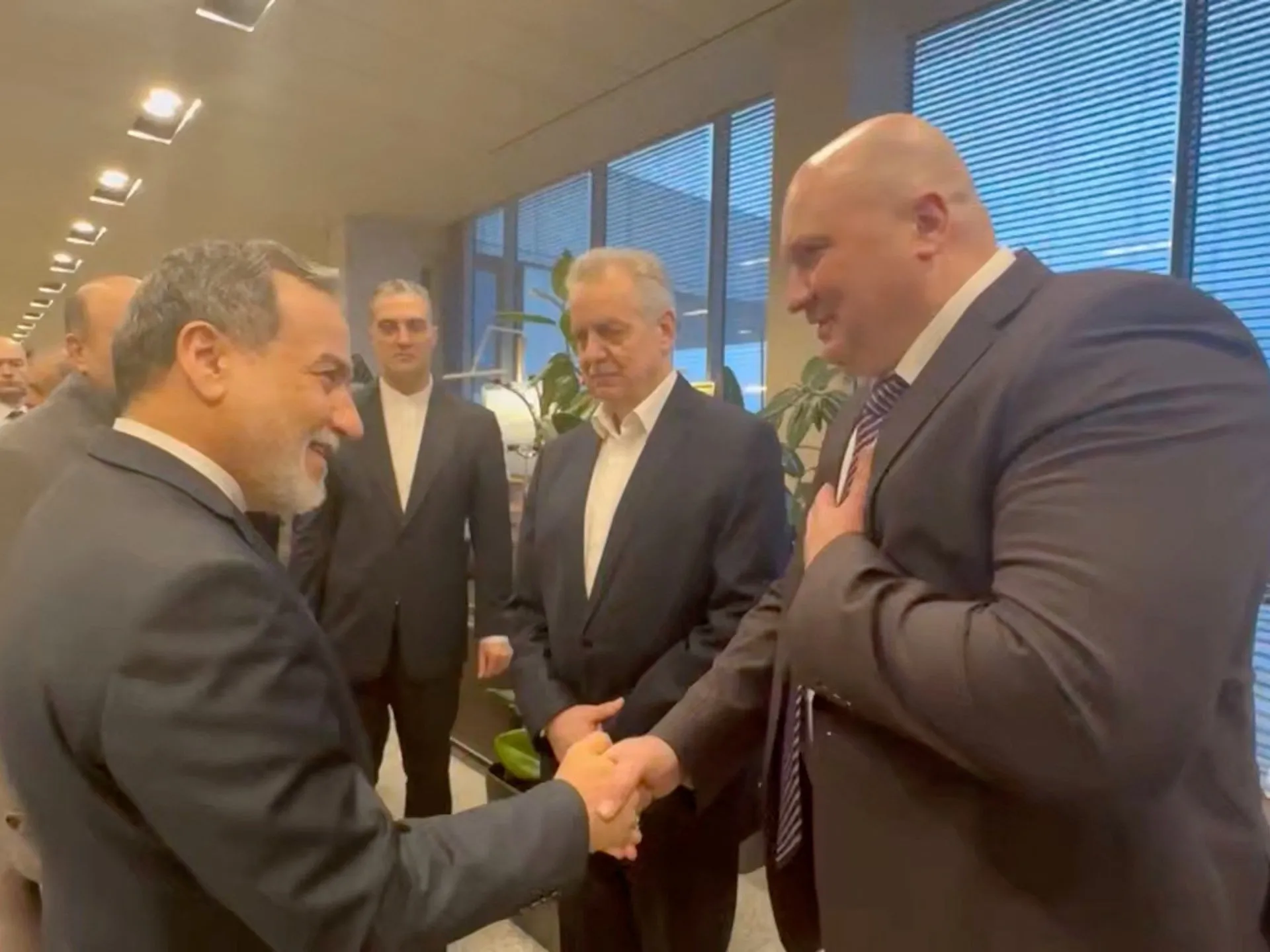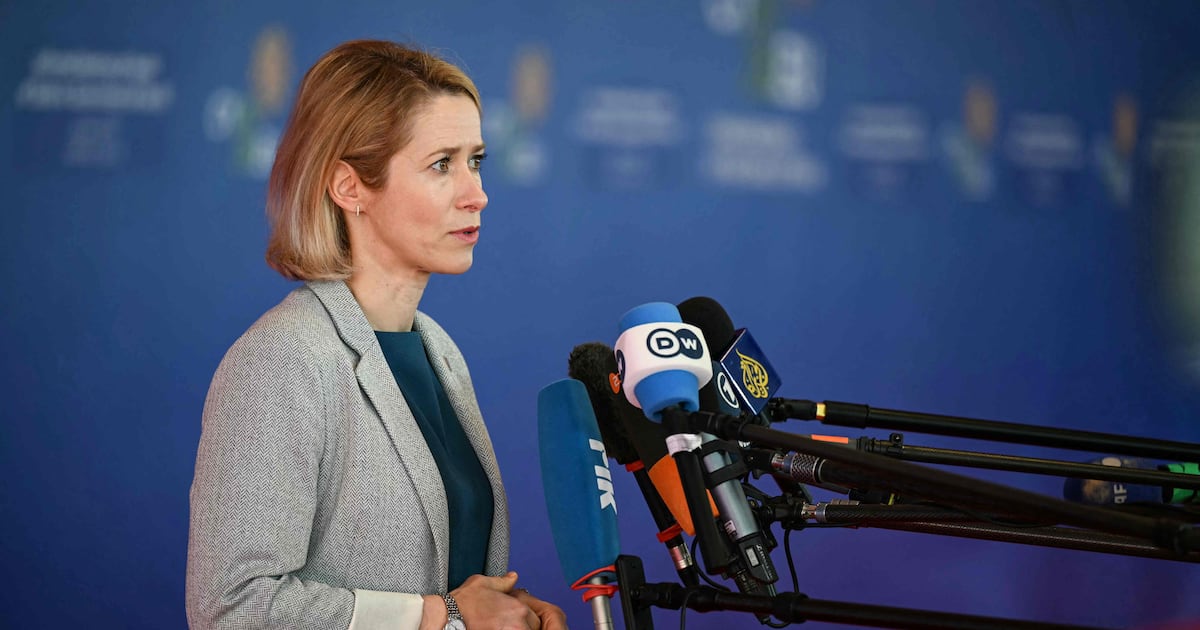

EU HighRepresentative for Foreign Affairs Kaja Kallas has underscored the necessity of embedding nuclear expertise in forthcoming US‑Iran negotiations, warning that any agreement lacking such technical depth will be less robust than the 2015 JCPOA and will leave unresolved regional security externalities. This stance, articulated upon her arrival at an informal EU summit in Cyprus, signals a deliberate effort to leverage Europe’s diplomatic and technical capital to safeguard the investment climate across the Middle East and North Africa (MENA). By insisting on a broader agenda—encompassing missile restraint and curtailing proxy activities—the Union seeks to mitigate geopolitical volatility that could imperil sovereign wealth portfolios and deter foreign direct investment.
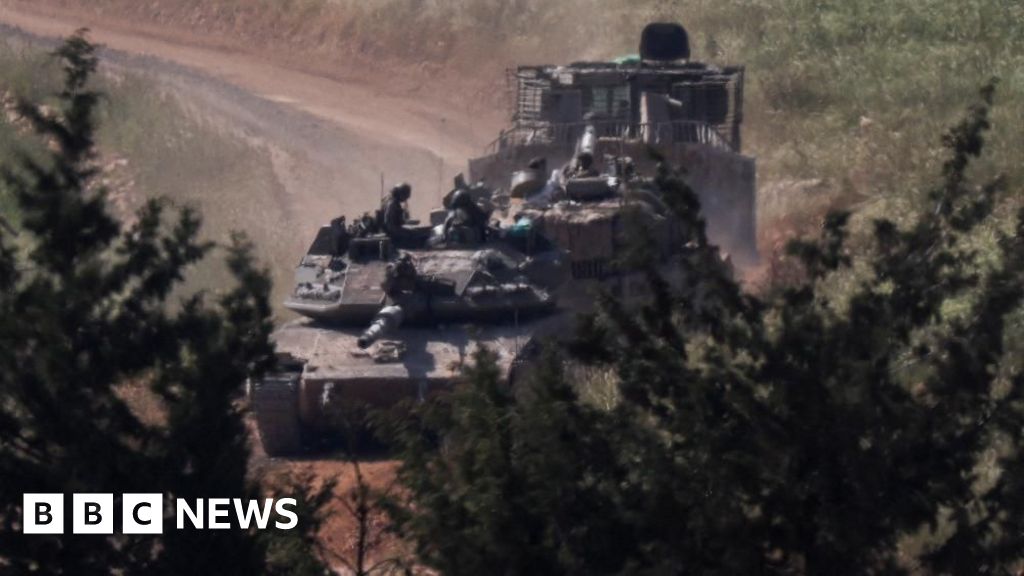
Following a year of limited EU involvement in US‑Iran talks, Brussels is positioning itself as a stabilising interlocutor capable of coordinating sanctions relief, de‑escalation measures, and reconstruction initiatives. Kallas’s invitation to Lebanese, Syrian, Jordanian, Egyptian and GCC officials reflects a concerted strategy to harness sovereign capital toward infrastructure upgrades and governance reforms. The prospect of an EU‑led mission to replace the UN‑mandated UNIFIL contingent in southern Lebanon, coupled with renewed emphasis on strategic partnerships with Egypt and Jordan, creates a fertile environment for venture capital to flow into telecoms, renewable energy, and logistics platforms that underpin regional connectivity.
The EU’s renewed engagement with Syria, signaled by the Commission’s proposal to fully resume diplomatic relations, further expands the policy playground for sovereign investors. By aligning its outreach with rotating presidencies such as Cyprus’s, Europe intends to institutionalise a “strategic partnership” model that couples security de‑escalation with long‑term economic integration. This dual-track approach is designed to channel private and public capital toward critical infrastructure—particularly cross‑border water management, digital corridors, and transport networks—thereby enhancing the region’s resilience to shocks and improving the risk‑adjusted returns for sovereign and institutional investors.
In sum, Kallas’s diplomatic agenda translates directly into tangible implications for MENA’s financial architecture: heightened predictability around sanctions regimes, expanded avenues for sovereign‑backed infrastructure financing, and a cleared pathway for venture capital to capture growth in high‑potential sectors. The EU’s deliberate invocation of technical expertise and strategic mediation is poised to reshape the investment calculus for regional assets, reinforcing de‑escalation as a prerequisite for sustainable capital deployment across the Middle East and North Africa.