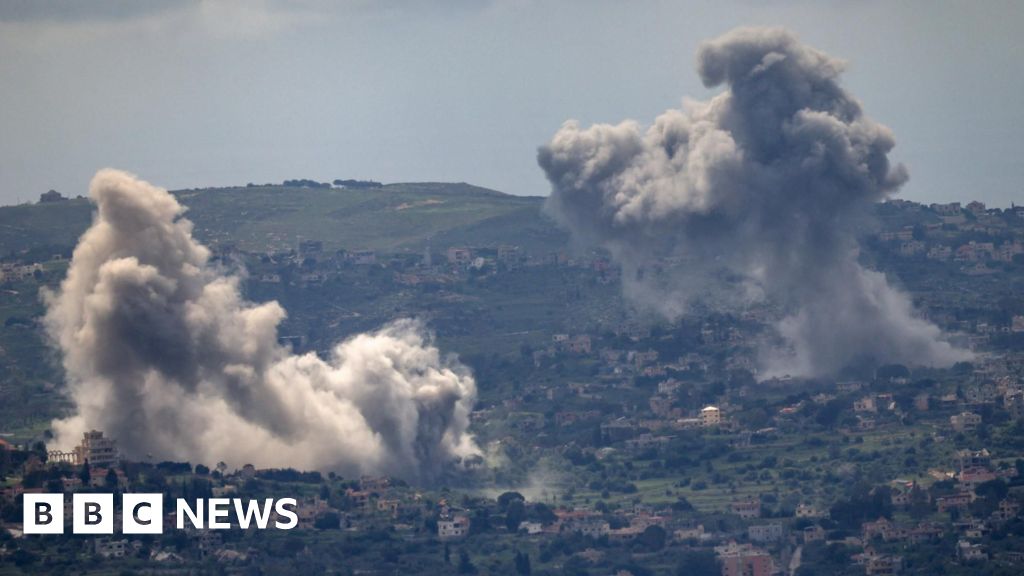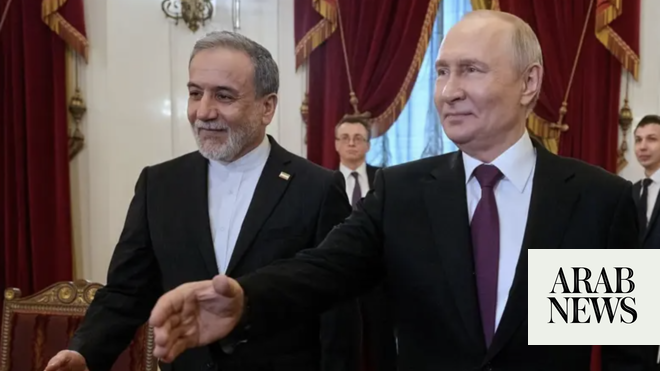

The two‑week ceasefire between Israel and Iran has irrevocably reshaped stakeholder perspectives on U.S. policy in the MENA region, with significant ramifications for sovereign and venture capital flows, as well as infrastructure investment. Global investors now treat Washington as a more unpredictable partner, particularly when regional dynamics are steered by a volatile interplay of state and non‑state actors. The reduction in immediate skirmish risk has made the geopolitical environment less immediate but has increased the perceived probability of sudden escalation, prompting a shift in risk premium calculations across the quality spectrum.
In sovereign markets, the pause has translated into a modest but measurable drop in bond yields as risk aversion rises around the persisting “surface‑level” threat. States across the Gulf, including Saudi Arabia and the UAE, have retreated from their aggressive debt‑issuance cycles, reallocating funds into shorter‑duration instruments to preserve liquidity. Conversely, front‑line economies such as Lebanon and Egypt, already battling fiscal fragility, are forced to brace for an exogenous shock that could worsen debt sustainability metrics and precipitate increased reliance on IMF assistance.
Venture capital in technology hubs such as Silicon Wadi and the newly emergent “Start-up Beirut” corridor is recalibrating investment theses. Firms’ revenue projections are now discounted to incorporate heightened geopolitical risk, while co‑funders in Dubai and Riyadh are tightening due diligence around exits and talent mobility. This environment has spurred accelerators to pivot toward “risk‑resilient” sectors, notably fintech for remittance infrastructures and AI‑driven supply‑chain solutions that can serve both domestic and regional markets under tighter capital constraints.
Infrastructure authorities are compelled to accelerate state‑backed projects that both establish control over critical assets and showcase technological sovereignty. The United Arab Emirates’ expansion of its smart‑city initiatives, Saudi Arabia’s Vision 2030‑aligned renewable energy portfolio, and Qatar’s continued investment in logistics hubs are all being evaluated through a lens that balances profitability against potential exogenous shocks. The overarching lesson for stakeholders across the MENA region is that the ceasefire’s temporary de‑escalation does not equate to long‑term stability; instead, it underscores the necessity of diversifying capital structures and fortifying infrastructure resilience against an unpredictable geopolitical tableau.