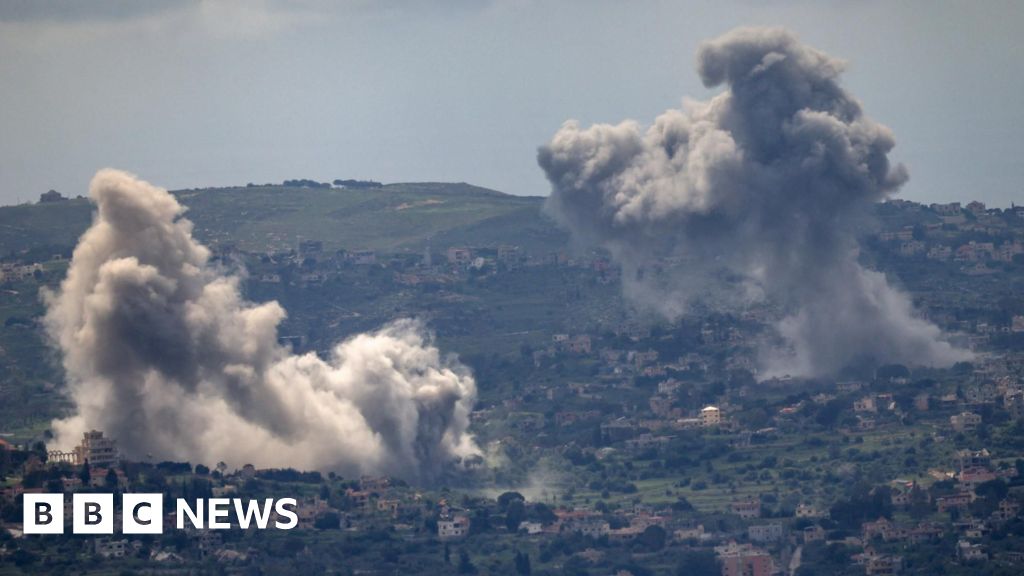

The ongoing Israel-Hezbollah conflict in Lebanon represents a destabilizing disruptor to regional economic resilience and investment flows. The destruction of critical infrastructure, including hospitals and transportation networks, directly undermines Lebanon’s fragile sovereign capital position, a nation already grappling with a $140 billion external debt and a collapsed fiscal framework. The war’s impact on sovereign capital is exacerbated by the diversion of scarce public resources to military expenditures and humanitarian relief, further eroding investor confidence. In a region where sovereign creditworthiness is paramount for attracting foreign investment and managing currency volatility, Lebanon’s heightened risk profile could trigger a flight of capital from regional portfolios, amplifying pressure on neighboring Gulf economies that serve as key financial conduits into the MENA region.
Venture capital ecosystems across the Middle East and North Africa are reevaluating exposure to Lebanon, a country where political instability has historically acted as a deterrent for high-risk investments. While Lebanon’s tech and digital sectors had attracted modest VC attention prior to the crisis, the current conflict fundamentally alters the risk-reward calculus. Disruptions to telecom infrastructure, coupled with the targeting of civilian assets, signal a potential contraction in digital infrastructure development—a sector that has been a key growth driver in MENA. Furthermore, the war’s spillover effects into neighboring regions, such as Syria and Jordan, where Lebanese diasporas and mobile workforce investments are concentrated, could further contract regional venture activity. Investors are increasingly prioritizing ventures with geographic diversification or embedded resilience mechanisms, rendering Lebanon’s market unattractive at present.
The regional infrastructure implications of this conflict extend beyond immediate humanitarian concerns, posing long-term threats to cross-border economic integration. The damage to vital infrastructure in southern Lebanon and its proximity to key historical transit routes, such as those connecting Beirut to Damascus and beyond, risks fragmenting regional supply chains. Temporary ceasefires in the Mediterranean basin have already disrupted energy imports and cross-border trade, sectors critical to MENA’s economic stability. The targeting of utility infrastructure—including water treatment plants and communication networks—highlights vulnerabilities that could delay recovery for years. From a sovereign perspective, Lebanon’s inability to restore or invest in rebuilding its infrastructure compounds its debt sustainability challenges, potentially necessitating international loans that further strain capital markets. The conflict also risks accelerating regional fragmentation, as countries reassess dependencies on Lebanon as a trade or transit hub, with implications for cross-border venture capital flows and foreign direct investment decisions.’