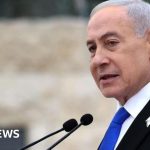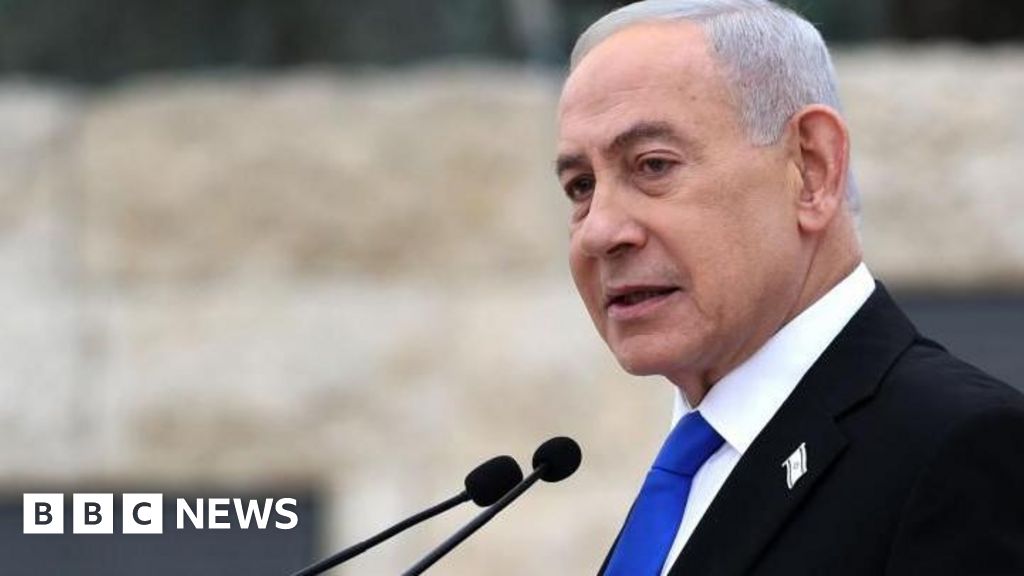

Recent medical news regarding Israeli Prime Minister Benjamin Netanyahu’s successful treatment for a malignant tumor, while seemingly a personal matter, carries significant and multifaceted implications for the broader economic and geopolitical landscape of the Middle East and North Africa. The swift and effective resolution of this health challenge underscores Israel’s continued investment in advanced medical technology and research, a sector increasingly viewed as a strategic asset within the region. This, in turn, will likely accelerate the flow of Israeli medical expertise and innovation into neighboring countries, particularly those grappling with burgeoning healthcare demands and limited domestic capacity. We anticipate increased bilateral collaborations focused on oncology, diagnostics, and pharmaceutical development, potentially leading to localized manufacturing opportunities and a reduction in regional import reliance.
Crucially, Netanyahu’s recovery impacts the trajectory of sovereign wealth funds and private investment within the MENA region. The stability afforded by a healthy and decisive leader bolsters investor confidence, particularly amongst those considering direct investments in sectors like healthcare, technology, and infrastructure. Several Gulf states, notably Saudi Arabia and the UAE, have been actively pursuing diversification strategies, and a demonstrably robust Israeli government provides a reassuring signal of regional stability. Furthermore, the potential for increased cross-border investment – specifically, Israeli venture capital firms extending their reach into MENA – is substantial. We’ve already observed a growing trend of Israeli VC firms targeting opportunities in fintech, agtech, and renewable energy across the region, and this momentum is likely to intensify.
However, the situation also presents infrastructural challenges. The enhanced connectivity and technological exchange spurred by these developments necessitate upgrades to regional digital infrastructure. Reliable internet access, robust data centers, and secure communication networks are paramount to facilitating seamless collaboration and knowledge transfer. Countries like Egypt and Morocco, currently lagging in digital maturity, face a critical imperative to prioritize investments in these areas to fully capitalize on the opportunities presented. Sovereign funds must consider not just financial returns, but also the strategic value of a digitally connected and technologically advanced regional ecosystem.
Finally, the narrative surrounding this event subtly reinforces existing geopolitical dynamics. While the focus remains on health, the underlying strength and resilience of Israel – evidenced by its ability to manage a significant health crisis – continues to shape regional power balances. The increased technological and medical cooperation, coupled with the potential for greater economic integration, will undoubtedly be viewed through the lens of strategic competition and alignment. Long-term, the MENA region’s ability to leverage these developments will hinge on a pragmatic approach to diplomacy, coupled with a commitment to fostering sustainable economic growth and technological advancement.