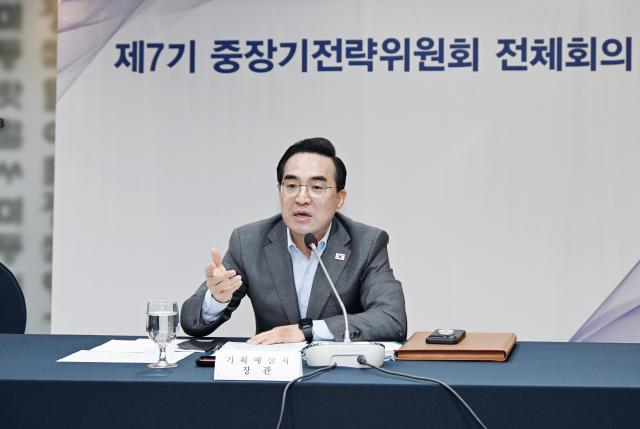

South Korea’s forthcoming “Vision 2045” national development strategy, slated for release by year-end, represents a paradigm shift from previous iterations, signaling a renewed focus on navigating complex structural crises and propelling the nation towards greater global leadership. Addressing the Ministry of Planning and Budget’s 7th Mid-to-Long-Term Strategy Committee, newly appointed Minister Park Hong-geun emphasized the necessity of a forward-looking approach to address challenges including the transformative impact of artificial intelligence, persistent low growth, the escalating climate crisis, and demographic shifts. While acknowledging the successes of prior strategies like “Vision 2030” in underpinning key social programs, Park underscored the limitations in terms of implementation timelines and fiscal investment scope, highlighting the imperative to cultivate a more ambitious and comprehensive roadmap for the next two to three decades.
The recalibration of South Korea’s long-term planning reflects a broader regional trend toward strategic foresight, particularly concerning economic diversification and technological advancement. The emphasis on regulatory reform, articulated by 7th committee chair Kwon Oh-hyun, is crucial for fostering innovation and competitiveness, areas where the nation faces increasing pressure from emerging economies. Sovereign wealth funds are expected to play a pivotal role in funding the necessary infrastructure investments – particularly in digital transformation, renewable energy, and advanced manufacturing – to support this transition. Furthermore, the strategy’s success hinges on the effective orchestration of venture capital flows, channeling capital towards strategically vital sectors poised for exponential growth. This includes cultivating a robust ecosystem for disruptive technologies, vital for maintaining economic dynamism in the face of evolving global competitive landscapes.
The implications extend beyond domestic policy, with far-reaching ramifications for the wider MENA region. South Korea’s strategic emphasis on infrastructure development – particularly its digital infrastructure and green technologies – mirrors global trends and presents opportunities for regional collaboration. The influx of venture capital and technological expertise from South Korea could catalyze innovation hubs across the MENA region, fostering the development of local startups and contributing to diversification efforts. However, navigating the geopolitical complexities inherent in the MENA region will be crucial; successful implementation will require astute engagement with regional stakeholders and addressing concerns around geopolitical stability and supply chain resilience. Furthermore, the need for a technologically advanced workforce will be a key consideration, requiring substantial investment in education and skills development programs.
The development of “Vision 2045” underscores the increasing interconnectivity of global economic agendas. South Korea’s renewed focus on long-term strategic planning has significant implications for the Middle East and North Africa, offering potential avenues for technological transfer, investment, and collaborative partnerships. The success of this strategy will depend on a nimble and responsive approach to regulatory reform, alongside a commitment to attracting and nurturing venture capital to fuel regional innovation. The international community, including key financial institutions and development partners, must recognize and support the potential for strategic alliances and knowledge sharing to facilitate a more resilient and prosperous future for the MENA region in a rapidly changing global landscape.