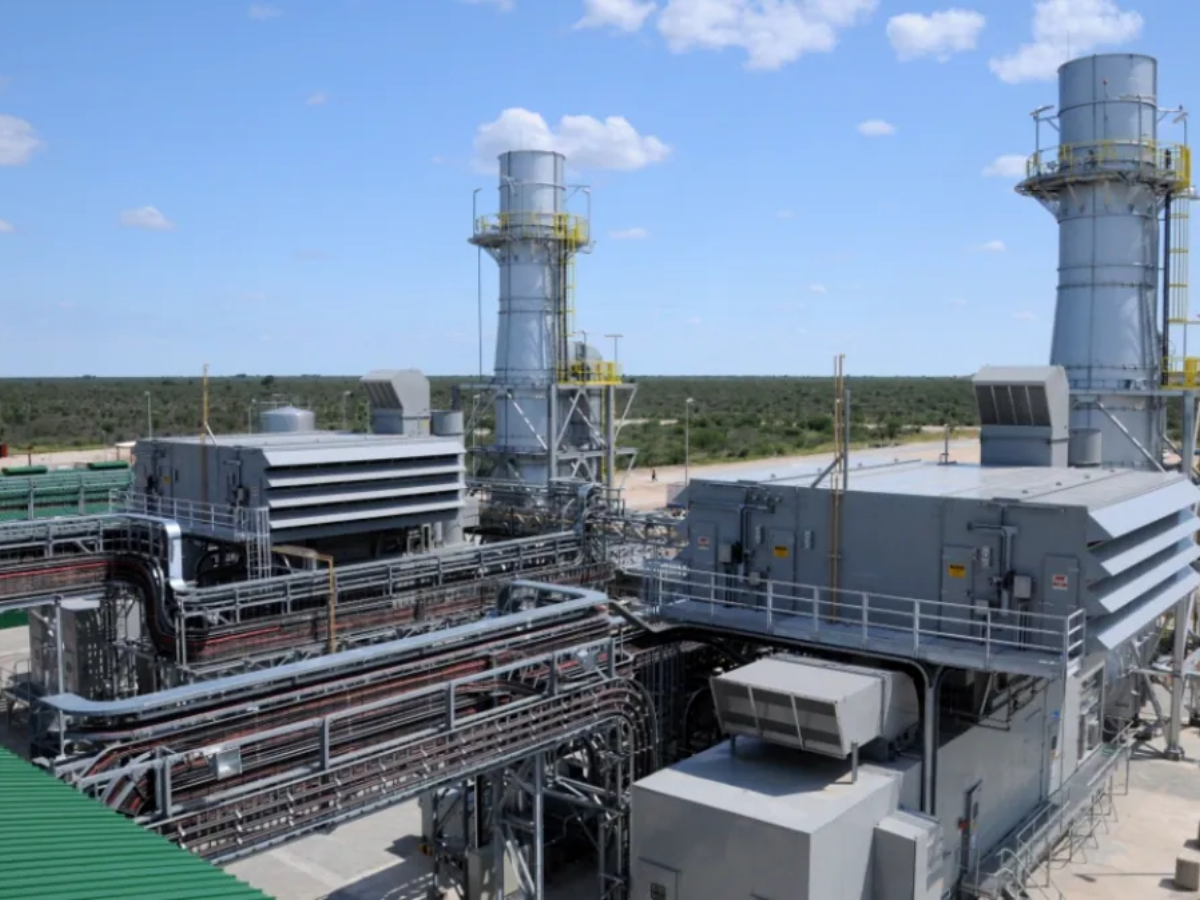

The recent disruptions at ADNOC Gas’ Habshan facility, stemming from incidents involving falling debris and subsequent fires, represent a significant, albeit manageable, challenge to the UAE’s energy security and highlight broader vulnerabilities within MENA’s critical infrastructure. While ADNOC’s swift activation of backup systems and utilization of the UAE’s integrated gas network prevented a complete supply chain collapse, the events underscore the need for enhanced preventative maintenance protocols and rigorous safety audits across the region’s aging energy infrastructure. The incident’s timing is particularly noteworthy given the ongoing global energy volatility and the GCC’s ambitious diversification strategies, which increasingly rely on a stable and reliable domestic energy supply.
The financial implications extend beyond ADNOC itself. Sovereign wealth funds, notably Mubadala Investment Company, hold significant stakes in ADNOC and its subsidiaries. While the company has publicly stated its financial resilience, the repair costs and potential delays in returning to full operational capacity will inevitably impact projected returns. Furthermore, the incident could deter private sector investment in UAE’s downstream sector, particularly in gas processing and related industrial activities. The broader MENA venture capital landscape will be closely monitoring ADNOC’s response and the transparency of its damage assessment, as investor confidence in the region’s energy sector is paramount. The incident serves as a stark reminder of the operational risks inherent in hydrocarbon-dependent economies, even those with substantial sovereign capital reserves.
Beyond the immediate financial and operational concerns, the Habshan incident has significant implications for regional infrastructure development. The reliance on backup systems, while effective in the short term, exposes the limitations of current redundancy measures. Future infrastructure projects across the GCC, particularly those involving critical energy assets, will likely incorporate more robust and decentralized safety protocols, potentially increasing capital expenditure. This could accelerate the adoption of advanced technologies like predictive maintenance and drone-based inspections, driven by both regulatory pressure and a desire to mitigate future disruptions. The incident also reinforces the importance of cross-border energy cooperation within the GCC, enabling greater flexibility in gas supply and demand management during emergencies.
Ultimately, ADNOC’s response to this crisis will be a key test of its operational maturity and commitment to transparency. The thoroughness of the damage assessment, the implementation of enhanced safety measures, and the proactive communication with stakeholders will be crucial in restoring investor confidence and safeguarding the UAE’s position as a reliable energy supplier. The lessons learned from Habshan are applicable across the MENA region, demanding a renewed focus on infrastructure resilience and a proactive approach to mitigating operational risks in a volatile global energy market.