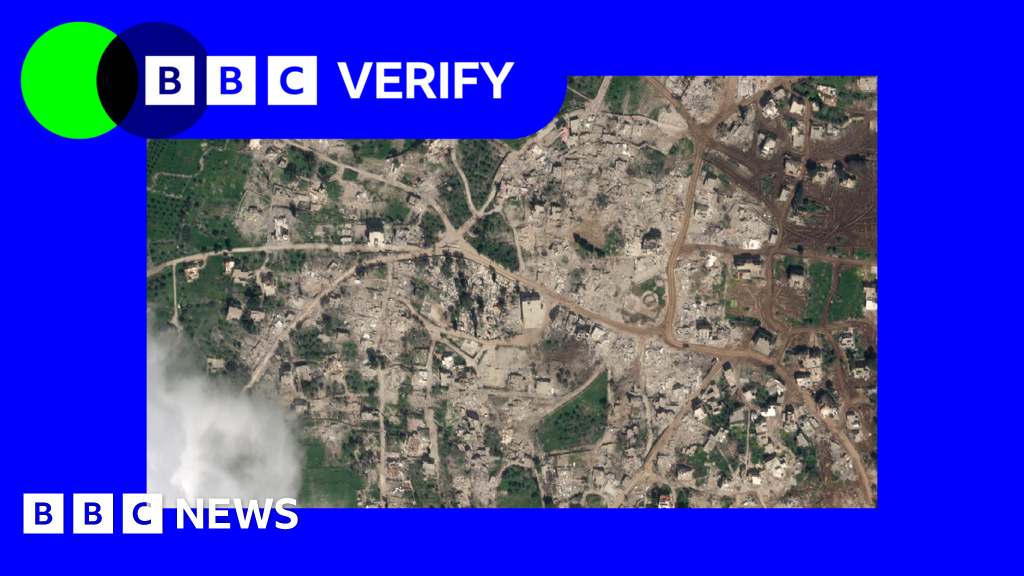

The recent seismic activity in the Middle East and North Africa (MENA) region, specifically concentrated in the southern regions, presents a multifaceted business and socio-economic challenge. Initial reports indicate the destruction of over 1,400 buildings since March 2nd, a figure that underscores the vulnerability of infrastructure and the potential for significant economic disruption. While localized impacts are expected, the broader implications for regional stability and long-term development require serious consideration.
The immediate business impact centers on rebuilding efforts, demanding substantial financial resources. Sovereign wealth funds (SWFs) across the region, already active in global markets, will likely play a critical role in mobilizing capital for reconstruction. Furthermore, a surge in venture capital (VC) investment is anticipated, particularly in sectors focused on resilience, disaster preparedness, and rebuilding infrastructure. This includes investments in earthquake-resistant construction materials, advanced building technologies, and companies specializing in emergency response and recovery services. The demand for skilled labor in construction and related fields will also drive investment in vocational training and education programs.
Beyond direct reconstruction, the disaster highlights critical regional infrastructure needs. Existing infrastructure – including energy grids, transportation networks, and communication systems – is demonstrably vulnerable. This necessitates substantial investment in upgrading and reinforcing these systems to withstand future seismic events. The development of smart infrastructure – incorporating sensors, real-time monitoring, and automated systems – offers a pathway to enhancing resilience and facilitating faster recovery. Regional collaborations on infrastructure projects will be paramount to ensure coordinated rebuilding efforts and maximize the impact of limited resources. Strategic allocation of sovereign capital, coupled with targeted VC investments, will shape the future landscape of regional infrastructure.
The long-term economic consequence of this event extends beyond immediate recovery. Increased insurance costs, potential disruptions to supply chains, and displacement of populations will all impact regional economic growth. However, the disaster also presents an opportunity for innovation and diversification. By prioritizing resilience and sustainability, MENA nations can position themselves as regional leaders in disaster preparedness and green infrastructure. Successful adaptation will not only mitigate future risks but also foster long-term economic prosperity and enhance the region’s standing on the global stage. The coming months will be critical in assessing the full extent of the damage and charting a course for a sustainable and resilient future.