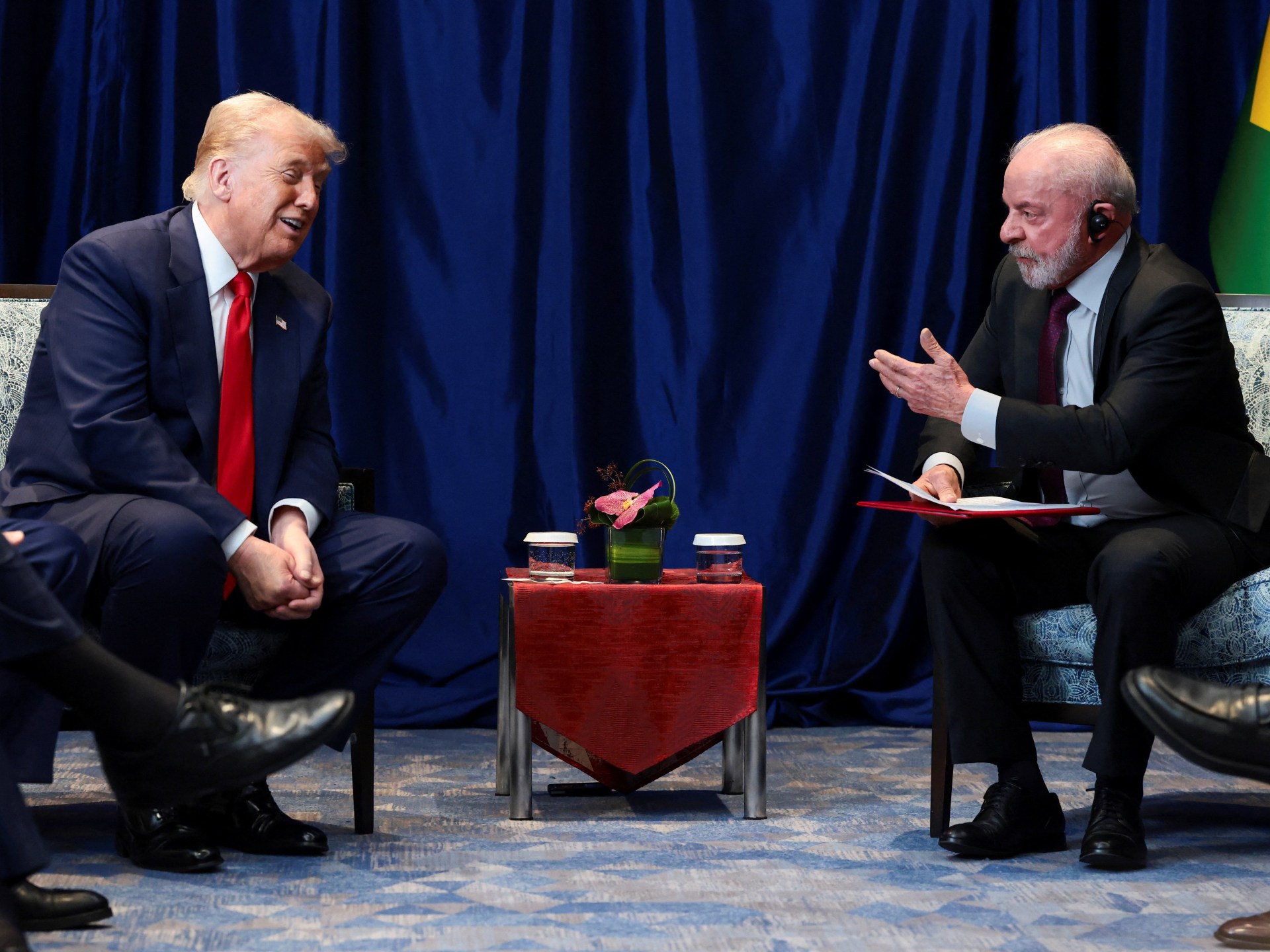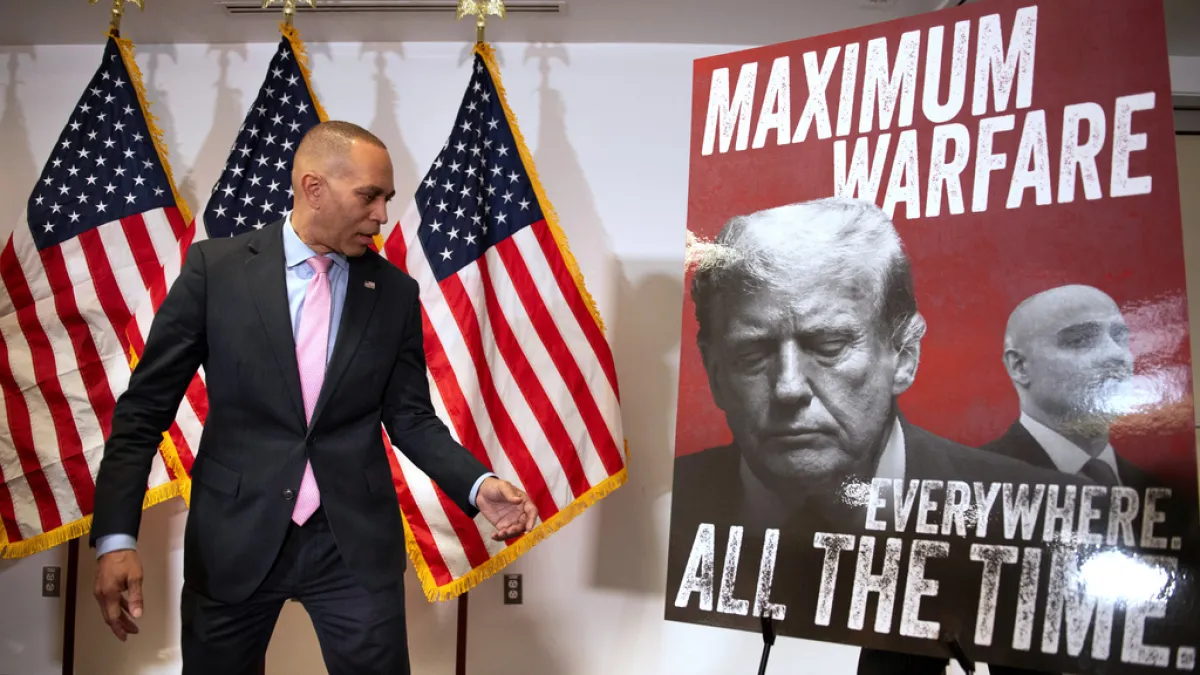

United States President Donald Trump’s escalation of legal warfare against Democratic congressional leadership, specifically his call for criminal incitement charges against House Minority Leader Hakeem Jeffries, signals a broader consolidation of political risk that reverberates through global capital markets. This latest chapter in America’s domestic polarization arrives amid intensifying competition for sovereign capital allocation across the Middle East and North Africa, where Gulf states and regional investors are increasingly calibrating their exposure to U.S. institutional stability. The weaponization of prosecutorial mechanisms by sitting presidents undermines the predictability essential for long-term infrastructure financing and sovereign bond markets that are fundamental to MENA’s $2.8 trillion investment landscape.
Sovereign wealth funds from Saudi Arabia to the United Arab Emirates, managing collectively over $1.2 trillion in assets, have demonstrated resilient appetite for U.S. Treasuries and equities despite elevated political volatility. However, the normalization of legal retaliation against political opponents introduces a corrosive element into risk assessment frameworks that underpin trillion-dollar infrastructure projects spanning from NEOM’s futuristic developments to Egypt’s transportation corridors. Regional capital allocators are intensifying stress-testing of jurisdictional exposures, particularly as MENA sovereign funds expand direct investments in U.S. technology sectors, including artificial intelligence and semiconductors, where political stability remains a critical due diligence factor.
The venture capital ecosystem connecting Silicon Valley with Dubai’s $500 million fund-of-funds initiative faces heightened uncertainty as regulatory arbitrage becomes indistinguishable from political targeting. Startups and growth-stage companies seeking cross-border expansion must now navigate not only traditional compliance risks but also the specter of retrospective legal action against their home jurisdictions’ political representatives. This dynamic disproportionately affects MENA-based fintech and clean energy ventures pursuing U.S. partnerships, as institutional investors grow more selective about associations with politically exposed persons or entities linked to adversarial policy positions.
Regional infrastructure development banks, including the $22 billion Asian Infrastructure Investment Bank MENA chapter, are reevaluating governance frameworks that previously treated U.S. regulatory processes as sacrosanct. The erosion of norms around prosecutorial independence accelerates existing trends toward multipolar economic architecture, with MENA nations increasingly turning to China, India, and European markets for alternative financing structures. For sovereign capital managers overseeing infrastructure portfolios worth hundreds of billions, the predictability of rule-based systems has become as crucial as yield metrics, making political stability a tangible input into project viability calculations rather than abstract geopolitical commentary.