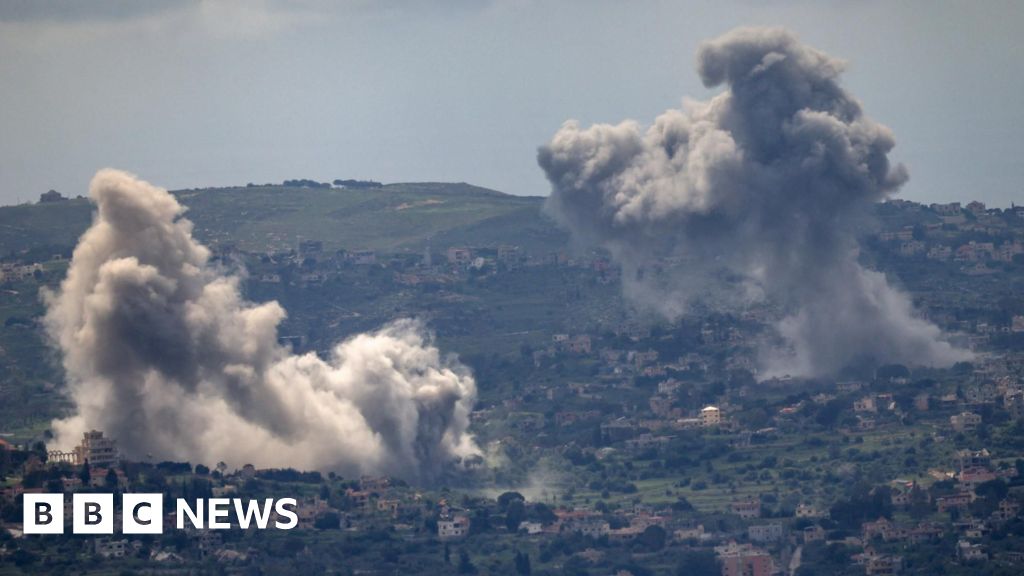

Saudi Arabia’s latest security breach has halted operations at two of its most productive oil fields, erasing roughly 600,000 barrels of output per day and casting adverse ripples across the Gulf’s fiscal machinery. The deliberate sabotage, attributed to extremist elements, immobilised the Abqaiq and Kuwaikh complexes—assets that together underpin the kingdom’s primary revenue stream. In an economy still transitioning under Vision 2030, such a 4‑percent plunge in daily production jeopardises projected FDI inflows and could delay the cost‑effective discovery of new reserves, thereby dampening sovereign credit ratings and necessitating a recalibration of the national balance sheet.
For Gulf partners, the disruption signals an urgent reassessment of supply‑chain resilience. Major international refiners and LNG consumers, many of whom rely on Saudi throughput for their upstream requirements, will face logistical bottlenecks that may compel rental of alternative capacity, inflating operational costs and compressing profit margins. From a regional perspective, governments across the MENA basin may need to accelerate investment in cybersecurity, advanced monitoring systems, and cross‑border intelligence sharing to safeguard critical hydrocarbons infrastructure—a policy shift that could divert sovereign capital toward strategic defense and technology stacks rather than conventional drilling.
Venture capitalists and tech investors are observing the bleeding required for industrial safeguards in a market that has historically been reluctant to adopt digital twins, anomaly‑detection algorithms, or blockchain‑based logistics tracking. The recent blackout exposes a bridge premium, potentially encouraging private‑sector financing of “smart‑oil” solutions, especially in transit zones where sovereign controls intersect with emerging fintech ecosystems. This shift could open new avenues for regional scalability, inviting joint ventures that marry Saudi’s hydrocarbons output with Morocco’s burgeoning renewable infrastructure or Egypt’s growing digital ecosystem.
In sum, the outage at Abqaiq and Kuwaikh does more than choke a refinery’s throughput; it forces the Gulf to confront the fragility of its core asset base. The ensuing recalibration of sovereign capital allocations, the restructuring of venture finance pipelines, and the acceleration of infrastructural modernization will dictate the trajectory of Middle Eastern economic resilience in the 2030s and beyond.