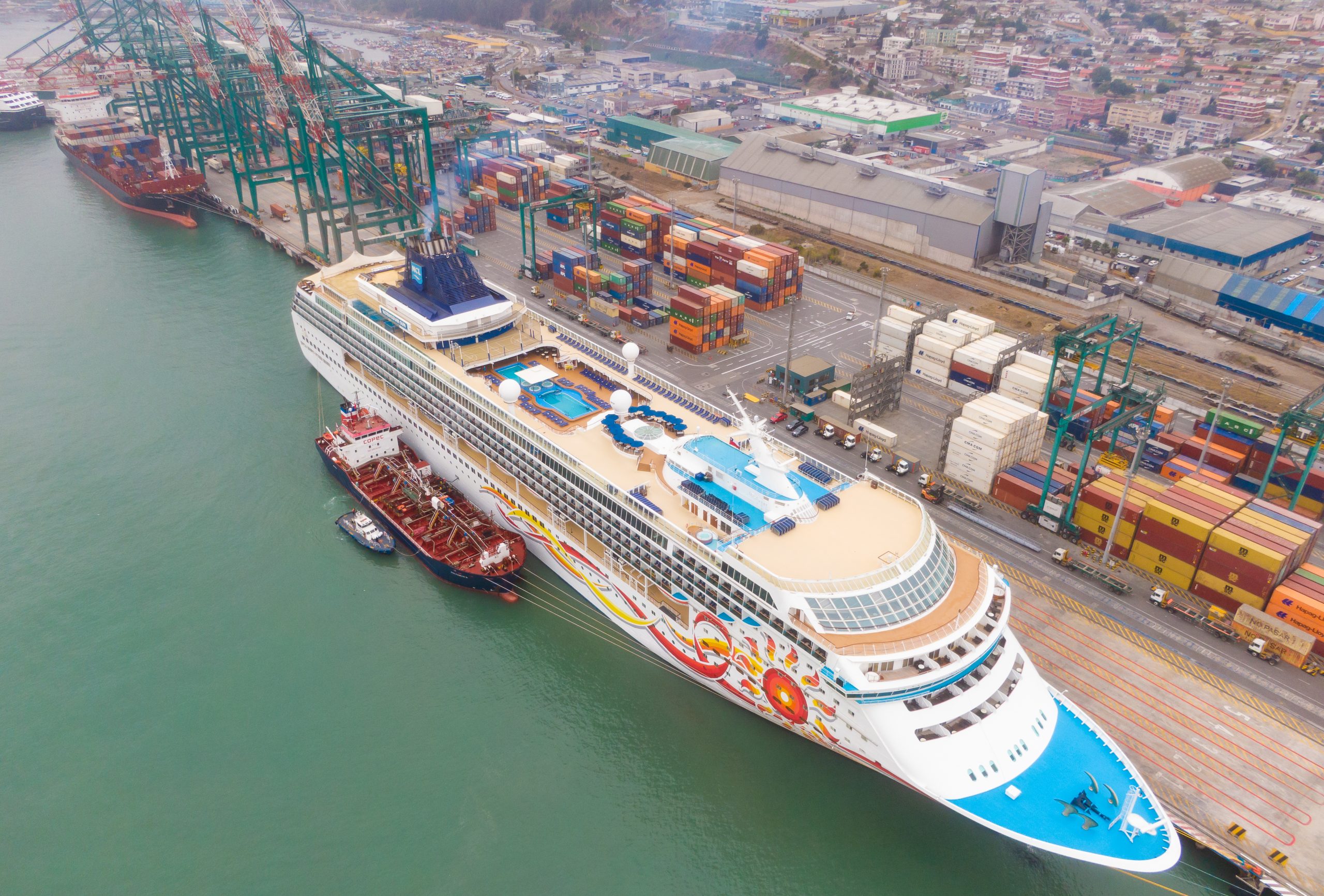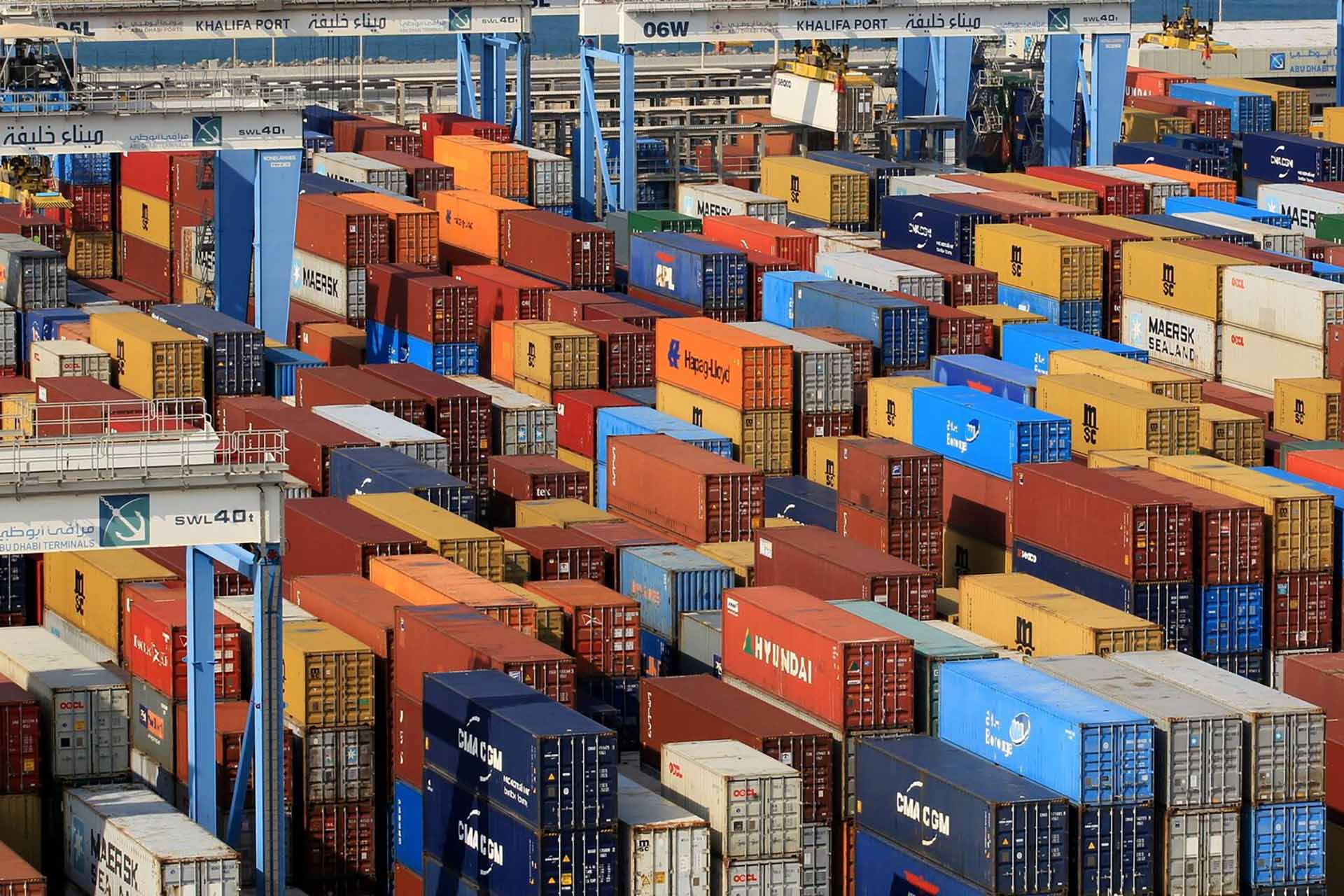

Mubadala’s strategic deepening of its logistics infrastructure portfolio underscores the Gulf’s pivot toward securing long-term trade corridors and domesticizing critical supply chain assets. The $300 million co-investment in Textainer’s acquisition of Seaco, combining two major container lessors to manage 8 million units, exemplifies sovereign capital’s role in consolidating global trade networks while reducing exposure to geopolitical volatility. This move aligns with Mubadala’s broader bets in transport — including its $600 million stake in US trailer lessor TEN — as oil-rich Gulf economies diversify away from hydrocarbons by anchoring sovereignty in infrastructure. By controlling leasing rights and depot networks across Asia, Mubadala positions itself to extract stable, utilization-linked returns in a sector where global shipping demand correlates tightly with Gross Merchandise Value (GMV) growth in e-commerce and manufacturing.
e& capital’s $10 million backing of MagicCube highlights the UAE’s aggressive play in fintech and quantum-resilient security amid escalating digital fragmentation. The investment in MagicCube — a platform securing AI-driven payments and identities without hardware — aligns with Abu Dhabi’s push to emerge as a regional hub for “sovereign-grade” digital trust infrastructure. This follows e& capital’s prior bets in intelligent transportation (Derq), proptech (Nawy), and blockchain (Fuze), reflecting a deliberate portfolio strategy to corner future-proof technologies underpinning Africa-Asia trade flows. By partnering with Visa and Sony Innovation Fund, the UAE signalizes its intent to export secure digital ecosystems rather than mere financial services, leveraging state-backed liquidity to scale niche technologies that address systemic risks like quantum computing threats.
Capital Group’s establishment of its first Middle East office in Dubai’s ADGM — displacing London and New York geographies — marks a seismic shift in institutional investment toward the region. With $3.3 trillion in assets under management, the firm’s presence in the UAE’s financial free zone underscores Abu Dhabi’s transformation from oil producer to sovereign wealth nexus, attracting global capital to bypass Western regulatory constraints. This trend is mirrored by Man Group’s plans for a UAE license, leveraging the emirate’s 50-year tax-free status and proximity to Capital Group’s $3.3 trillion portfolio. ADGM’s expansion, paired with enhanced anti-money laundering frameworks, positions the UAE as a bills-of-material gateway to Gulf industrialization initiatives, while reducing dependence on Euro-centric financial plumbing ahead of potential global de-risking.
Dubai’s Dubai Loop project — a 17-km subterranean transit network serviced by Tesla vehicles and delivered by Parsons Corporation — epitomizes the region’s infrastructure ramp-up to capture congestion-era transportation megatrends. As the Blue Line extension progresses toward its 2029 completion, Dubai consolidates its status as a smart mobility lab, with $51 billion total in transport investments since 2024. This public-private partnership model, blending Elon Musk’s tunneling tech with sovereign-backed financing, demonstrates how MENA nations are hedging against climate-driven supply chain disruptions by verticalizing connectivity. These projects, when paired with Mubadala’s container consolidation and e& capital’s fintech plays, outline a coherent state vision: economic security through asset ownership of logistics, data, and mobility infrastructure.