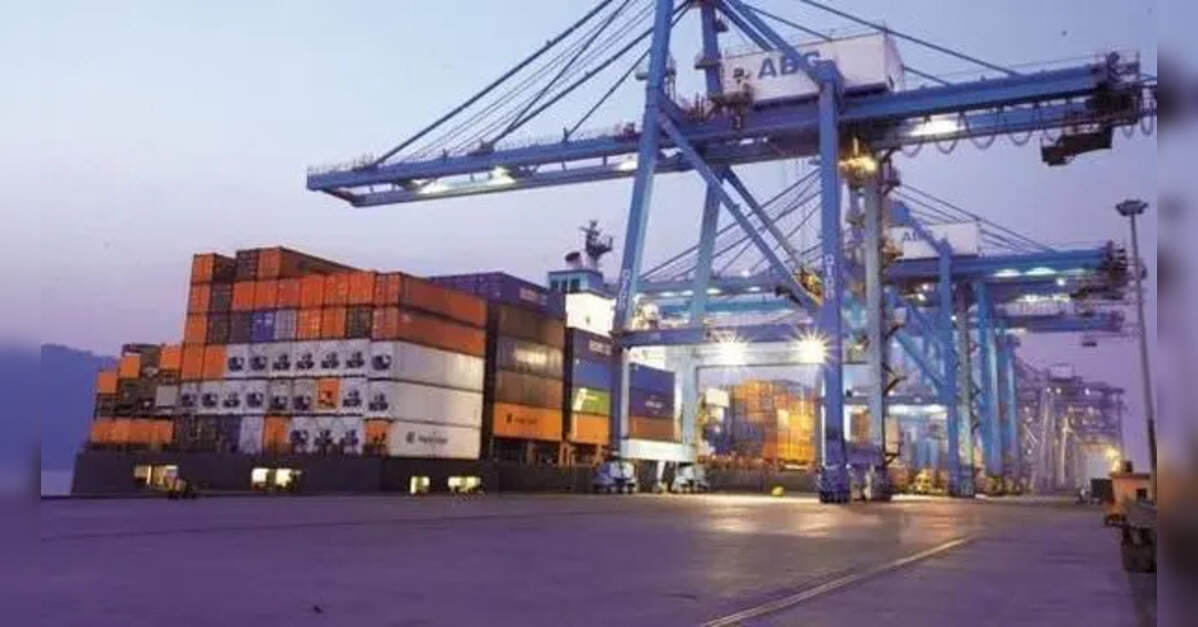

The discussions between the Deendayal Port Authority and DP World underscore a pivotal recalibration of sovereign logistics strategy in the Middle East and North Africa (MENA). The proposed Tuna-Tekra container terminal represents more than an infrastructure upgrade; it is a calculated sovereign investment designed to capture a greater share of the Indian Ocean maritime trade corridor. This development signals a shift toward high-value cargo handling and operational efficiency, directly enhancing the competitive positioning of regional ports against established hubs. The resultant expansion of cargo throughput is expected to stimulate ancillary economic activity, reinforcing the port-led development model favored by sovereign wealth funds.
From a venture capital and private equity perspective, the emphasis on attracting greater private sector participation aligns with a broader regional trend of monetizing strategic assets. The projected improvements in hinterland connectivity and supply chain operations reduce logistical friction, de-risking investments for international trade corporations. Furthermore, the exploration of advanced rail-based cargo solutions, such as the Magrail Pilot Project, indicates a sophisticated understanding of integrated logistics. This hybrid approach—marrying maritime capacity with rail efficiency—creates a compelling infrastructure thesis for institutional investors seeking long-term, yield-generating assets within the MENA region.
The implications for regional infrastructure are profound, establishing a new benchmark for strategic port collaboration in the Global South. By leveraging global expertise and technology, as demonstrated in the Kandla engagement, MENA nations are actively shaping their trade destiny rather than merely hosting transit corridors. This proactive stance strengthens sovereign capital reserves and fosters a more resilient trade ecosystem. The focus on reducing turnaround times and logistics costs directly addresses structural inefficiencies, ensuring that infrastructure development is not merely additive but transformative, ultimately securing the region’s position as a critical node in the future of global commerce.